" transform="translate(1.334 2)" width="13.333314731408331px"/><path d="M 0 2.667 L 0 0" fill="transparent" height="2.666640000000001px" id="nlKB6m7XS" stroke-dasharray="" stroke-linecap="round" stroke-linejoin="round" stroke-width="1" stroke="rgb(255, 255, 255)" transform="translate(8 8.667)" width="1px"/><path d="M 0.167 0.167 L 0.25 0.167 M 0.333 0.167 C 0.333 0.075 0.259 0 0.167 0 C 0.075 0 0 0.075 0 0.167 C 0 0.259 0.075 0.333 0.167 0.333 C 0.259 0.333 0.333 0.259 0.333 0.167 Z" fill="transparent" height="1px" id="G0jsljuaP" stroke-dasharray="" stroke-linecap="round" stroke-linejoin="round" stroke-width="1" stroke="rgb(255, 255, 255)" transform="translate(7.834 6)" width="1px"/></svg>)
" transform="translate(4 4)" width="8px"/></svg>)
Icelandic Wedding Traditions to Inspire Your Celebration
At first glance, a modern wedding in Iceland appears like tying the knot anywhere else in the world. (Save for the truly epic backdrops, of course.) Look a little closer, though, and you may spot unique quirks some couples choose to weave into their celebration. Many of these are inspired by centuries-old Norse customs, offering a sense of heritage alongside modern Icelandic culture.
For couples planning a destination wedding here, adding Icelandic wedding traditions is a beautiful way to honor your location. From symbolic handfasting rituals to the mead toast, these customs are all about embracing history, nature, and enduring commitment.
What Makes Icelandic Wedding Traditions Unique?
While most weddings in Iceland don’t typically feature Viking-inspired rituals, couples sometimes choose to incorporate elements drawn from Norse heritage. More common among destination or themed weddings, these are often modern reinterpretations that add a sense of history and symbolism. For couples who opt to include them, these Icelandic wedding traditions can create a ceremony with unique depth and atmosphere. And ultimately, what truly sets a wedding here apart is the setting: the Icelandic landscape, unmatched in its wild beauty.
The History and Culture Behind Wedding Traditions in Iceland
The earliest roots of marriage customs in Iceland reach back to the Viking Age and the world of the Norse sagas. In that era, marriage was less about romance. It was more about forming alliances between families, often involving carefully negotiated agreements and dowries.
With Iceland’s conversion to Christianity in the year 1000, and later the spread of Lutheranism, church weddings became the cultural norm. Only a few older folk traditions survived into modern times, and even those are seldom used by Icelanders today. One notable exception, however, is found in Ásatrú weddings.
Modern Ásatrú, the revival of Norse paganism
Ásatrú is the contemporary, reconstructed form of Norse paganism and is a legally recognized religion in Iceland. Couples can choose to be married by a goði (a clergy member), often in an outdoor ceremony that emphasizes nature, symbolism, and references to the old myths.
Ásatrú rituals are modern interpretations rather than a direct continuation of Viking wedding practices. These Icelandic wedding traditions offer one of the closest experiences to a historically inspired ceremony. These events frequently inspire many of the Norse wedding traditions that destination couples incorporate into their own weddings today.
Pre-Wedding Icelandic Traditions Couples Still Use Today
As with other cultures, the celebrations begin way before the wedding day. Before the vows are exchanged, several charming customs set the tone for an Icelandic union. These Icelandic wedding traditions range from the solemn to the celebratory, offering couples a way to honor the past while preparing for their future.
Bachelor & Bachelorette Celebrations (Steggjapartý & Gæsapartý): Like many cultures, Iceland celebrates the couple before the wedding day with bachelor and bachelorette parties. Traditionally, these were held separately; steggjapartý for the groom and gæsapartý for the bride. Today, some modern couples choose to celebrate together with friends in a combined gathering, especially for destination weddings.
Symbolic Gifts and Heirlooms: Some couples draw inspiration from Norse symbolism when exchanging meaningful gifts before the ceremony. In Viking lore, weapons often represented protection and legacy. Modern couples sometimes reinterpret this by exchanging family heirlooms, engraved jewelry, or keepsakes that symbolize the joining of two families.
Traditional Attire & Dark Gowns: While most Icelandic brides today wear white, some draw inspiration from Iceland’s traditional dress (Þjóðbúningur), which often featured darker fabrics. Historic styles such as the Faldbúningur or the simpler Peysuföt were worn for formal occasions rather than weddings specifically. Inspired by these darker tones, a few modern brides choose black or deep-colored wedding gowns.
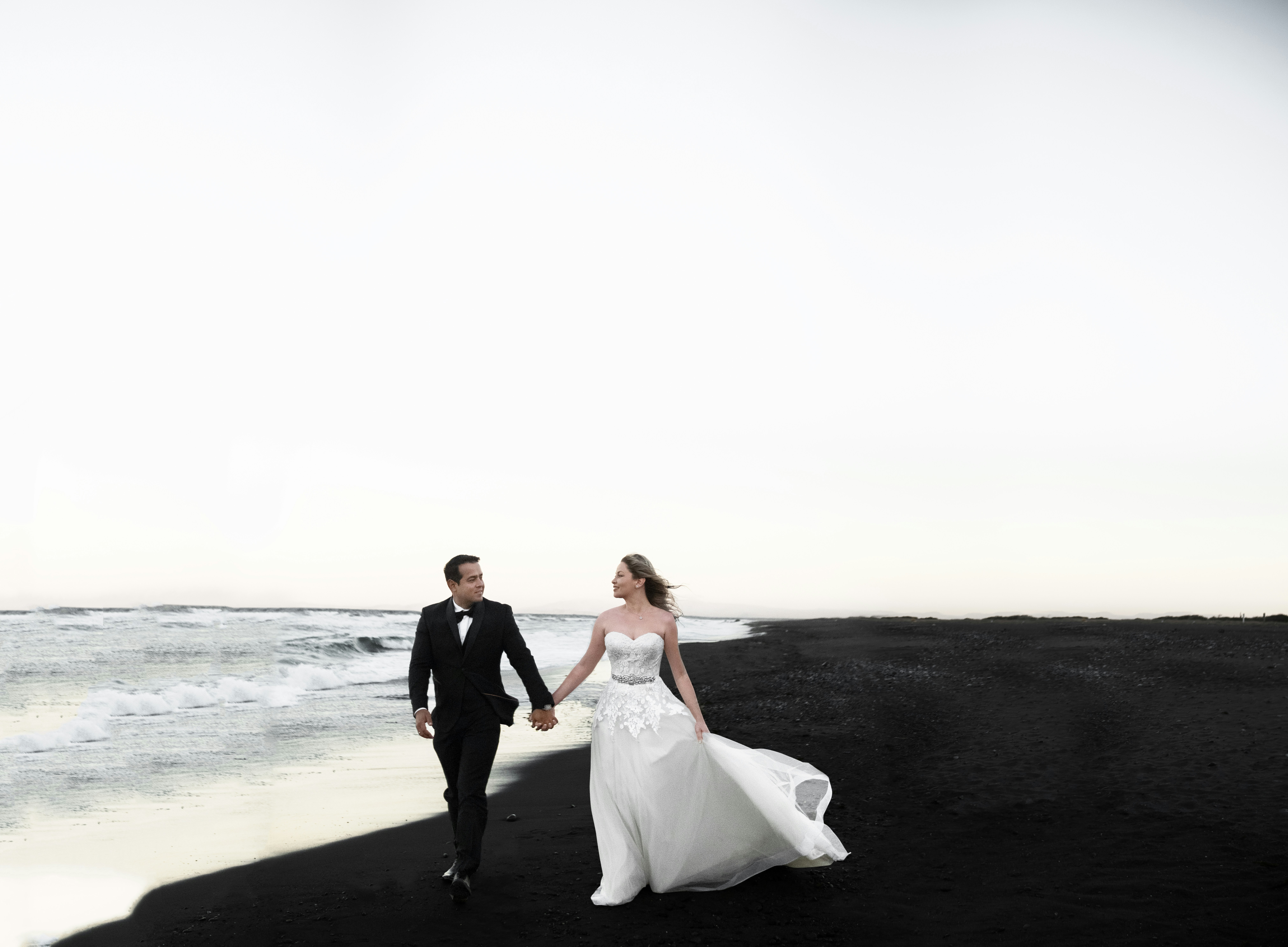
Traditional Icelandic Wedding Ceremony Customs
Time to say “I do.” Whether you’re planning a large celebration or an intimate elopement, these Icelandic wedding traditions bring a sense of Norse-inspired symbolism to the modern ceremony.
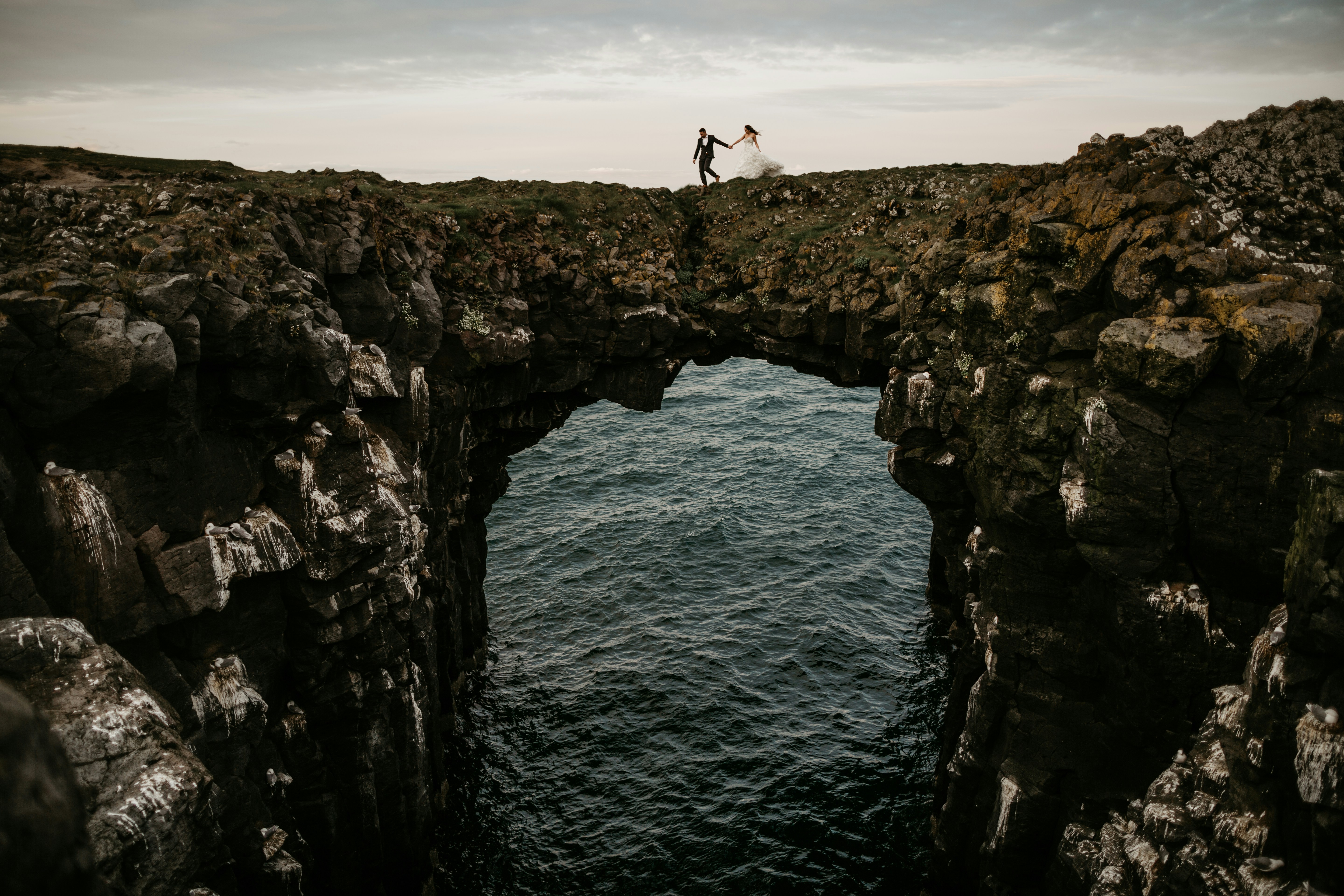
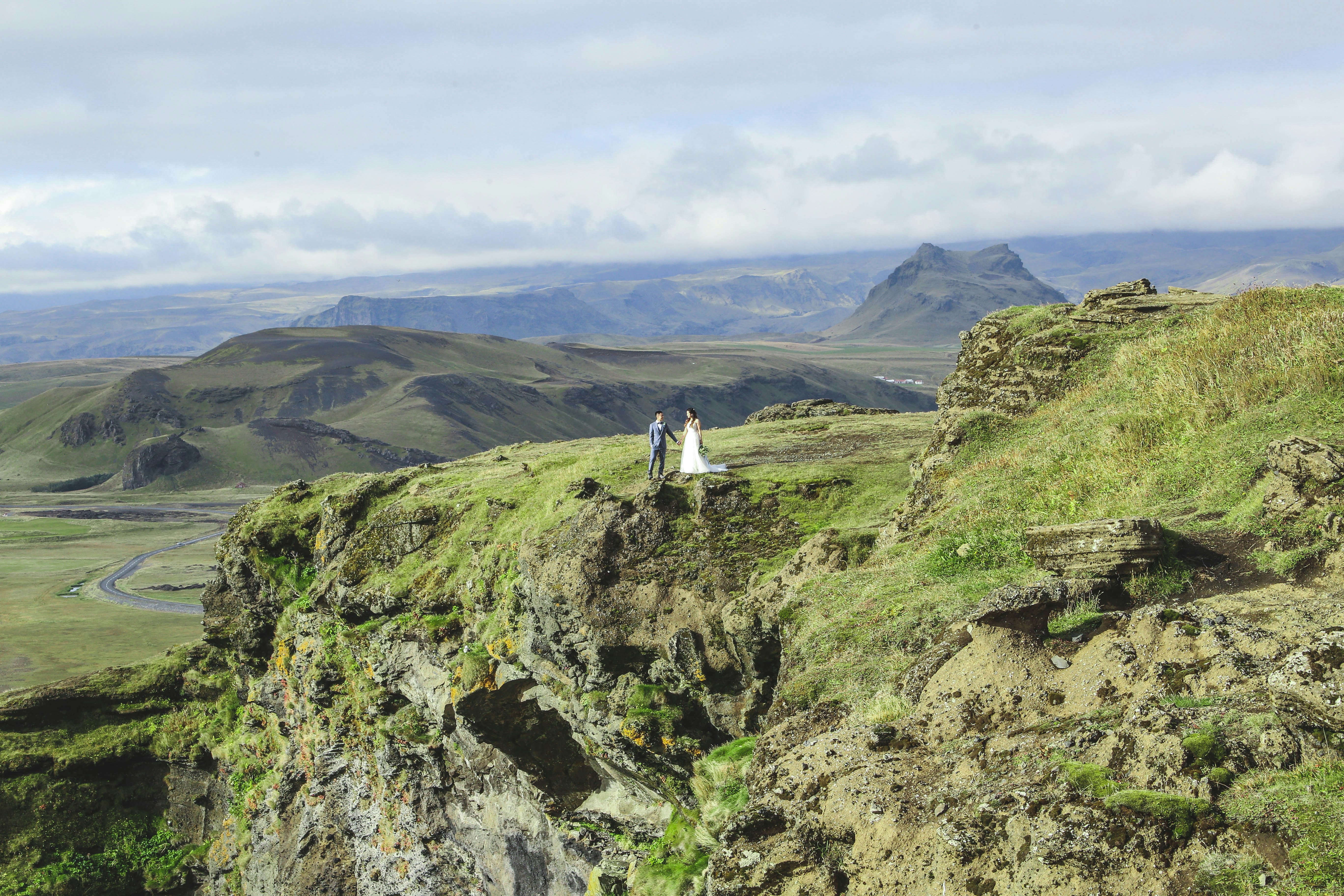
Tying the Knot Outdoors: While church weddings remain common among locals, Iceland is world-renowned for outdoor ceremonies, especially for destination couples. For those choosing an Ásatrú ceremony, the outdoors is essential. These rituals are typically held in nature to honor the gods, the elements, and the natural world. From towering waterfalls to black-sand beaches near Black Sand Hotel, an Iceland wedding ceremony outdoors is unmatched.
A Choice of Officiants: To make a marriage legal in Iceland, couples may be wed in a civil ceremony by a Sýslumaður (District Commissioner). Members of the Ásatrú association can also perform legally binding ceremonies led by a goði.
The Walk to the Altar: While marriage in early Icelandic society was rooted in family agreements, modern Icelandic couples often choose to walk into the ceremony together. This reflects Iceland’s strong cultural emphasis on equality, symbolizing a partnership between two independent individuals.
Handfasting: The officiant binds the couple's joined hands with a decorative cord or ribbon while they exchange vows. This is one of the most popular Icelandic wedding traditions for destination couples. It draws inspiration from broader Norse and Germanic symbolism and represents the binding of two lives.
The Bridal Crown: Historically, some Icelandic brides wore a silver-gilt crown known as a brúðarkóróna. Today, this tradition is often reimagined with floral crowns or delicate silver headpieces inspired by Icelandic folk costume.
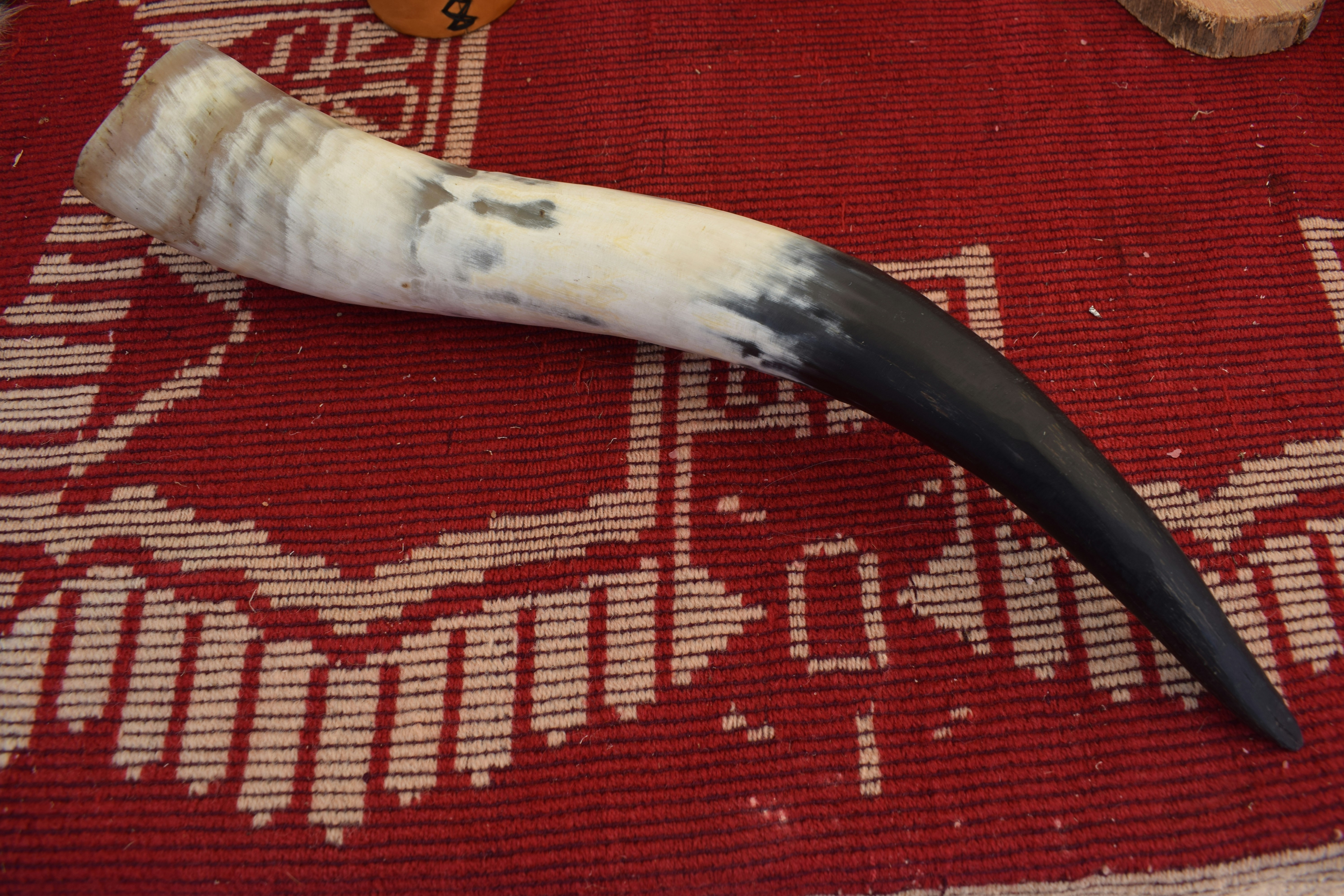
Drinking from the Horn: Another symbolic element sometimes included is a shared drink from a ceremonial horn filled with mead or ale. While inspired by Norse culture, this modern ritual represents unity and commitment rather than a historical wedding practice.
Icelandic Post-Wedding Feasts, Music, and Reception Traditions
Once the rings are exchanged and the vows are spoken, the atmosphere shifts to celebration. An Iceland wedding reception is known for warmth and liveliness, focusing on shared meals, meaningful speeches, and joyful togetherness.
The Feast (Brúðkaupsveisla): The wedding feast is a centerpiece of Icelandic wedding traditions. While modern menus feature globally inspired cuisine, traditional fare usually includes Icelandic lamb, fresh seafood like salmon, and seasonal specialties. The emphasis is always on fresh, local ingredients.
The Legendary Speeches (Ræður): Speeches play a central role at Icelandic weddings and are often numerous, heartfelt, and memorable, sometimes stretching late into the evening. Guests should be prepared for laughter, emotion, and storytelling.
Mead Toast (Bragarfull): Some couples choose to include a symbolic mead toast inspired by Norse tradition, occasionally using a ceremonial drinking horn. This ritual appears mainly in Ásatrú ceremonies or Viking-inspired celebrations. Today, Bragarfull serves as a symbolic gesture to honor heritage and wish the couple happiness (hamingja).
Kransakaka: A towering cake made of stacked almond rings and decorated with icing, kransakaka is a staple at Icelandic weddings. Its shape is often said to symbolize prosperity and unity.
Laufabrauð: Literally “leaf bread,” laufabrauð is a thin, fried flatbread intricately cut into decorative patterns. While most closely associated with Christmas, it sometimes appears at weddings as a display of family tradition, craftsmanship, and hospitality.
Need more help planning? Check out this Iceland wedding catering ideas.
How to Incorporate Icelandic Wedding Traditions Into Your Own Ceremony
For destination couples, adding a few Icelandic wedding traditions can make the day even more meaningful. You don't need a full Viking ceremony; often, simplicity has the greatest impact. Many couples choose Norse-inspired symbolic details that are easy to integrate, such as handfasting or a shared mead toast. Pairing these with modern customs and serving a kransakaka offers a thoughtful way to honor Iceland’s culture without being overwhelming.
Planning an Iceland Wedding: Practical Tips for Travelers
Planning a wedding abroad requires careful preparation, especially for destination celebrations. Here are some essential tips to help your Iceland destination wedding go smoothly:
Handle the Paperwork Early: Begin gathering and submitting legal documents (such as certificates of marital status and birth certificates) at least three months in advance. Getting married in Iceland requires specific original documents from foreign couples before a marriage can be legally registered. Requirements may vary by nationality.
Hire a Local Planner: While not strictly required, working with a local wedding planner is highly recommended. Local professionals understand Iceland’s unpredictable weather, permit requirements, logistics, and even Icelandic wedding traditions.
Be Ready for Weather: South Iceland’s weather can change quickly in any season. Always plan a backup indoor or sheltered Iceland wedding venue for outdoor ceremonies, even in summer.
Book Vendors Early: Iceland has a relatively small pool of experienced wedding professionals, particularly planners, officiants, and photographers familiar with outdoor locations. For peak wedding season, it’s wise to book key vendors 9 to 18 months in advance.
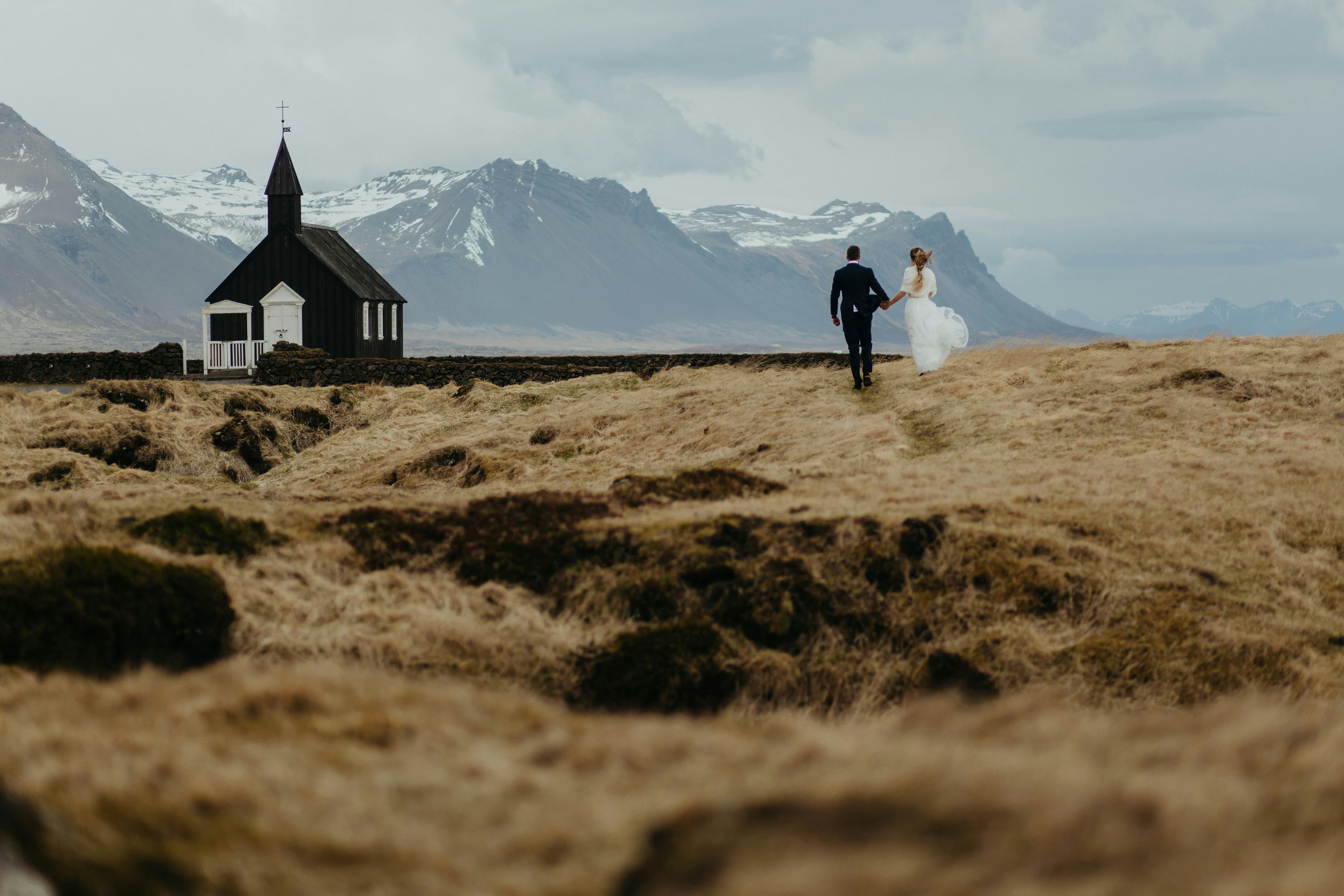
Best Places to Stay Near Iceland’s South Coast for Wedding Celebrations
Choosing the right home base is an important part of planning a wedding in Iceland, especially along the South Coast. The Black Sand Hotel is well-positioned for couples dreaming of wild Icelandic scenery paired with modern comfort.
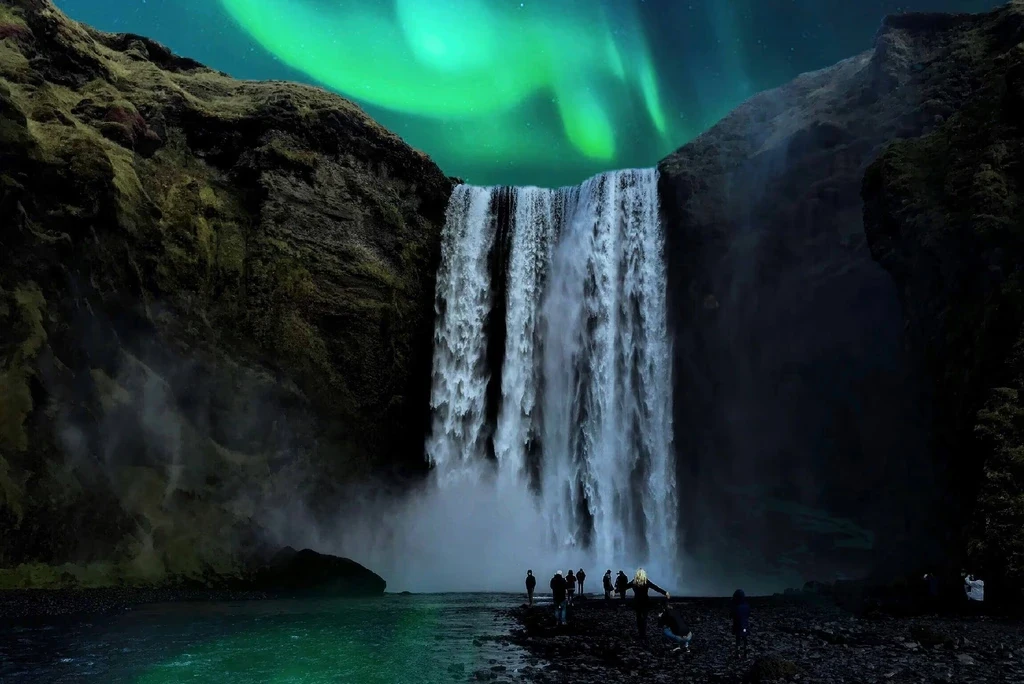
One of this hotel’s main advantages is its convenient location near many of the South Iceland's top attractions. It’s a scenic drive to landmarks like Reynisfjara’s black sand beach and Skógafoss waterfall, both popular for Iceland wedding photography and ceremonies. After a day spent exploring, guests can return to sleek Nordic design, elegant rooms, and the calm of the surrounding wilderness. With in-house dining available, the Black Sand Hotel may also be a fitting setting for an intimate brúðkaupsveisla (wedding feast).
FAQs About Icelandic Wedding Traditions
What are Icelandic weddings like?
Weddings in Iceland range from traditional church or civil ceremonies to adventurous destination celebrations. Some couples incorporate Icelandic wedding traditions or Norse-inspired elements for added meaning.
What is a symbolic wedding in Iceland?
A symbolic wedding is a non-legally binding ceremony. Often chosen by travelers, it allows couples to exchange vows in Iceland without completing local legal paperwork.
What to wear to an Icelandic wedding?
Attire should balance style and practicality. Warm layers, weather-appropriate outerwear, and sturdy footwear are recommended, especially for outdoor celebrations. For a complete list, browse this packing list for an Iceland wedding.
What are the rules to get married in Iceland?
To be legally married, couples must submit required original documents (such as birth certificates and Certificates of Marital Status) to the District Commissioner. These are typically submitted several weeks in advance.
Is handfasting a common tradition in Iceland?
Handfasting is not a traditional Icelandic wedding custom widely practiced by locals. However, it is a popular Norse-inspired ritual that many destination couples and Ásatrú ceremonies choose to include symbolically.
Can foreigners include Icelandic wedding traditions in their ceremony?
Yes, foreigners can include Icelandic wedding traditions in both legal and symbolic ceremonies. Many destination couples incorporate Norse-inspired rituals or cultural elements alongside modern wedding customs.
Is a Viking wedding historically accurate in Iceland?
Not exactly. What’s often called a “Viking wedding” today is a modern, symbolic interpretation inspired by Norse history rather than a direct continuation of historical Icelandic practices.
Do Icelanders still follow traditional wedding customs today?
Most modern Icelandic weddings follow contemporary civil or church traditions. Older or Norse-inspired customs are typically included by choice rather than as standard practice.
Can you have a symbolic wedding ceremony in Iceland without legal paperwork?
Yes, symbolic ceremonies are popular in Iceland and don’t require legal documentation. This option allows couples to focus on personal vows, location, and cultural inspiration.
blogs