" transform="translate(1.334 2)" width="13.333314731408331px"/><path d="M 0 2.667 L 0 0" fill="transparent" height="2.666640000000001px" id="nlKB6m7XS" stroke-dasharray="" stroke-linecap="round" stroke-linejoin="round" stroke-width="1" stroke="rgb(255, 255, 255)" transform="translate(8 8.667)" width="1px"/><path d="M 0.167 0.167 L 0.25 0.167 M 0.333 0.167 C 0.333 0.075 0.259 0 0.167 0 C 0.075 0 0 0.075 0 0.167 C 0 0.259 0.075 0.333 0.167 0.333 C 0.259 0.333 0.333 0.259 0.333 0.167 Z" fill="transparent" height="1px" id="G0jsljuaP" stroke-dasharray="" stroke-linecap="round" stroke-linejoin="round" stroke-width="1" stroke="rgb(255, 255, 255)" transform="translate(7.834 6)" width="1px"/></svg>)
" transform="translate(4 4)" width="8px"/></svg>)
What Weather to Expect on the South Coast Iceland
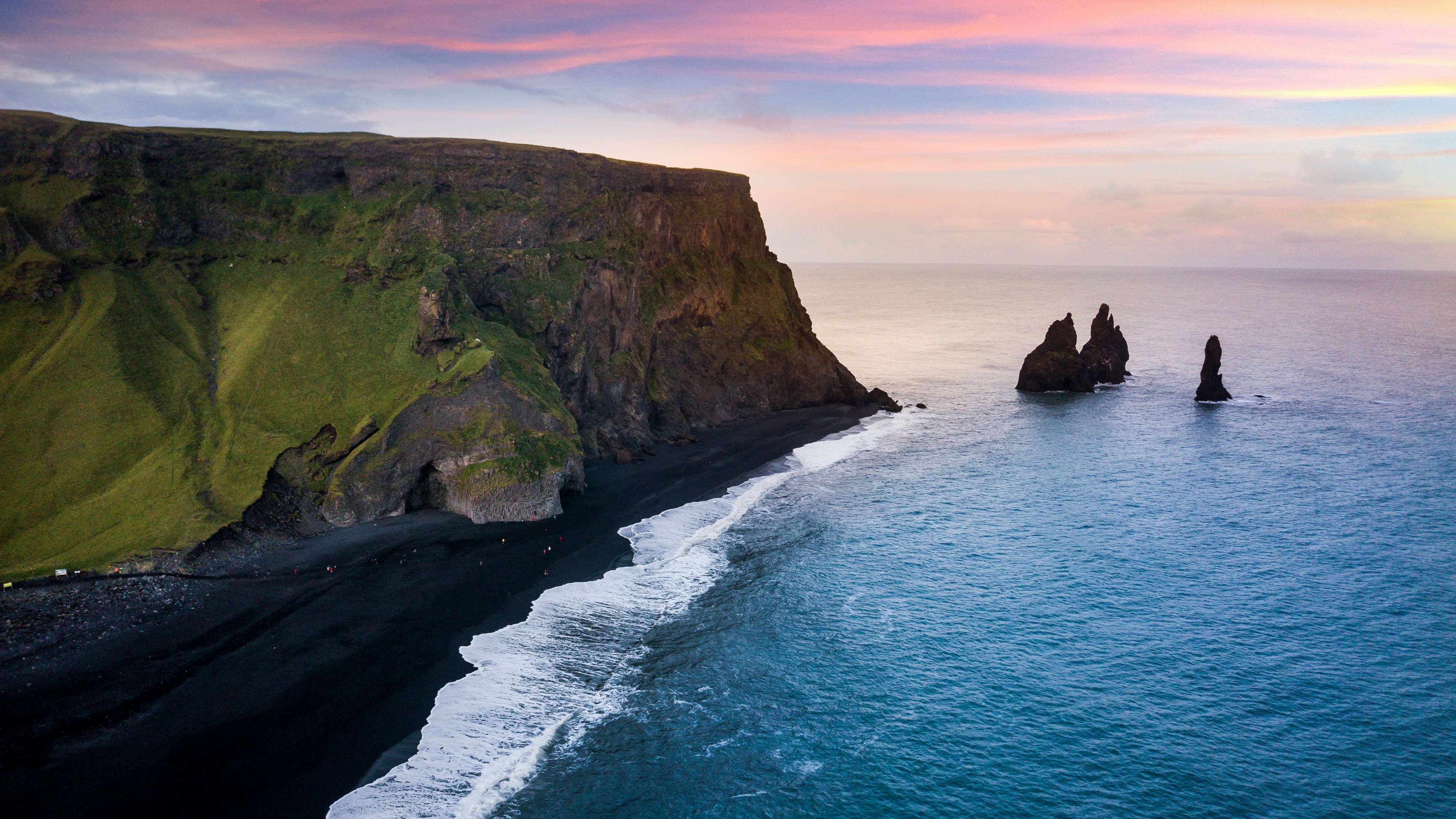
Planning a well-deserved escape to Iceland? The South Coast is a spectacular place, famous for its black sand beaches, colossal glaciers, and magnificent waterfalls. When traveling, however, it’s important to keep a critical factor in mind: South Iceland weather. The region’s climate is notoriously changeable and unpredictable. Locals often say you can experience all four seasons in a single afternoon.
As a traveler, preparing for the volatile weather in the south is key. After all, the weather will dictate your itinerary, the comfort of sightseeing, and most importantly, your safety. This guide provides a practical peek at what to expect from South Iceland's climate. From the intense winds to dramatic daylight shifts, here’s what to know for your upcoming adventure.
Climate and Temperature in South Iceland
As previously mentioned, the defining characteristic of South Iceland's weather is its unpredictable nature. This is a result of the clash between the warm, moderating currents from the Gulf Stream and cold, dry Arctic air masses. As such, South Iceland is home to milder winter temperatures than most people would expect from a country just below the Arctic Circle. Coastal areas rarely even see prolonged deep freezes.
However, this moderate climate comes with a trade-off: constant precipitation and rapid changes. Temperatures in the lowlands typically hover around freezing in winter (0°C to 3°C) and peak modestly in summer (10°C to 15°C). The climate in the south is windy year-round and often damp. Thus, expect the “feels like” temperature to be often lower than the thermometer reads.
The power of the wind
The wind deserves its own special warning when preparing for South Iceland weather. The open coastline and powerful glacial outflow winds can produce gusts that reach extreme or even dangerous levels. In fact, high winds can literally tear car doors off their hinges if they’re opened carelessly. Strong winds can also increase wind chill, leading to a higher risk of hypothermia even when temperatures appear mild.
Before setting out on an adventure, it’s important to monitor official wind warnings on Icelandic weather and road websites. Check vedur.is for Iceland weather forecast and road.is for road conditions.
South Iceland Weather in Summer (June–August)
Temperature: 10°C to 15°C (50°F to 59°F)
Daylight Hours: 18–21 hours
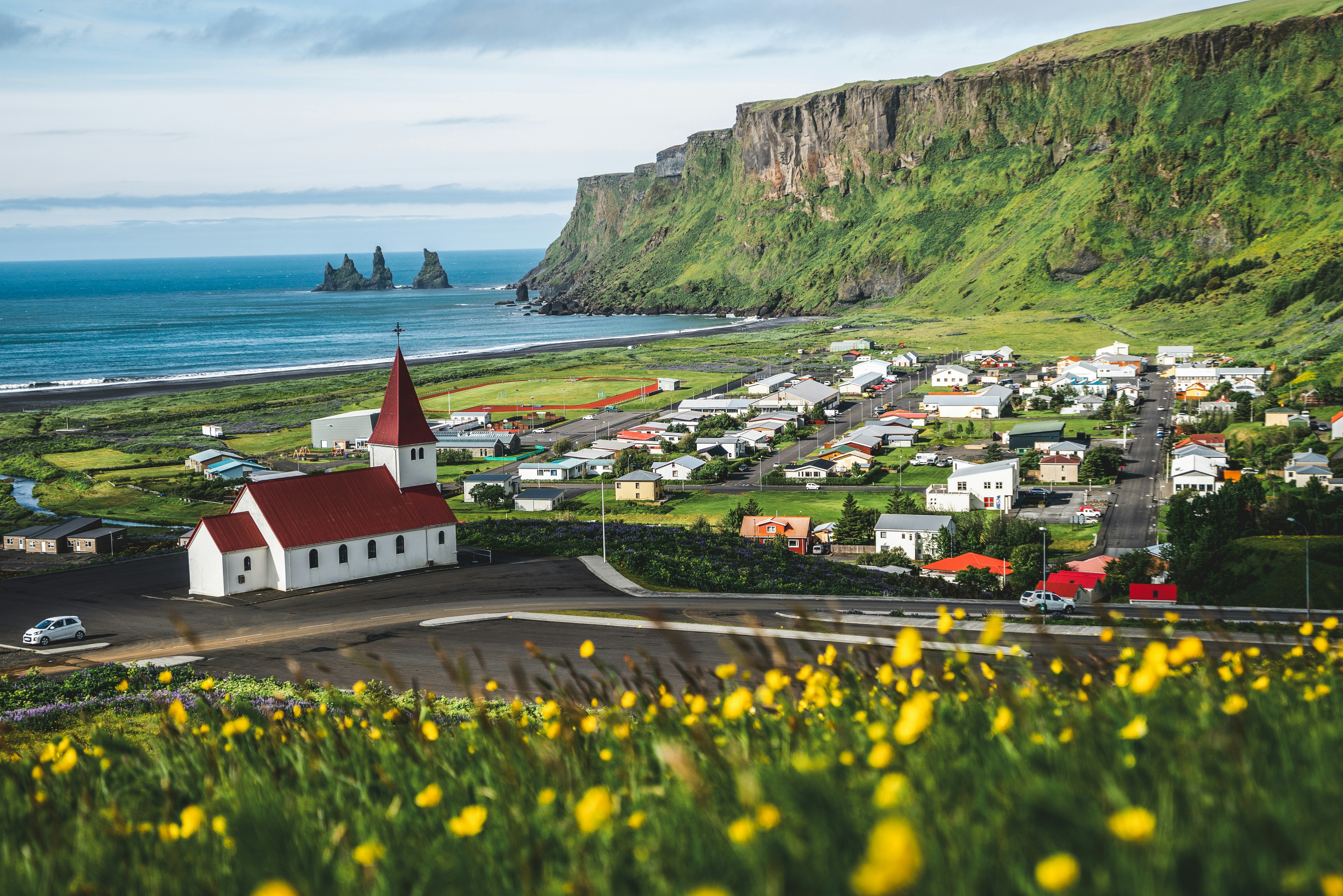
Summer is the season of Midnight Sun, making it the most popular time to visit Iceland. Temperatures are at their warmest, although persistent winds can often make it feel cooler. Rain showers are quite common, with sudden shifts from sunshine to drizzle.
The true allure of summer is the abundance of light. Around the solstice, South Iceland enjoys up to 21 hours of effective daylight, allowing for extended sightseeing well into the night. This is generally the calmest season in South Iceland. Popular activities include extensive road trips (as many highland roads open), whale watching, and glacier hikes. It’s also a wonderful time to explore the Golden Circle and South Coast without feeling rushed.
South Iceland Weather in Autumn (September–October)
Temperature: 5°C to 10°C (41°F to 50°F)
Daylight Hours: 9–14 hours
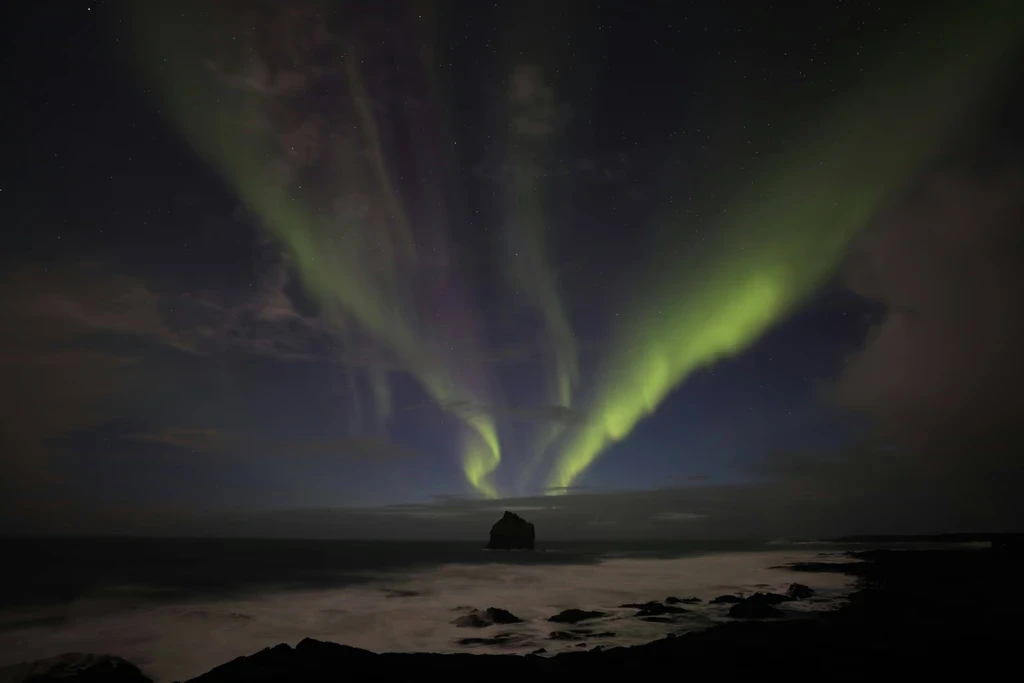
Autumn is a transitional period defined by falling temperatures and the dramatic return of darkness. The weather in South Iceland during this period often comes with increased precipitation; September is frequently among the wettest months of the year. While there is less time for sightseeing each day, the rapidly lengthening nights bring a major reward: the aurora borealis.
This shoulder season offers the perfect balance: fewer crowds, beautiful autumnal colors, and the exciting possibility of Northern Lights sightings. Glacier hiking remains an excellent option. Be prepared for strong, persistent winds and regular rainfall.
South Iceland Weather in Winter (November–March)
Temperature: –2°C to 3°C (28°F to 37°F)
Daylight Hours: 4–8 hours
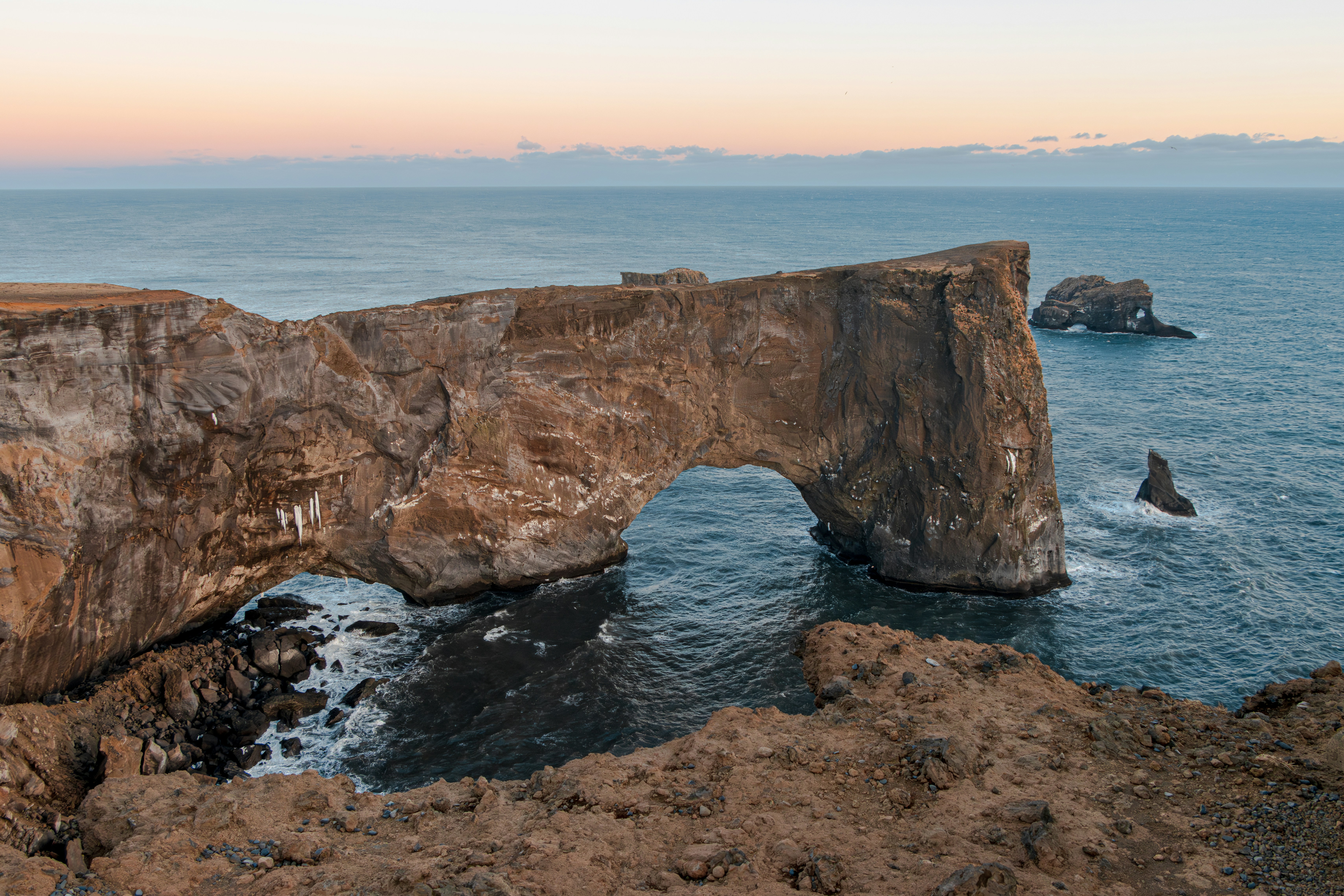
Winter presents Iceland’s most dramatic challenges and rewards. Temperatures are generally cold and hover near freezing. The daylight hours are at their minimum, dropping to as little as four to five hours around the winter solstice. This limited daylight creates extended twilight periods, often accompanied by a soft, golden glow that can linger for hours.
Crucially, this is when the weather in South Iceland is at its fiercest. Storms are more frequent, bringing heavy snowfall, sleet, and strong winds that drastically reduce visibility. Road closures are common, and conditions can change from manageable to hazardous within minutes. Travelers should check road conditions frequently and always prioritize safety over schedule.
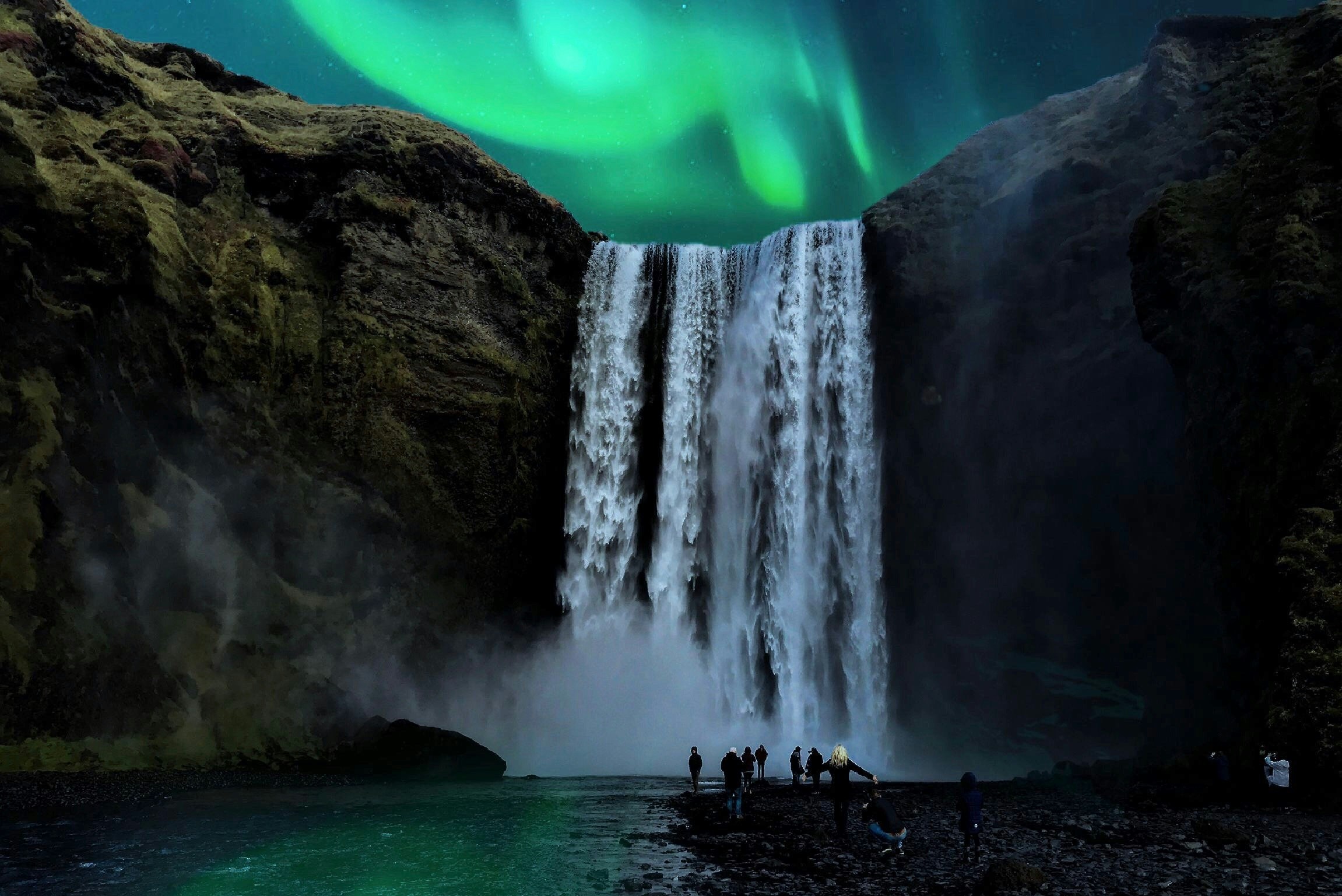
Winter offers uniquely seasonal experiences, including guided ice cave exploration and Super Jeep excursions into snow-covered landscapes. More importantly to tourists, these months are the best time to visit South Iceland for the Northern Lights. To maximize the opportunity, choose a base like Black Sand Hotel in a rural location perfectly positioned for aurora hunts.
South Iceland Weather in Spring (April–May)
Temperature: 0°C to 10°C (32°F to 50°F)
Daylight Hours: 13–18 hours
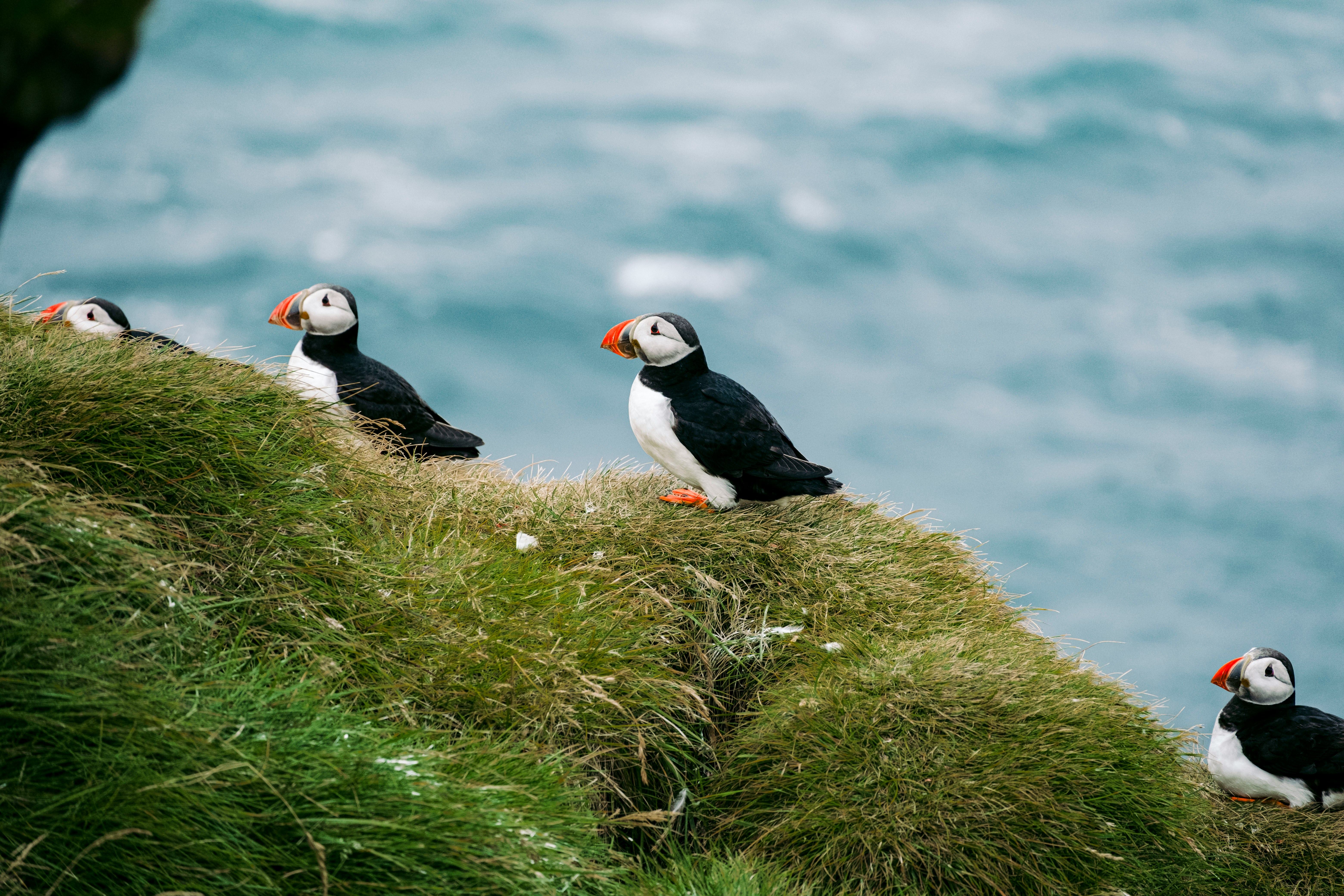
Spring in South Iceland brings a season of rebirth and change. Temperatures begin a steady climb, with daytime highs increasingly staying above freezing. The landscape shakes off the snow, and the days lengthen rapidly. For wildlife lovers, this season marks the exciting return of migratory puffins to the coastal cliffs.
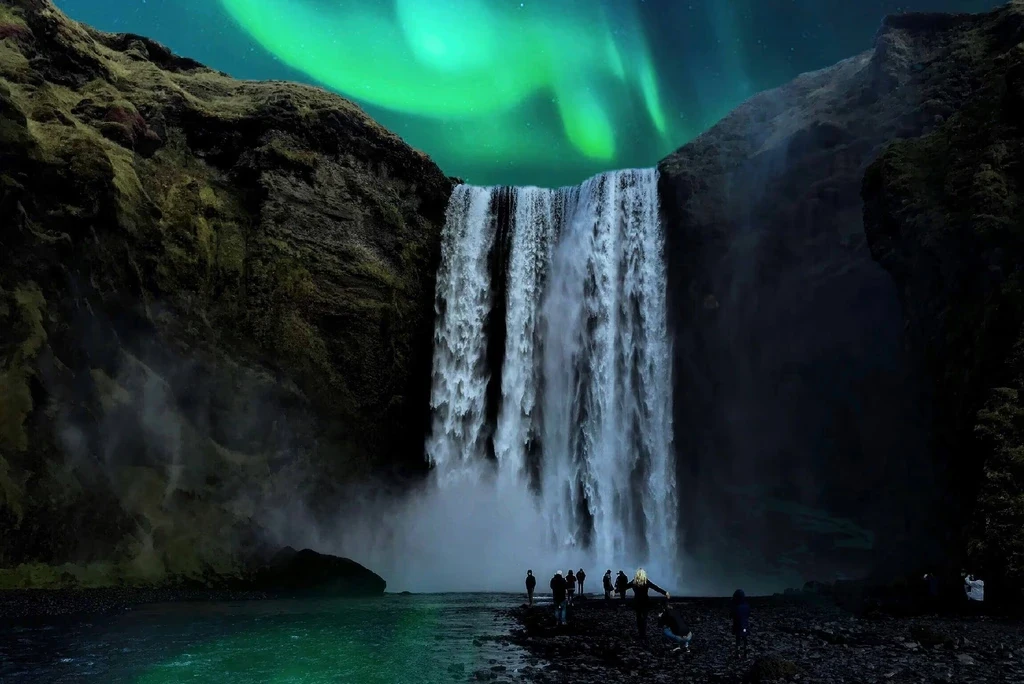
While snow and strong winds are still possible (particularly in April), spring generally offers fewer crowds and much longer daylight hours. As the intensity of winter weather in South Iceland begins to subside, activities such as whale watching resume. Waterfalls are especially powerful at this time of year, fueled by melting snow and ice.
Know Before You Go: Traveling to South Iceland
The key to a successful journey is preparation, with the volatile South Iceland weather demanding respect. These actionable tips ensure you can safely navigate the coastal roads and enjoy the region’s many wonders.
Safety, road, and weather tips for South Iceland
Respect Coastal Waves: Never turn your back on the ocean, especially at black sand beaches like Reynisfjara. Sneaker waves are powerful, unpredictable, and deadly. Stay well beyond the wet sand line.
Check Forecasts Frequently: Always prioritize the Icelandic Met Office, vedur.is, for reliable weather forecasts and color-coded warnings (Yellow, Orange, Red alerts).
Monitor Road Conditions: Consult road.is before every drive for a real-time map detailing road closures and ice patches.
Use Headlights Always: By law, headlights must be switched on at all times, day or night, regardless of visibility. This is crucial given the often-low light and rapidly changing weather in South Iceland.
Watch Out for High Winds: Be acutely aware of the wind, especially near the coast. Always brace car doors when opening them to prevent damage, and never pull over on the shoulder of the road.
Never Stop on the Road: Only pull over and park in designated viewing areas. Stopping on the main road, even for a quick photo, is extremely dangerous and illegal.
Stay on Marked Paths: Never venture onto glaciers without a professional guide. Do not hike off marked trails, especially near cliffs or geothermal areas, as conditions are unstable.
Packing list: What to wear in South Iceland year-round
The key to packing for the ever-changing South Iceland weather is the three-layer system. It allows you to adapt instantly to changing conditions (sun, rain, wind, or snow).
Base Layer (Moisture-Wicking): Pack Merino wool or synthetic thermal tops and bottoms. Avoid cotton entirely, as it retains moisture and will make you cold.
Mid-Layer (Insulation): Use fleece, down, or a thick wool sweater (like a traditional Lopapeysa) to trap heat. This is your primary source of warmth.
Shell Layer (Protection): A high-quality, fully windproof and waterproof jacket and matching trousers are non-negotiable for protection against coastal winds and rain.
Footwear: Sturdy, waterproof hiking boots with excellent grip are a must for slippery terrain. Consider bringing ice cleats for winter travel.
Accessories: Pack wool socks, a waterproof hat that covers your ears, insulated gloves, and sunglasses.
The Black Sand Hotel as Your Year-Round Sanctuary
From endless summer light to dark winter storms, South Iceland’s ever-changing weather makes a comfortable home base especially important. Located in South Iceland’s Ölfus region, the Black Sand Hotel offers a welcoming retreat from the elements.
Guests can unwind in Scandinavian-style rooms designed for comfort and understated elegance—a warm contrast to the rugged outdoors. Thoughtfully appointed beds and quality linens help ensure a restorative night’s sleep before the next day’s adventures. Rooms offer expansive views, and during clear winter nights, there may even be opportunities to spot the Northern Lights.
On-site, ÓMUR Restaurant serves Nordic-inspired cuisine, allowing guests to enjoy a meal without heading back out into the unpredictable night. Truly, Black Sand Hotel provides a sense of calm, the perfect base while exploring the wild beauty of South Iceland.
FAQs About South Iceland Weather
What is the climate in the south of Iceland?
South Iceland has a mild, subarctic oceanic climate influenced by the warm North Atlantic Current. It is characterized by strong winds and frequent, rapid weather changes.
Is North or South Iceland warmer?
South Iceland weather is generally warmer, wetter, and windier year-round than North Iceland due to its exposure to Atlantic weather systems.
Where is the warmest part of Iceland?
Some of the warmest areas in Iceland by annual mean temperature are found along the South Coast and in the southwest. Two of these areas are Vík í Mýrdal and the Westman Islands.
What month has the worst weather in Iceland?
December and January are generally considered the harshest months, combining minimal daylight with frequent storms and challenging travel conditions.
What is Iceland's coldest month?
January is typically Iceland’s coldest month, with average temperatures in South Iceland hovering around 0°C to 1°C (32°F to 34°F).
blogs