" transform="translate(1.334 2)" width="13.333314731408331px"/><path d="M 0 2.667 L 0 0" fill="transparent" height="2.666640000000001px" id="nlKB6m7XS" stroke-dasharray="" stroke-linecap="round" stroke-linejoin="round" stroke-width="1" stroke="rgb(255, 255, 255)" transform="translate(8 8.667)" width="1px"/><path d="M 0.167 0.167 L 0.25 0.167 M 0.333 0.167 C 0.333 0.075 0.259 0 0.167 0 C 0.075 0 0 0.075 0 0.167 C 0 0.259 0.075 0.333 0.167 0.333 C 0.259 0.333 0.333 0.259 0.333 0.167 Z" fill="transparent" height="1px" id="G0jsljuaP" stroke-dasharray="" stroke-linecap="round" stroke-linejoin="round" stroke-width="1" stroke="rgb(255, 255, 255)" transform="translate(7.834 6)" width="1px"/></svg>)
" transform="translate(4 4)" width="8px"/></svg>)
Surfing in Iceland: Best Spots & Surfing near Þorlákshöfn
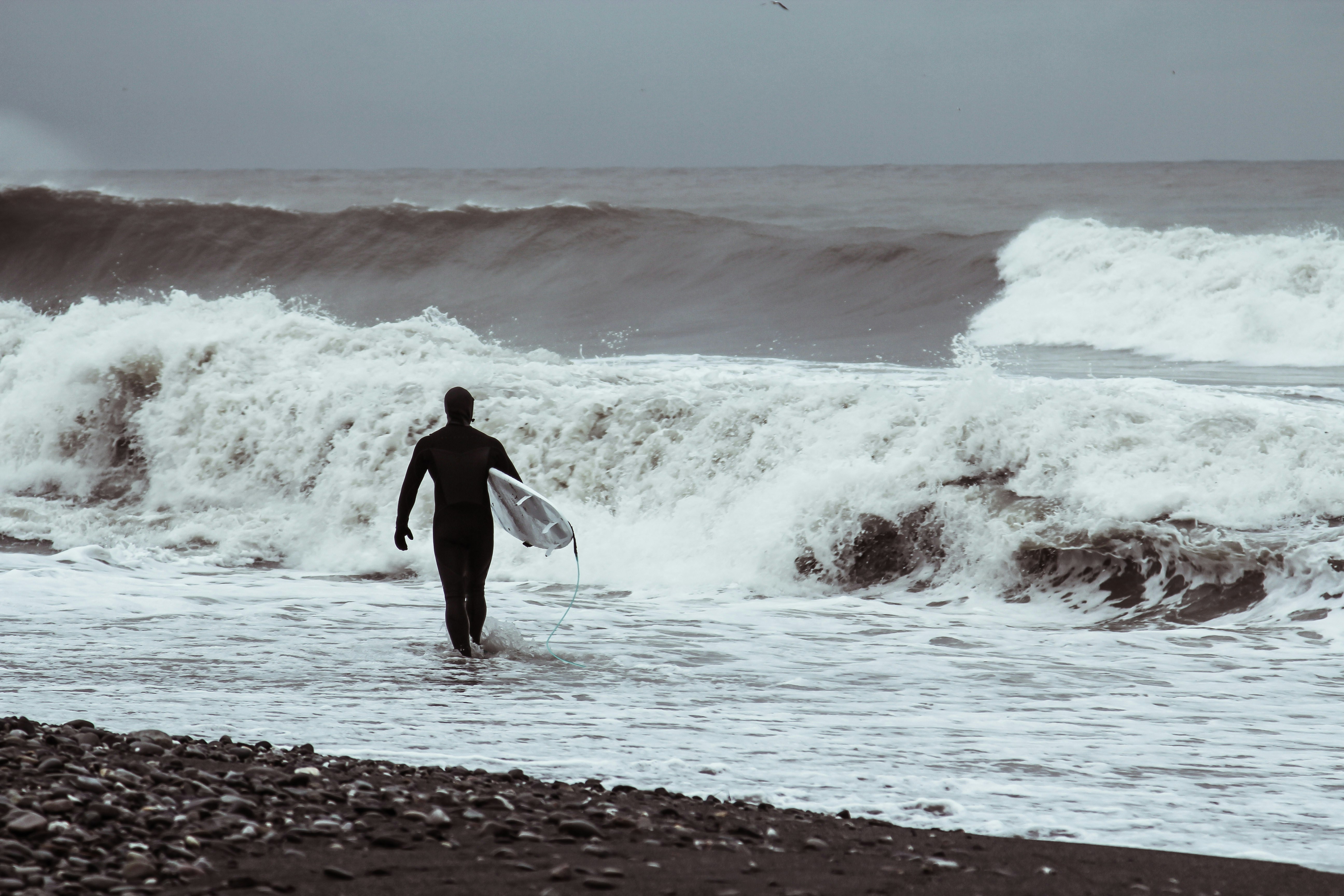
Iceland isn’t your typical surf destination. There are no palm trees, and the water temperature rarely rises above 55°F (13°C). Yet along the coast of Iceland, the North Atlantic delivers powerful waves, dramatic scenery, and long stretches of untouched shoreline.
In South Iceland, near the fishing town of Þorlákshöfn, surfing feels raw and real. Black sand beaches stretch wide. Volcanic reefs shape the break. The air is crisp. The lineup is rarely crowded. For those willing to brave the cold, surfing in Iceland’s South Coast offers an unforgettable experience.
Here’s what to know before paddling out.
What to Expect When Surfing in Iceland’s Wild Waters
Surfing in Iceland is as much about the environment as it is about the waves. The coast of Iceland is exposed to the full force of the North Atlantic. This means the swells are consistent, but the conditions can change in minutes.
Water temperatures usually range from 37–55°F (3–13°C) depending on the season. So, wearing a proper wetsuit is essential. Most surfers wear:
65/4 mm hooded wetsuit
5 mm thick gloves
7 mm boots
Extra thermal layers in winter
Conditions change quickly, and winds can shift within hours. The waves break differently depending on the tide and the swell direction. Some days are glassy and calm, while other days are heavy and wind-blown.
So, what makes it worth it?
Fewer crowds than most European surf destinations
Dramatic volcanic reefs and backdrops
Wide black sand beach landscapes
A feeling of space and solitude
Most surfed spots in Iceland are still quiet compared to global surf hubs. You may share the lineup with just a handful of locals and travelers.
It feels remote and atmospheric. And that’s exactly its appeal.
Where to Surf in Iceland: Top Spots with Consistent Swells
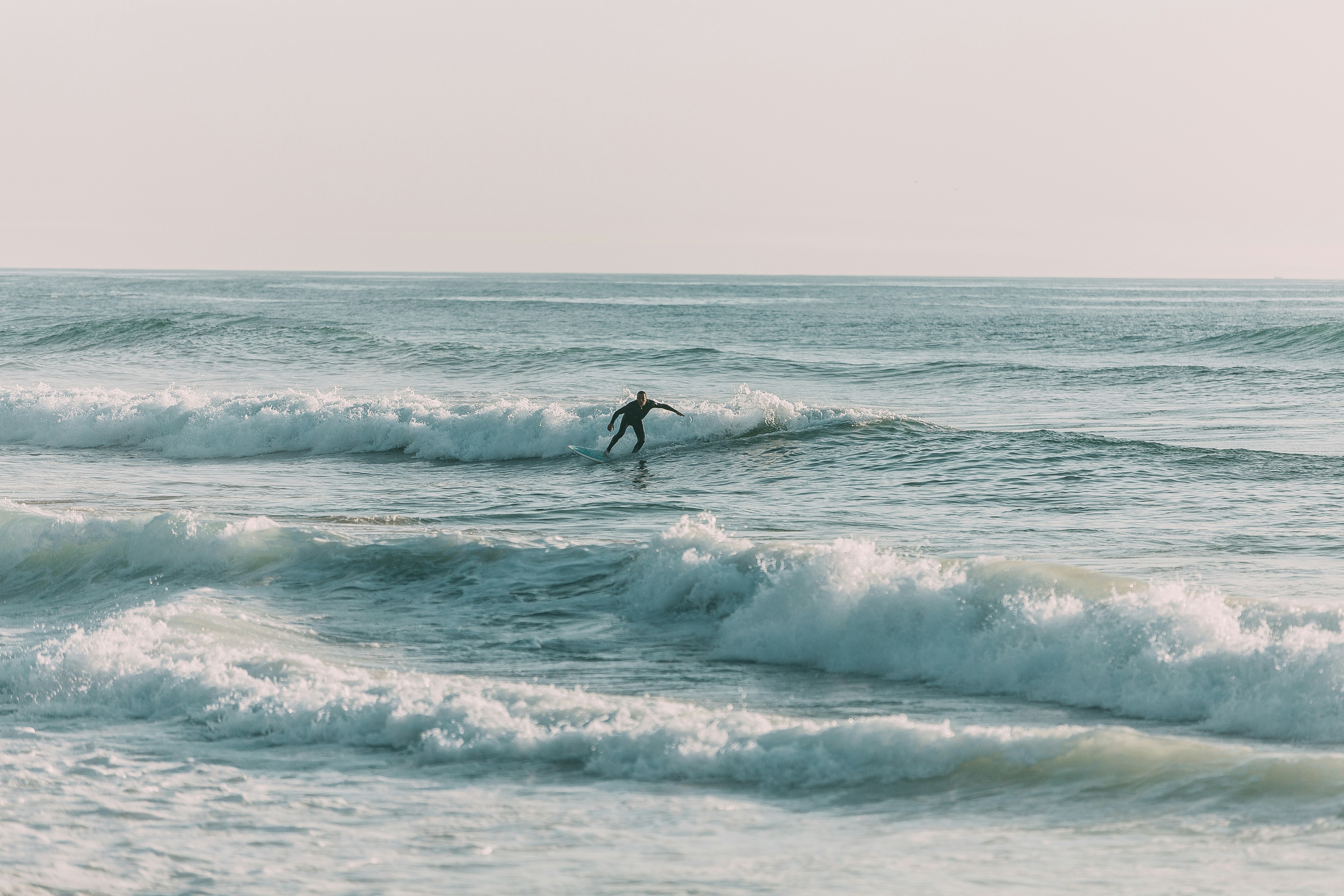
The best surfing in Iceland is concentrated along the Reykjanes Peninsula and parts of South Iceland. Swells roll in from the North Atlantic, wrapping around volcanic headlands and shaping breaks along sandy beaches and rocky reefs.
1. Þorlákshöfn (Thorli Beach)
Þorlákshöfn is often considered one of the best surf spots in Iceland with consistent swells. Located about an hour from Reykjavík, it sits along a wide black sand beach with a sandy and rocky bottom.
Here’s why surfers like it:
Reliable swell exposure
Multiple peaks depending on conditions
Less crowded than the breaks closer to Reykjavík
Primarily known for its right-hand waves, but also produces left-hand waves
Volcanic reefs and rock formations help shape the waves break here. When conditions align, you can find clean, well-formed faces that hold their shape longer than you might expect this far north.
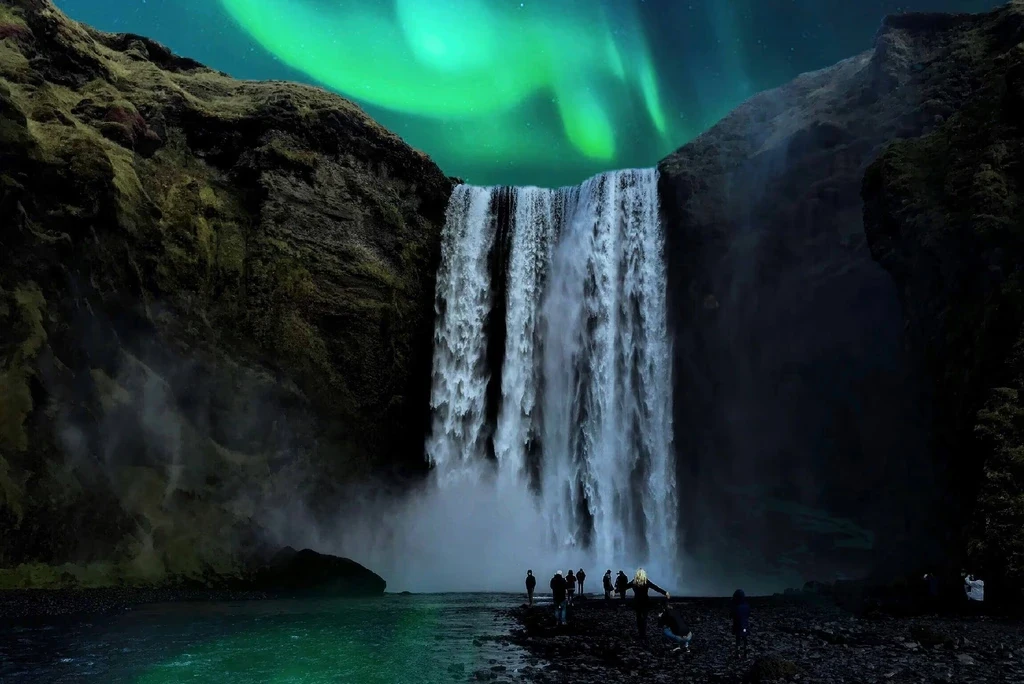
Since it’s on the South Coast, it’s also convenient for travelers exploring South Iceland waterfalls, lava fields, and coastal cliffs. Surfing in Þorlákshöfn can easily fit into a broader road trip.
2. Stóra-Sandvík
On the Reykjanes Peninsula, Stóra-Sandvík is another popular black sand beach for surfers. It's exposed and powerful. Yet still considered a reliable spot for beginners and intermediates, thanks to its sandy bottom and easy access.
Expect:
Strong, open beach break
Heavy winter swells
Raw Atlantic energy
This area feels wild, with steam vents and lava fields surrounding the coastline. It’s a dramatic place to watch the waves, even if you aren’t paddling out.
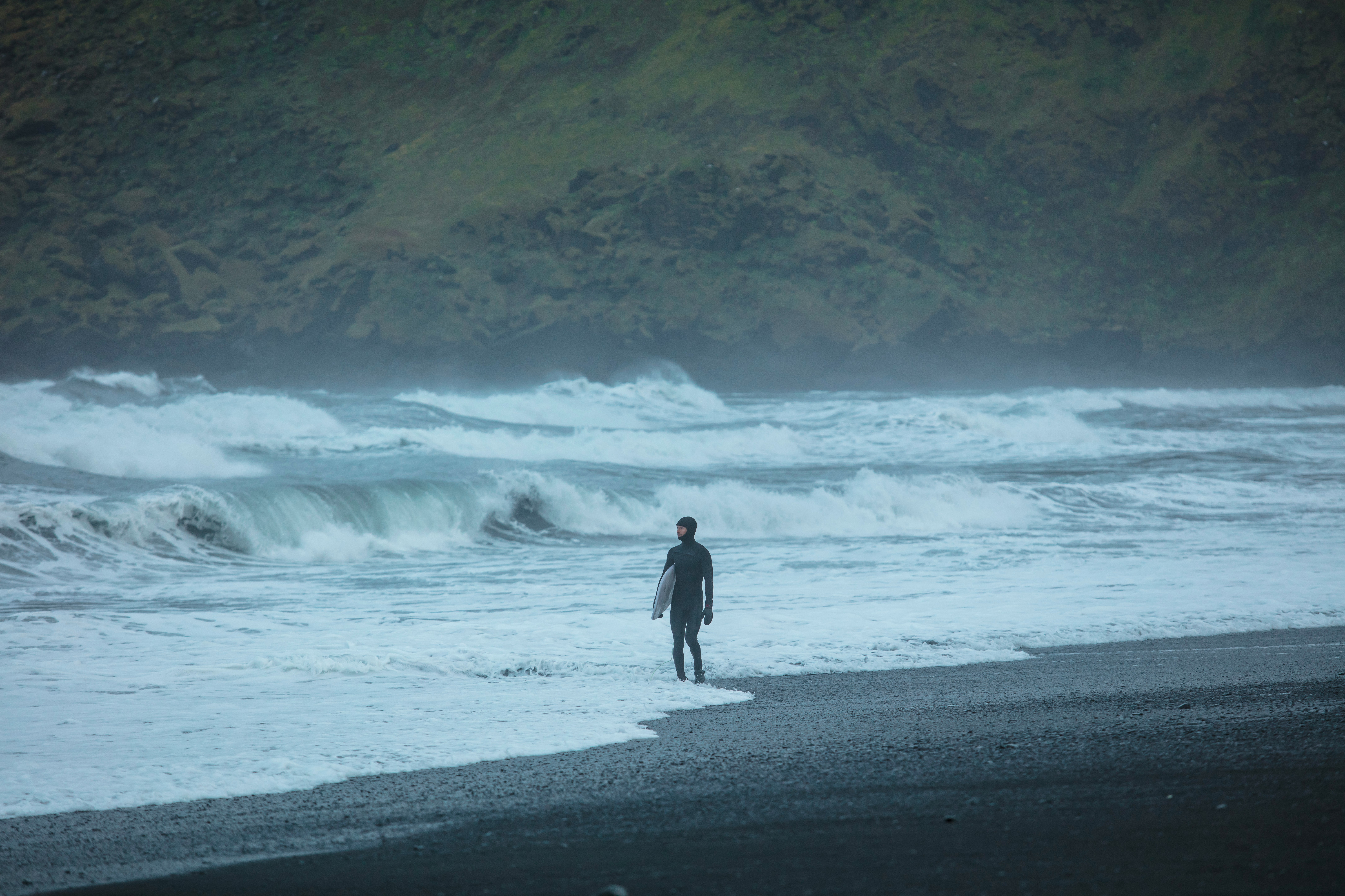
3. Grindavík
On the southern edge of the Reykjanes Peninsula, near Grindavík, you’ll find several powerful and less predictable surf breaks.
This area sits fully exposed to North Atlantic swells. When winter systems roll in, the waves break with force along rocky shorelines and volcanic reefs. It’s not a beginner-friendly zone, but experienced surfers seek it out for its intensity.
Expect:
Heavy winter waves
Strong, fast-moving swells
Reef and point-style setups, depending on conditions
Dramatic coastal scenery
Since Grindavík faces the open ocean, wind direction matters even more. Offshore winds can clean up the faces beautifully, while onshore winds can turn them chaotic within hours.
When to Go Surfing in Iceland: Winter Swells vs Midnight Sun
The best time for surfing in Iceland depends on your experience level and what kind of atmosphere you’re looking for. Conditions shift dramatically between winter and summer, and each season offers a very different experience along the coast of Iceland.
Winter (October–March)
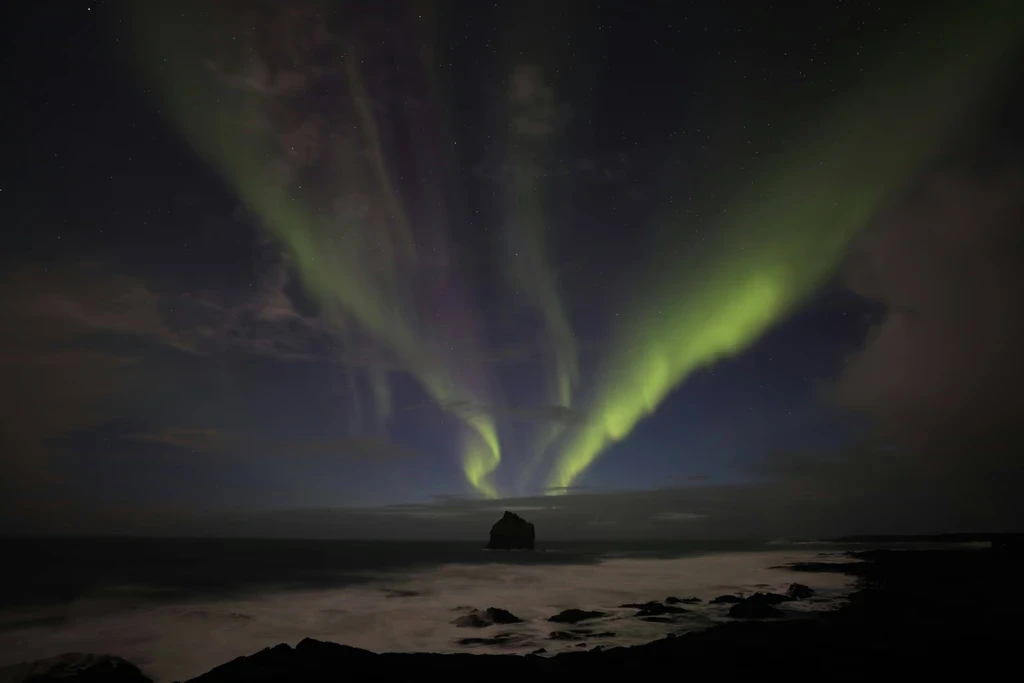
Winter is the season for “swell hunters,” when the North Atlantic produces massive, powerful waves. You might even catch the Northern Lights in Iceland while waiting for a set. However, daylight hours are shorter, and both the air and water are colder. For these reasons, winter is best suited for experienced surfers who are comfortable in heavy conditions.
Summer (June–August)
During this time, swells are smaller and more manageable, making this season more beginner-friendly. But the biggest draw is the Midnight Sun. You can surf at 23:00 under a pink sky and enjoy nearly 24 hours of daylight. That being said, summer works well for travelers who want to balance surfing with exploring South Iceland during the day.
Safety Tips for Surfing Iceland’s Powerful Coast
Safety is the most important factor when surfing in Iceland. The ocean here is beautiful but unforgiving.
Keep these safety tips in mind:
Check the forecast: Use local apps like vedur.is to monitor wind, swell, and weather conditions before heading out.
Dress properly: Hypothermia is a real risk without adequate gear. A 6/5/4 mm wetsuit, along with boots, gloves, and a hood, is strongly recommended in colder months.
Beware of sneaker waves: The South Coast is known for waves that suddenly surge much larger than the rest of the set. Never turn your back on the ocean.
Never surf alone: Even at popular surf spots, always have a buddy nearby in case of equipment failure or cold-related fatigue.
Know your limits: Winter swells can be powerful and fast-moving. Take breaks when needed and consider hiring a surf guide if conditions feel beyond your skill level.
If you’re new to cold-water surfing, consider connecting with local surf communities or guides for advice.
Where to Stay Near Þorlákshöfn’s Surf Breaks
After a long session in the cold Atlantic, where you stay after matters. Choosing a hotel near Þorlákshöfn gives you quick access to one of the most consistent surf spots in Iceland. All while keeping you close to the quiet beauty of the coast.
Black Sand Hotel sits along the South Coast, right on a peaceful stretch of black sand beach. It’s only a 10-minute drive from Þorlákshöfn, making it a convenient place to rest after a full day of surfing.
Inside, the rooms and suites follow a clean, Scandinavian-inspired design. Natural tones and simple lines create a calm, restful atmosphere. After a day on the water, you can retreat to an ocean-view Junior Suite designed for comfort and relaxation.
During your stay at Black Sand Hotel, you can:
Unwind: Enjoy a relaxed meal or drink at ÓMUR Restaurant & Bar.
Recover: Rest in comfortable bedding and a quiet setting, or visit the on-site spa and wellness facilities to ease tired muscles.
Explore: Use the hotel as a convenient departure point for waterfalls, lava fields, and other South Iceland attractions.
Staying at Black Sand Hotel makes exploring the South Coast simple. You can surf in the morning, visit waterfalls in the afternoon, and return to a quiet evening by the sea.
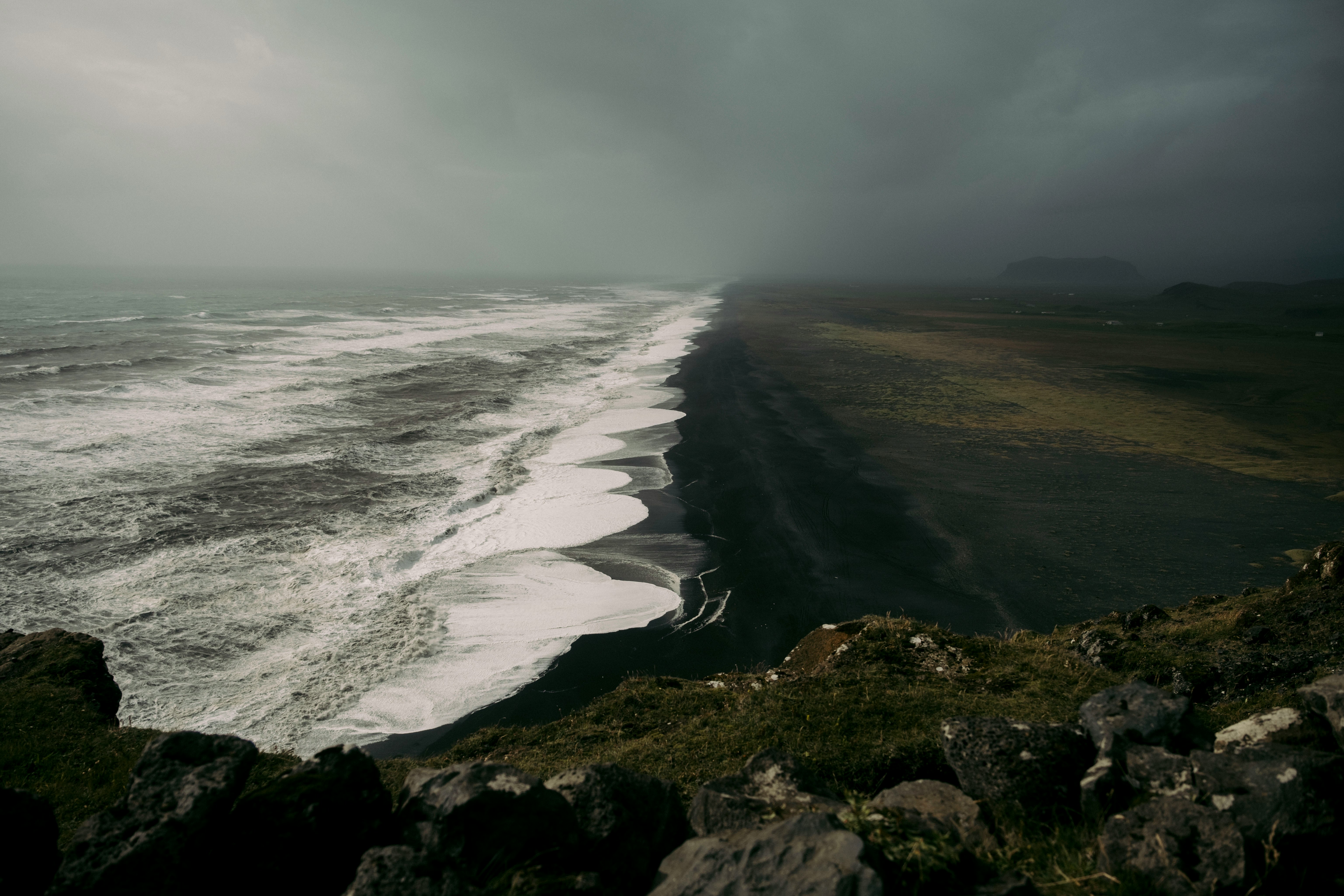
Ride the Wild Waves of Iceland Near Þorlákshöfn
Surfing in Iceland is an amazing way to experience the North Atlantic. One of the best spots is the famous right-hand point break at Þorlákshöfn along the South Coast. It’s accessible enough for travelers exploring the region, yet wild enough to feel untouched.
Since surfing here can be challenging, basing yourself at a nearby South Coast hotel, like Black Sand Hotel, is essential. It gives you a great balance between adventure and rest. You can challenge yourself in the freezing sea and then return to the calm of Icelandic nature.
Whether you surf under the Northern Lights or the Midnight Sun, the waves near Þorlákshöfn are unforgettable. Just remember to pack your thickest wetsuit and respect the ocean. The wild and beautiful coast of Iceland is waiting for you.
FAQs About Surfing in Iceland
Is surfing in Iceland beginner-friendly?
Surfing in Iceland is challenging, as most breaks are over sharp volcanic reefs, which can be dangerous for learners. However, the black sand beaches near Þorlákshöfn and Sandvík offer some of the few reliable spots for beginners to practice when the swell is manageable.
What thickness of wetsuit do I need when surfing in Iceland?
A 5/4 mm or 6/5 mm hooded wetsuit is the minimum requirement for surfing in Iceland, even in summer. In winter, you’ll also need 5–7 mm boots and 3–5 mm gloves to stay properly insulated. Water temperatures typically range from 37–50°F (3–10°C), so the goal isn’t just comfort but also to prevent cold shock and hypothermia.
When is the best time of year to surf in Iceland?
For experienced surfers, October through March offers the most consistent North Atlantic swells in Iceland. If you’re a beginner or intermediate, summer (June–August) provides smaller waves and more daylight, though the swells are less frequent.
Can I rent surfing gear in Þorlákshöfn?
There are no permanent surf shops on the beach in Þorlákshöfn. Most surfers bring their own gear or rent from specialized tour operators in Reykjavík before heading out. It’s best to arrange your equipment well in advance.
Is Þorlákshöfn better than the Reykjanes Peninsula spots?
Þorlákshöfn is known for its consistency and is one of Iceland's most reliable surf spots. While the Reykjanes Peninsula has several world-class reef breaks, Þorlákshöfn’s mix of point and beach breaks makes it a top choice for a wider range of skill levels.
How long can you stay in the water when surfing in Iceland?
Even with a high-end 6mm wetsuit, most winter surfing sessions in Iceland are capped at 1–2 hours. Once you stop moving or start shivering, the cold sets in quickly. Having a heated car or a nearby hot spring ready for a post-surf soak is standard practice here.
Do I need a 4x4 to reach the surf spots in Iceland?
For Þorlákshöfn and the main spots on the Reykjanes Peninsula, a standard car is usually fine in the summer. However, in winter, a 4x4 is highly recommended to navigate snow-covered coastal roads and reach more remote breaks.
blogs