" transform="translate(1.334 2)" width="13.333314731408331px"/><path d="M 0 2.667 L 0 0" fill="transparent" height="2.666640000000001px" id="nlKB6m7XS" stroke-dasharray="" stroke-linecap="round" stroke-linejoin="round" stroke-width="1" stroke="rgb(255, 255, 255)" transform="translate(8 8.667)" width="1px"/><path d="M 0.167 0.167 L 0.25 0.167 M 0.333 0.167 C 0.333 0.075 0.259 0 0.167 0 C 0.075 0 0 0.075 0 0.167 C 0 0.259 0.075 0.333 0.167 0.333 C 0.259 0.333 0.333 0.259 0.333 0.167 Z" fill="transparent" height="1px" id="G0jsljuaP" stroke-dasharray="" stroke-linecap="round" stroke-linejoin="round" stroke-width="1" stroke="rgb(255, 255, 255)" transform="translate(7.834 6)" width="1px"/></svg>)
" transform="translate(4 4)" width="8px"/></svg>)
Top Things to Do Near Iceland’s Famous Black Sand Beaches
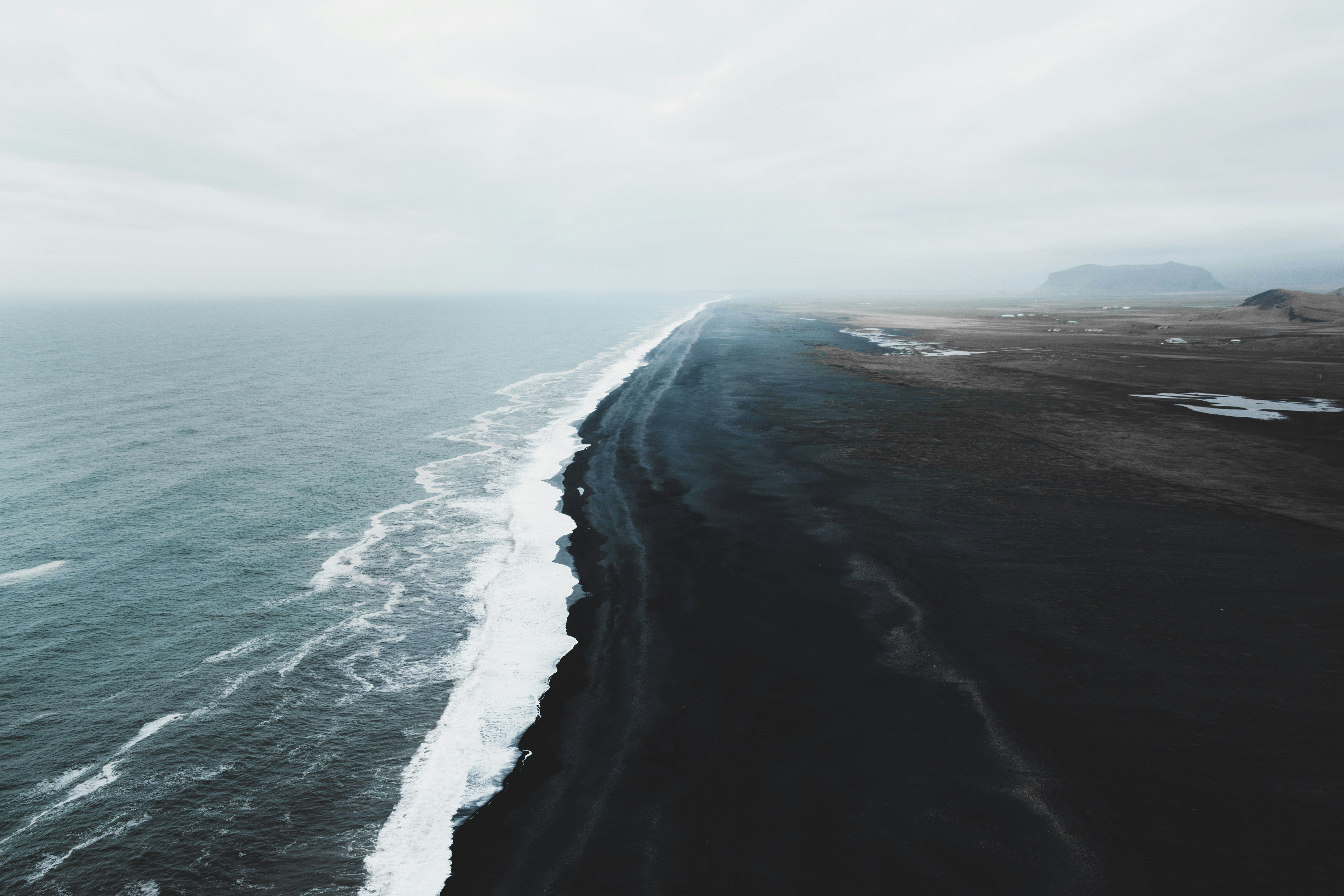
Iceland’s black sand beaches are some of the most striking coastal landscapes in the world. Shaped by volcanic activity and powerful ocean forces, these beaches feel raw, quiet, and unlike anywhere else. Along the South Coast, dramatic shorelines meet cliffs, glaciers, waterfalls, and small villages, making the area ideal for nature adventure.
Want to explore the most iconic black sand beaches in Iceland? This guide covers where to find them, what to do nearby, and how to explore safely.
Where Can You Find the Best Black Sand Beaches in Iceland?
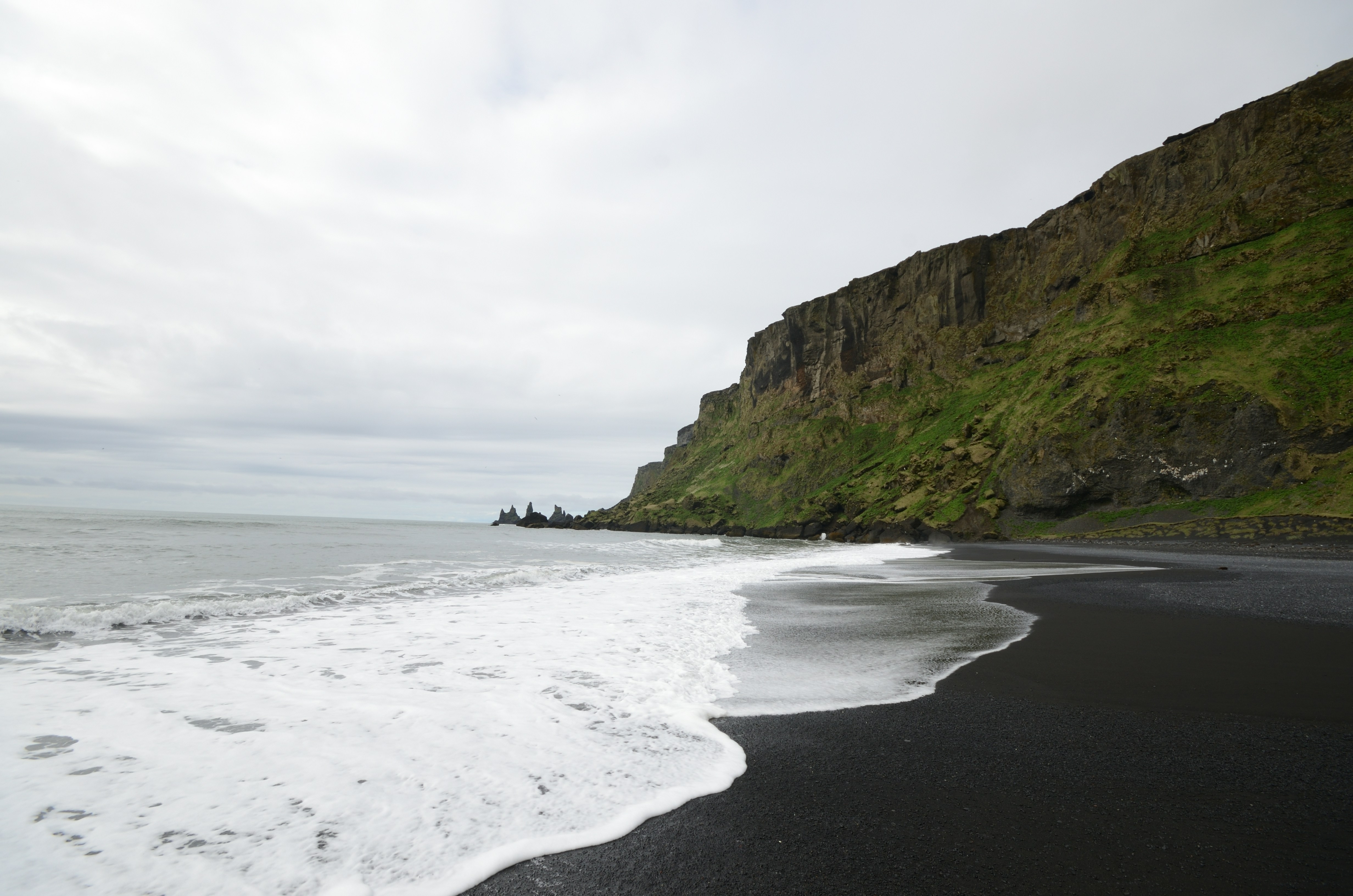
Black sand beaches are found around much of Iceland’s coastline. But the most famous and accessible ones are located along the South Coast. Their dark color comes from volcanic rock that has been broken down by waves over thousands of years. Frequent eruptions and lava flows, combined with erosion, continue to shape these shores today.
Some of the best-known black sand beaches in the South Coast are:
Reynisfjara Beach, the most famous one in Iceland
Víkurfjara Beach, stretching along the coast of Vík
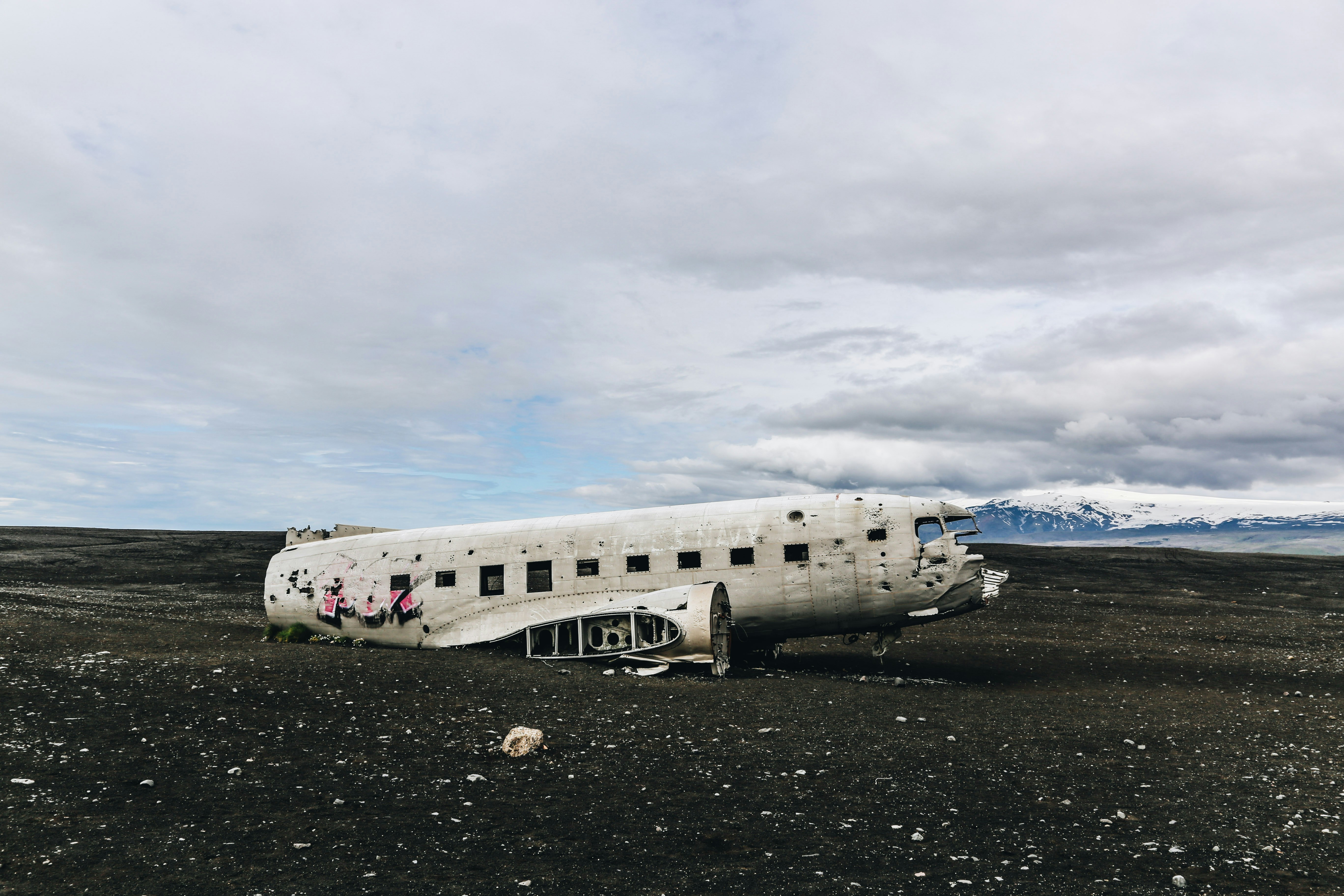
Solheimafjara Beach, home to the famous plane wreck
Diamond Beach, across the Jökulsárlón Glacier Lagoon
These beaches are defined by basalt columns, sea stacks, and wide stretches of black sand that contrast with the ocean. Many are easily reached from the Ring Road, making them natural stops for travelers exploring South Iceland.
Top 10 Things to Do Near South Iceland’s Black Sand Beaches
The areas around South Iceland’s black sand beaches offer a mix of coastal and inland experiences. Below are some of the most popular things to do nearby.
1. Admire iconic basalt columns
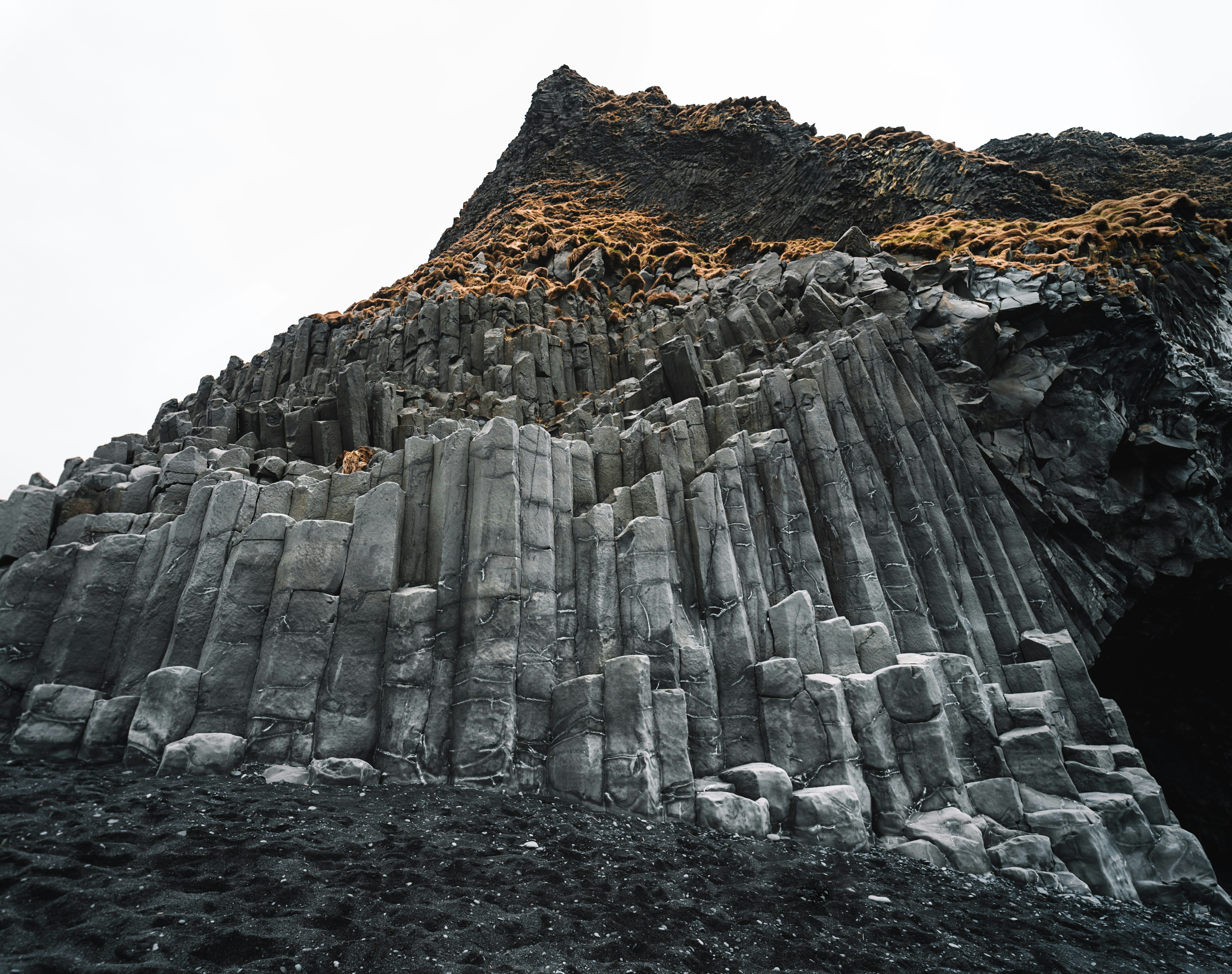
One of the most recognizable features near Iceland's black sand beaches is the towering basalt columns at Reynisfjara Beach. These geometric rock formations formed as lava cooled and cracked, creating hexagonal shapes that line the cliffs.
Take time to walk along the base of the cliffs and observe the patterns in the stone. Beneath the cliffs, you can also find Hálsanefshellir Cave, which is accessible during low tide. The contrast between the dark columns and the white surf is especially striking on overcast days.
2. Get a scenic view of the Reynisdrangar sea stacks
Rising sharply from the Atlantic Ocean, the Reynisdrangar sea stacks are among the most recognizable rock formations in South Iceland. According to local folklore, the stacks were once trolls turned to stone after being caught by the sunrise.
The sea stacks are best viewed from Reynisfjara Beach, where they appear just offshore. Or from the Dyrhólaey viewpoints, where you can get a wider perspective of the coastline.
3. View the coastline from Dyrhólaey
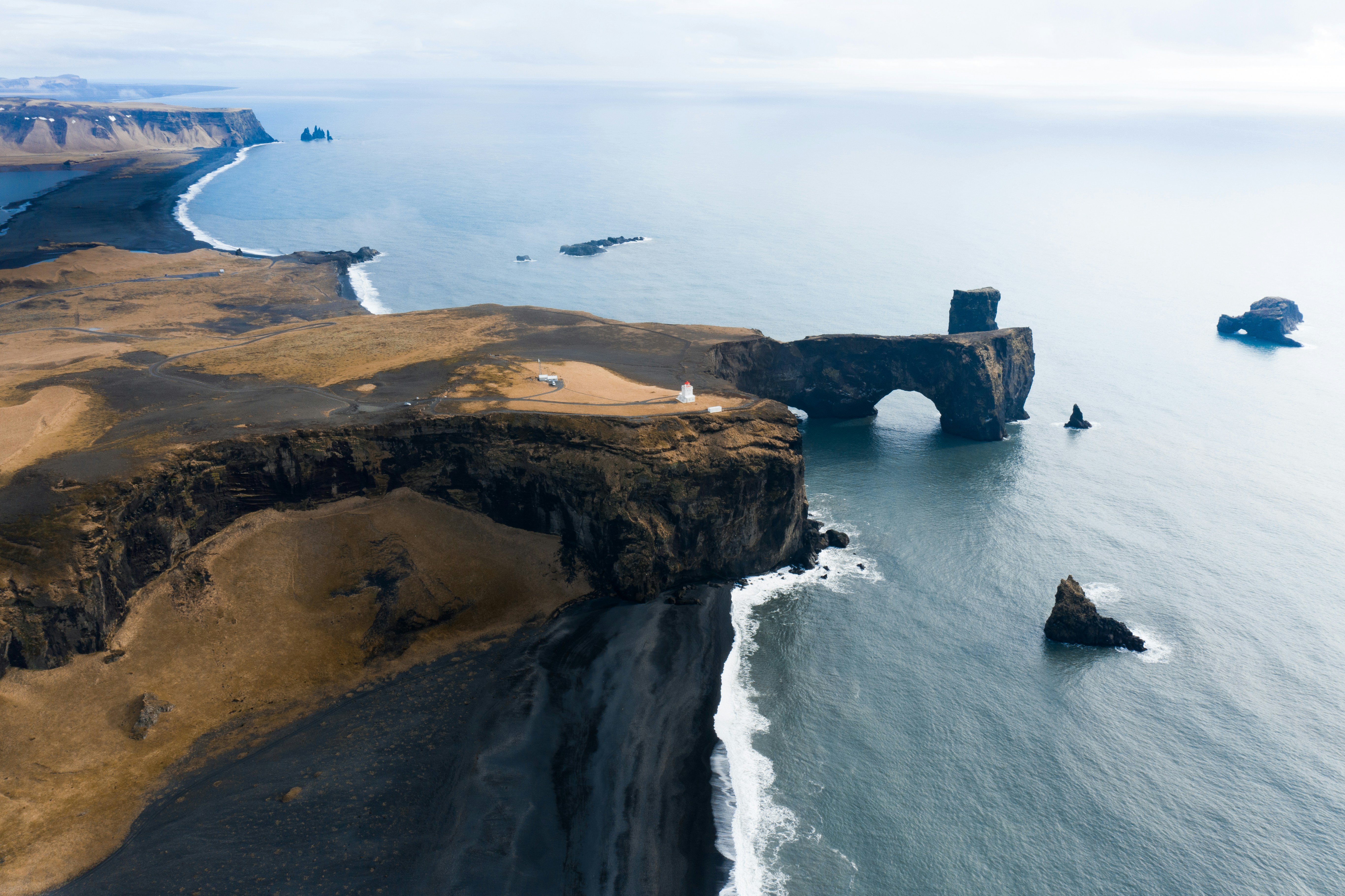
Dyrhólaey is a rocky peninsula rising above the black sand coastline west of Vík. From its viewpoints, you can see sweeping stretches of beach, distant glaciers, and sea stacks offshore.
Once on top, you’d be treated to:
Clifftop views over Reynisfjara Beach
A massive rock arch carved by the ocean
A lighthouse perched near the edge of the cliffs
In summer, the area is also known for birdlife, including nesting puffins.
4. Chase South Coast waterfalls
Several of Iceland’s most famous waterfalls are located close to the South Coast. Each offers a different experience.
Popular stops near South Iceland’s black sand beaches include:
Seljalandsfoss, where you can walk behind the water
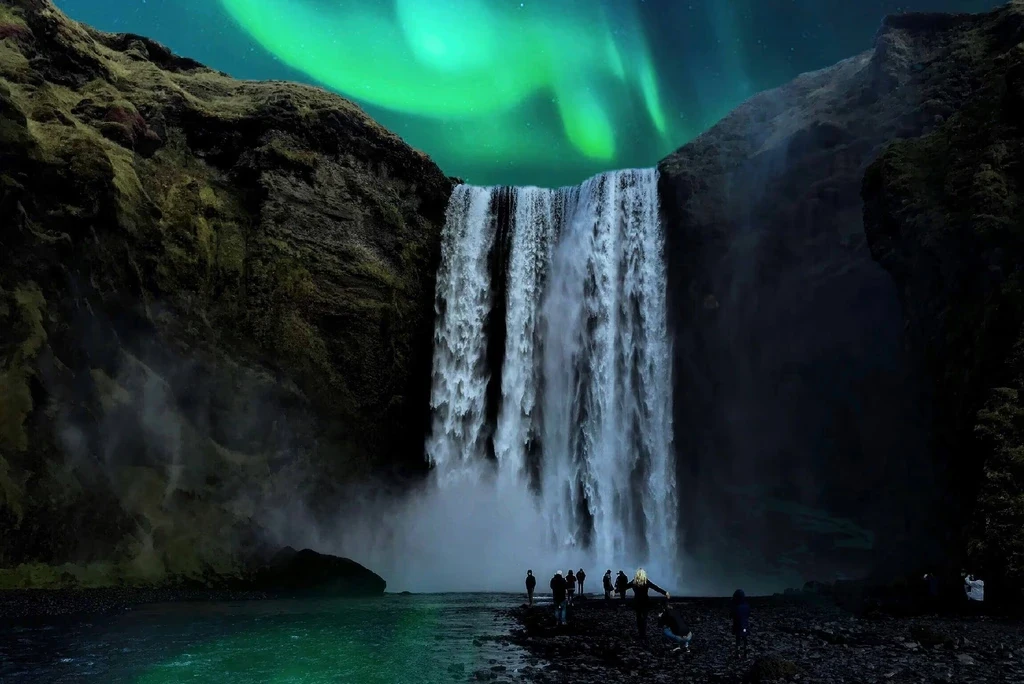
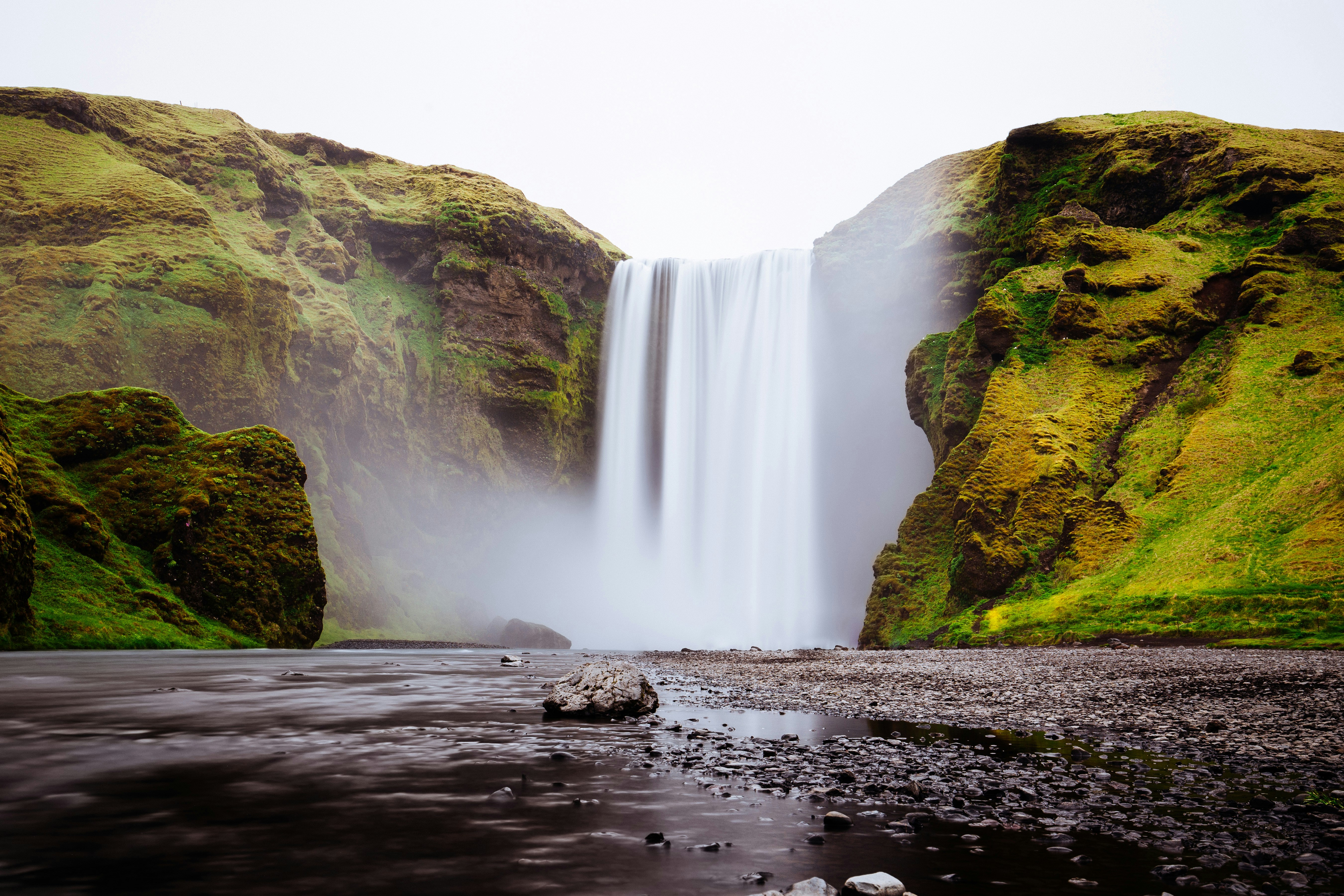
Skógafoss, known for its wide, powerful drop
Kvernufoss, a quieter waterfall hidden in a narrow gorge
Gljúfrabúi, a partially hidden waterfall tucked behind a cliff
These top South Iceland waterfalls are easy to combine with coastal sightseeing and offer a refreshing change of scenery.
5. Explore a glacier or ice cave
Just inland from the coast, glaciers spill down from Iceland’s highlands toward the sea. Guided tours allow visitors to explore these icy landscapes safely with experienced locals.
Popular options include glacier hikes on Sólheimajökull and ice cave tours near the Katla volcano, depending on conditions. Ice caves are constantly changing, meaning no two visits are ever the same. These experiences offer insight into how volcanic activity and ice coexist in Iceland’s environment.
6. Discover the DC-3 plane wreck
On the black sands of Sólheimasandur lies the remains of a U.S. Navy DC-3 plane that crash-landed in 1973. No one was injured, and the empty fuselage remains as a stark landmark in an otherwise open landscape.
The site is reached by a long, flat walk or shuttle ride across the sand. Weather conditions can change quickly, so it’s best to visit on calm days.
7. Cross rivers on an ATV or Buggy tour
Looking for more adventure on South Iceland’s black sand beaches? Guided ATV or buggy tours provide an alternative way to reach the DC-3 plane wreck at Sólheimasandur. Instead of just walking, these tours follow routes that cross shallow rivers and volcanic plains near the coast.
The experience provides access to remote landscapes and expansive views of glaciers and black sand beaches. Tours are typically suitable for beginners and include safety instruction, allowing anyone to try it.
8. Go horseback riding on black sand
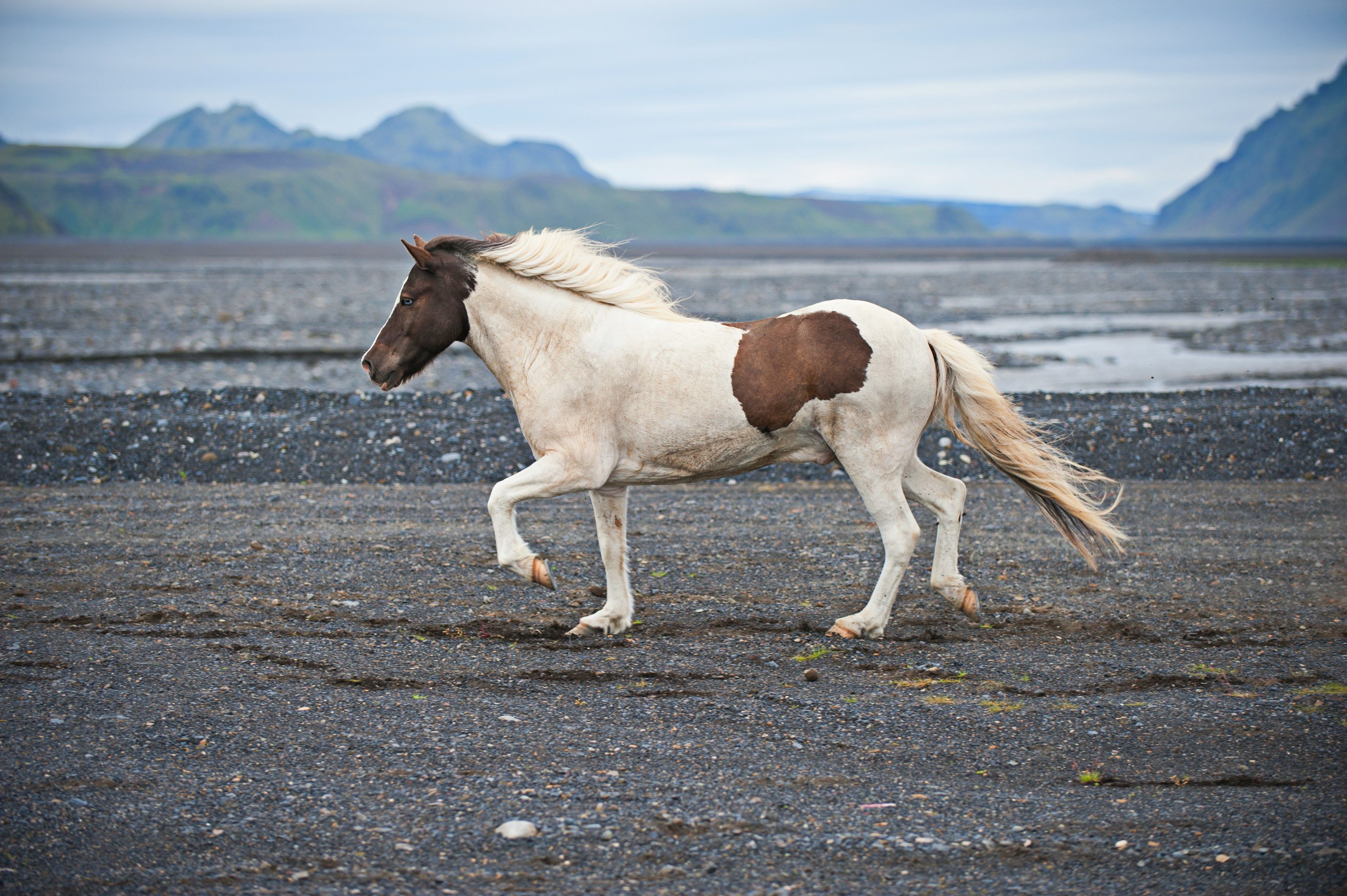
Icelandic horses are known for their calm temperament and unique gait. Riding along black sand beaches or nearby trails offers a peaceful way to experience the landscape.
Tours near Vík often focus on gentle rides suitable for first-time riders. They’re a popular choice for scenic coastal and countryside routes and small-group experiences. Summer or winter, horseback riding offers a calm and immersive way to experience Icelandic nature at a slower pace.
9. Enjoy local food and village life in Vík
Vík is the main village near Reynisfjara Beach and a convenient stop along the South Coast. Despite its small size, it offers several restaurants, cafés, and viewpoints.
Visitors can enjoy traditional Icelandic dishes and fresh seafood, and views from the hilltop church overlooking the coast. It’s a good place to rest and refuel before continuing your weekend journey in South Iceland.
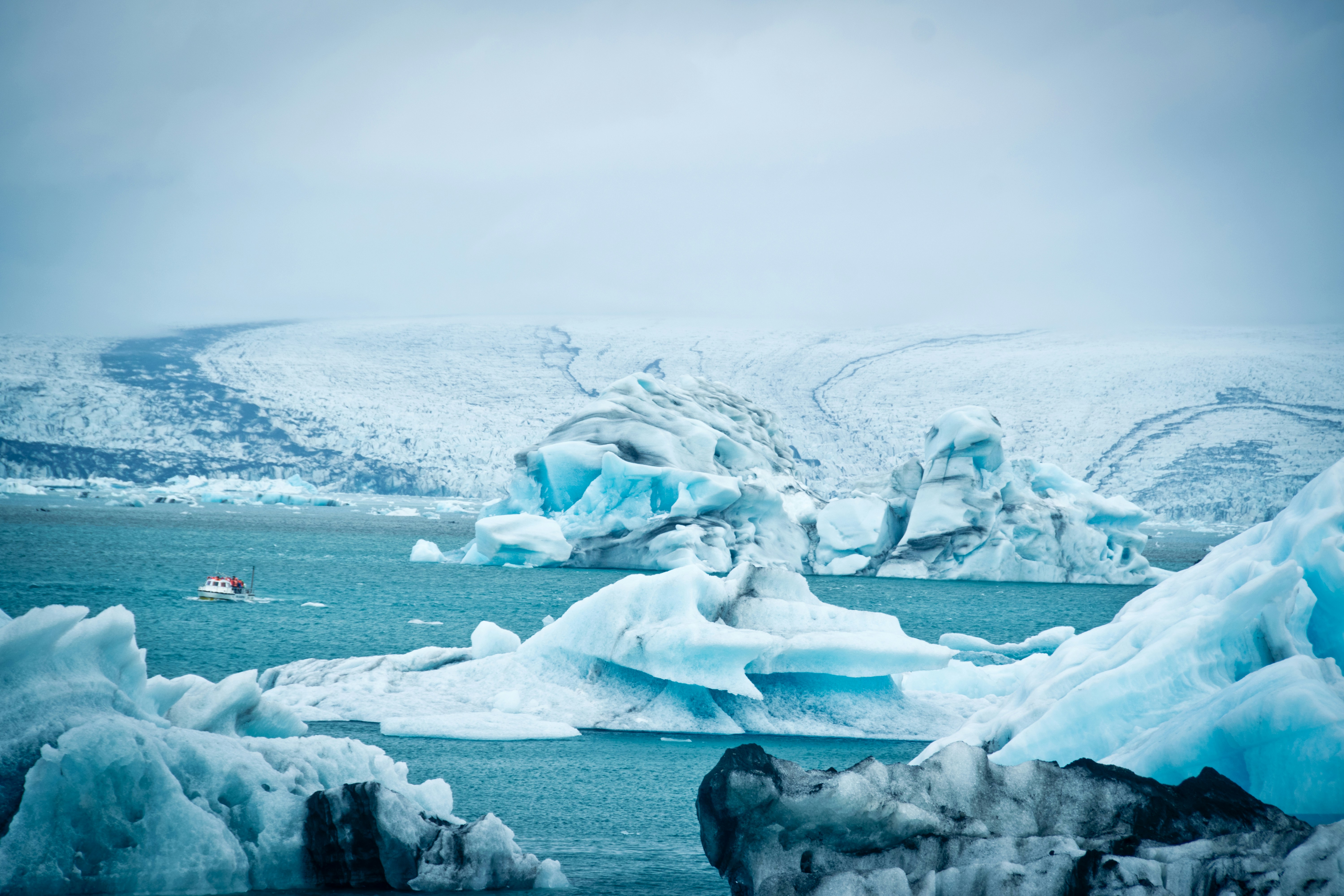
10. Drift between icebergs at Jökulsárlón Glacier Lagoon
Further east, near Vatnajökull National Park, lies Jökulsárlón glacier lagoon. Here, large icebergs break away from the glacier and float slowly toward the sea.
Just across the road, Diamond Beach is where pieces of ice wash ashore on black sand, creating a striking contrast. Visiting both locations offers one of the most memorable sights in South Iceland.
Where to Stay Near South Iceland’s Black Sand Beaches
Staying close to the coast allows you to experience the black sand beaches during quieter moments of the day, especially in the early mornings or late evenings when there are fewer crowds.
Black Sand Hotel is conveniently located near South Iceland’s black sand beaches and offers:
Comfortable Scandinavian-inspired rooms and suites
Ómur Restaurant & Bar, focused on seasonal ingredients
Spa and wellness facilities, ideal for relaxing between trips
Easy access to coastal walks and nearby natural attractions
This South Coast hotel is located on a lesser-known black sand beach. Meaning, guests can always explore the coastline away from the busiest sites. There are also several top attractions in South Iceland within one hour of Black Sand Hotel. And that makes it a convenient base for exploring the region.
Best Time to Visit Black Sand Beaches in Iceland
Black sand beaches can be visited year-round, with each season offering a different experience.
Summer (June–August): Milder weather, long daylight hours, and puffin nesting season
Shoulder seasons (spring and fall): Fewer crowds and softer, changing light
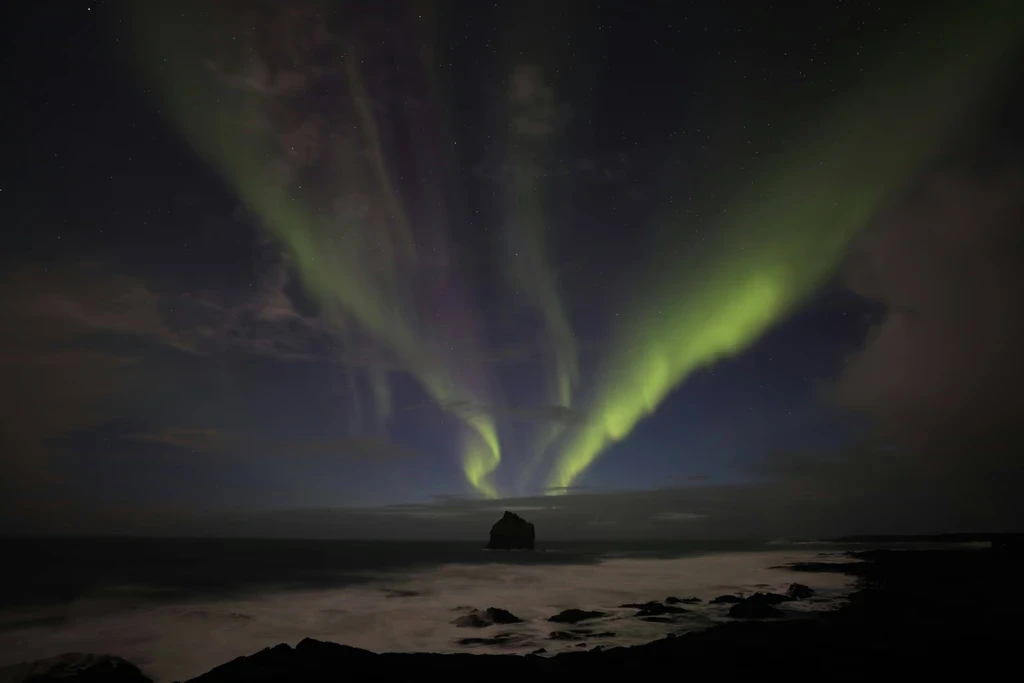
Winter (November–March): Snow-covered landscapes, seasonal ice caves, dramatic storms, and possible Northern Lights
Weather can change quickly along the coast, so flexible plans are recommended year-round.
Safety Tips When Visiting Black Sand Beaches in Iceland
Iceland’s black sand beaches are beautiful but can be dangerous if not treated with respect. Conditions can change quickly along the coast.
Keep these safety tips in mind when visiting black sand beaches:
Never swim in the waters: Cold water, strong currents, and unpredictable waves make swimming unsafe.
Watch for sneaker waves: These powerful waves can surge far up the shore without warning.
Keep a safe distance: Stay well back from the waterline, even during calm conditions.
Never turn your back on the ocean: Always face the sea and remain alert.
Monitor weather and tides: Check forecasts and tide schedules before visiting coastal areas.
Understand warning signs: Green means low risk, yellow signals increased danger and limited access, and red indicates hazardous conditions and restricted access.
Use a winter-equipped vehicle: Proper tires and driving conditions are essential on South Coast roads in winter.
Dress warmly, as wind and spray can lower temperatures quickly. Pack water and snacks, even for short visits, in case conditions delay your plans.
Explore Beyond South Iceland’s Black Sand Beaches
The South Coast offers far more than dramatic shorelines. From waterfalls and glaciers to quiet villages and open landscapes, the region invites slow exploration. Iceland's black sand beaches are often the starting point. But they are best experienced as part of a wider journey through Icelandic nature.
Take your time to explore nearby sights and choose a peaceful base close to the coast. That way, you can experience South Iceland in a more relaxed and meaningful way.
FAQs About Iceland Black Sand Beaches
Can you swim on Iceland's black sand beaches?
No, you can’t swim on Iceland’s black sand beaches. The water is extremely cold, and strong currents and sneaker waves make swimming unsafe.
Why does Iceland have black sand beaches?
Black sand beaches in Iceland are formed from volcanic rock created by frequent eruptions. Over time, lava breaks down into black sand through erosion.
What is the best black sand beach in Iceland?
Reynisfjara Beach is the most famous black sand beach in Iceland. It’s known for its basalt columns, sea stacks, and dramatic setting.
Can I bring back black sand from Iceland?
No, you can’t take black sands from Iceland. Removing natural materials is discouraged and often prohibited to help protect the environment.
What was filmed at Black Sand Beach, Iceland?
Reynisfjara and other black sand beaches in Iceland have appeared in several films and TV shows. These include Game of Thrones and Rogue One: A Star Wars Story.
blogs