" transform="translate(1.334 2)" width="13.333314731408331px"/><path d="M 0 2.667 L 0 0" fill="transparent" height="2.666640000000001px" id="nlKB6m7XS" stroke-dasharray="" stroke-linecap="round" stroke-linejoin="round" stroke-width="1" stroke="rgb(255, 255, 255)" transform="translate(8 8.667)" width="1px"/><path d="M 0.167 0.167 L 0.25 0.167 M 0.333 0.167 C 0.333 0.075 0.259 0 0.167 0 C 0.075 0 0 0.075 0 0.167 C 0 0.259 0.075 0.333 0.167 0.333 C 0.259 0.333 0.333 0.259 0.333 0.167 Z" fill="transparent" height="1px" id="G0jsljuaP" stroke-dasharray="" stroke-linecap="round" stroke-linejoin="round" stroke-width="1" stroke="rgb(255, 255, 255)" transform="translate(7.834 6)" width="1px"/></svg>)
" transform="translate(4 4)" width="8px"/></svg>)
Why are Iceland Beaches Black?
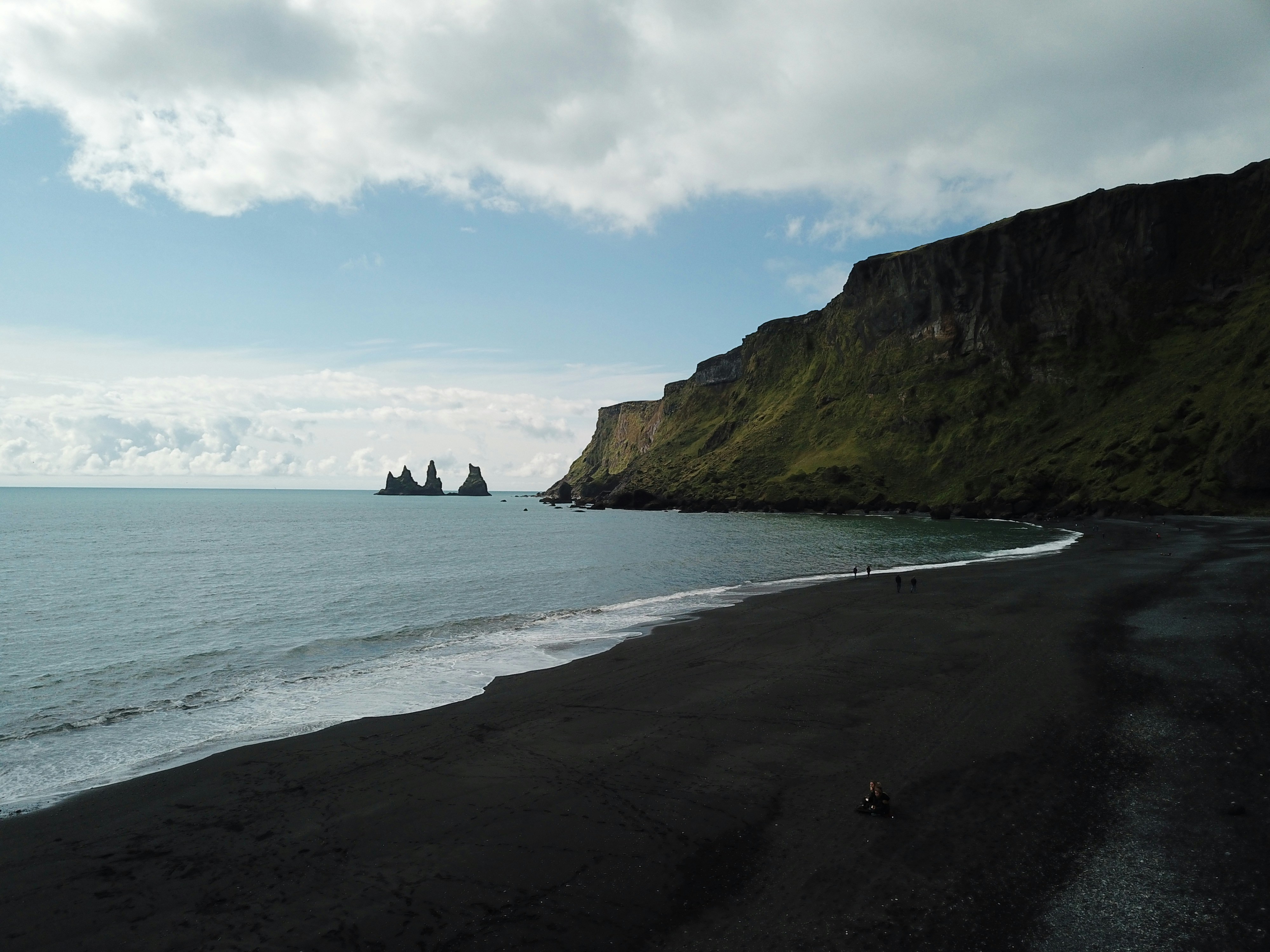
When you visit Iceland, especially the South Coast, you will see something amazing. Instead of gold or white sand, the beaches are deep black. This dark coastline creates a beautiful contrast with the white waves of the Atlantic Ocean. Many travelers wonder why Iceland's beaches are black. The answer lies deep beneath the earth’s surface and involves millions of years of volcanic activity.
This guide explains the science behind these famous shores. We will also look at the best places to see them. If you are planning a coastal retreat, understanding these terrains makes your trip even more special.
The Science of Volcanic Sand
The main reason for the dark color is volcanic activity. Iceland sits on a "hotspot" where tectonic plates pull apart. This causes magma to rise to the surface often. Most of the rock in Iceland is basalt. Basalt is a dark, heavy volcanic rock and has a lot of iron and magnesium. These minerals give the rock its midnight-black color.
When a volcano erupts near the coast, red-hot lava flows into the cold sea. The big temperature difference causes a strong reaction. The water cools the lava so quickly that the rock breaks apart into millions of tiny pieces. Over time, ocean waves grind these pieces into fine black sand, as we see today.
Famous Black Sand Beaches in Iceland
Dark sand beaches are found all over Iceland, but the most well-known are along the South Coast. Each beach in Iceland shows a unique side of Iceland’s natural beauty.
Reynisfjara Beach
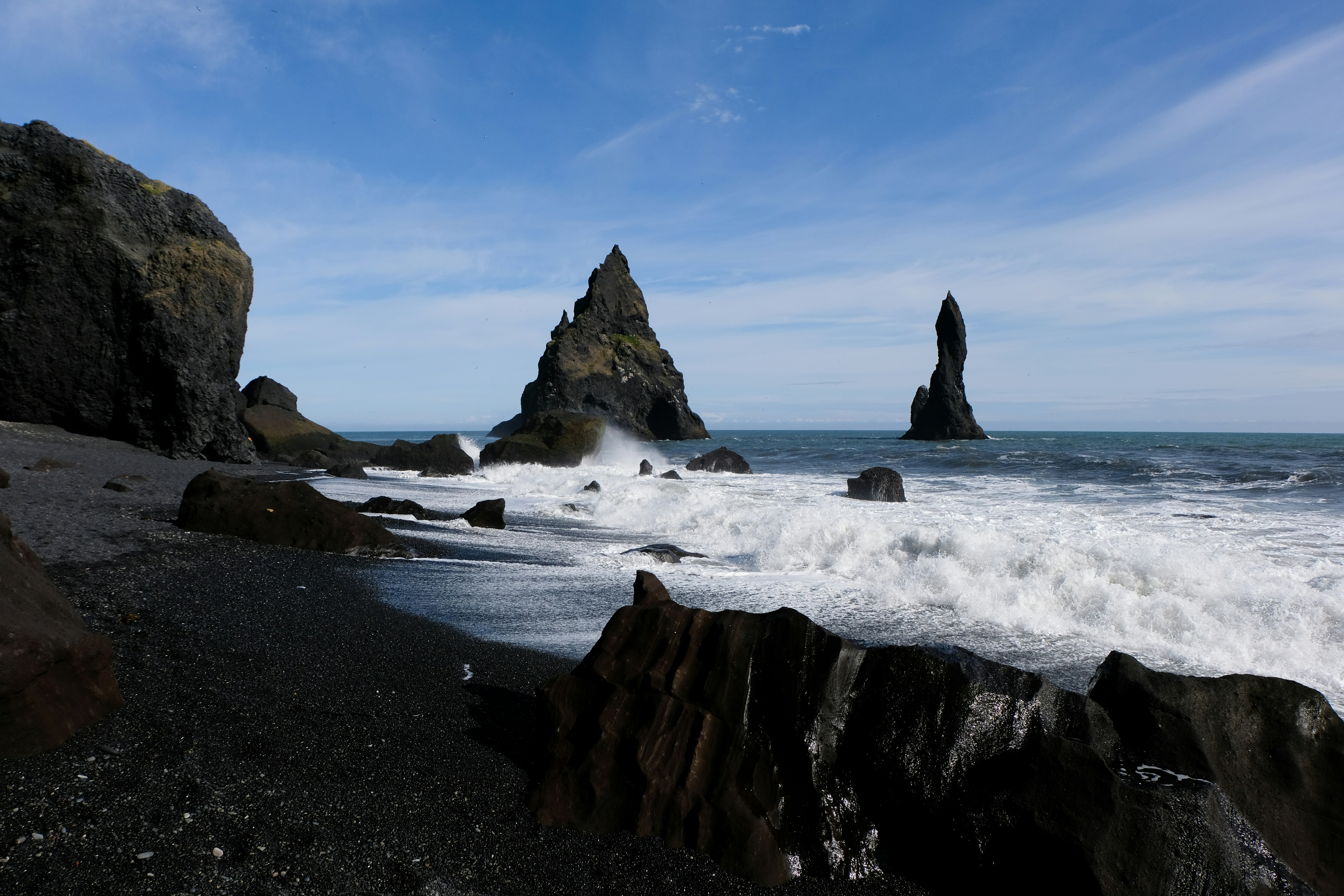
Reynisfjara is Iceland’s most famous beach, found near the village of Vík. Standing on the sand, you’ll notice huge basalt columns along the cliffs that look like giant organ pipes. Out in the water, tall sea stacks rise above the waves.
2026 Travel Update: After severe storms in February 2026, Reynisfjara beach has changed. Coastal erosion has removed much of the sand, so the ocean now reaches the cliffs more often, and the beach is narrower.
Safety: The sandy area between the water and the cliffs is smaller now, so it’s important to keep a safe distance from the ocean.
Access: The basalt columns and Hálsanefshellir cave are now closer to the waves, so it may not be safe to approach them.
New Views: Erosion has uncovered old bedrock and boulders that were hidden for a long time.
Diamond Beach
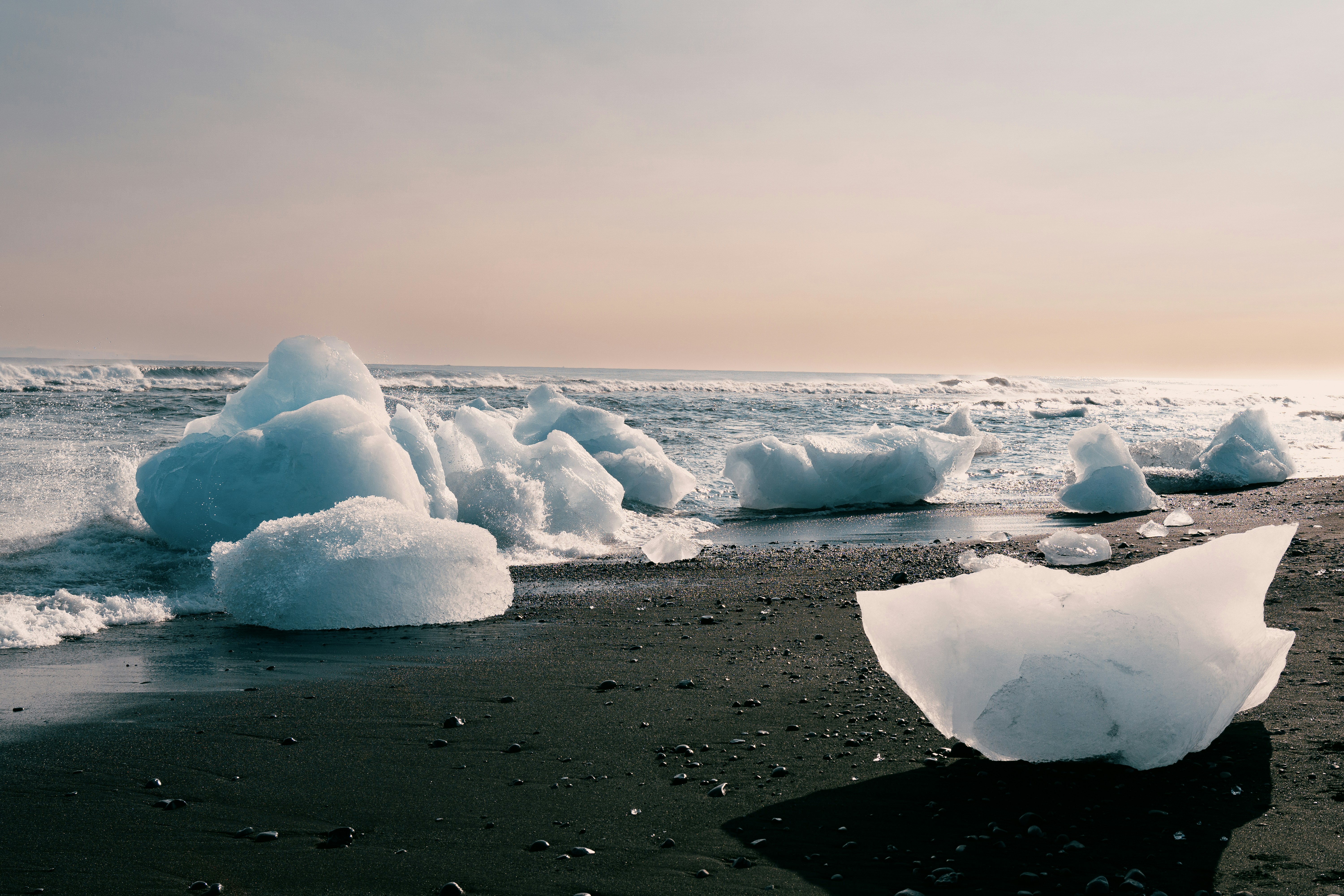
Diamond Beach in Iceland sits beside the Jökulsárlón glacier lagoon. Chunks of ice wash up on the dark sand, looking like giant diamonds on black velvet. It’s a great spot for photos and for enjoying some peace and quiet.
Stokksnes

Stokksnes, in eastern Iceland, has big black sand dunes with the striking Vestrahorn mountain in the background. It’s a quiet place, far from the larger crowds.
Why There Is No White Sand
Most beaches in the world get their color from crushed shells or quartz. In Iceland, the land is too young for these materials to build up. The island is constantly making new ground through eruptions. Because basalt is so common, it remains the dominant material.
Wait, are there any exceptions? A few places, like Ytri Tunga, have golden sand. This happens when crushed shells mix with the dark sediment. However, these spots are rare. The dark volcanic soil is the true signature of the Icelandic coast.
Staying Near the South Coast
If you want to experience these wonders, a Black Sand Hotel is a great choice. Staying local lets you see the beaches at sunrise or sunset, when the light makes the black sand glow. Many travelers look for a coastal retreat that offers peace and quiet.
What to Look for in a Stay
As you consider where to stay, keep in mind the features that will make your trip memorable.
Ocean view room: Seeing the North Atlantic from your window is a highlight of any trip.
Scandinavian-inspired design: Simple, clean lines help you relax after a day of exploring.
On-site dining: A good restaurant and bar make your evenings easy and comfortable.
Wellness areas: A spa or sauna helps soothe your muscles after hiking on volcanic terrain.
Make your reservation at a hotel near Vík or the surrounding area to be close to the action. Use your stay as the perfect base for exploring glaciers and waterfalls. Start planning your adventure today.
Plan Your Visit to Iceland’s Black Beaches
Seeing a black sand beach is a memory that stays with you forever. The sound of the waves and the dark soil create a feeling of being on another planet. It is a place to slow down and appreciate the power of nature.
When you visit, remember to pack warm clothes and a waterproof jacket. The weather on the coast changes fast. Whether you are staying in a cozy suite or a simple room, you will find that the Icelandic nature is right at your doorstep.
So, why are Iceland's beaches black? They are black because the earth is still alive and changing. Every grain of sand tells a story of fire, ice, and time.
FAQs
Where does the black color actually come from?
The sand is black because it comes from basalt, which is a dark volcanic rock. When lava pours into the ocean, it cools quickly and breaks into small pieces. Over time, the strong Atlantic waves wear these pieces down into the fine black sand you see on the shore.
Why are there no white sand beaches in Iceland?
White or golden sand usually comes from crushed shells, coral, or quartz, but these are not common in Iceland’s volcanic landscape. Since the island is constantly producing new lava, dark basalt is the main rock type along most of its coasts.
Does the black sand ever turn back to white?
No. Unlike regular sand, which can lighten in the sun, basalt retains its dark color. Still, you might see places like Diamond Beach, where black sand is covered with shiny pieces of glacial ice, or Ytri Tunga, where golden sand from crushed shells mixes with the volcanic sand.
Is it safe to take some black sand home as a souvenir?
It might be tempting, but it’s best to leave the sand where you find it. In many protected areas in Iceland, such as the Snæfellsnes Peninsula and parts of the South Coast, collecting natural samples is discouraged or even prohibited to help protect the environment. Besides, the sand is really just crushed volcanic rock and looks much better on the beach.
Why is the sand at Reynisfjara considered so much more dangerous?
The real danger is not the sand, but the shape of the beach. Reynisfjara has a steep underwater drop-off and no nearby features to block the strong Atlantic waves. This means that powerful "sneaker waves" can rush much farther up the beach than people expect, sometimes surprising those standing on what appears to be dry sand.
Can you swim in the water at these beaches?
No, you shouldn’t swim here. Even when the weather is calm, the water is usually colder than 10°C, and the currents are very strong. With the risk of hypothermia and powerful waves, these beaches are best enjoyed from a safe distance.
What are those massive stone pillars in the water?
Those are sea stacks, such as the well-known Reynisdrangar near Vík. From a geological point of view, they are what’s left of a bigger cliff that the ocean has worn away. But local stories say they are trolls who turned to stone when sunlight caught them as they tried to pull a ship to shore.
blogs