" transform="translate(1.334 2)" width="13.333314731408331px"/><path d="M 0 2.667 L 0 0" fill="transparent" height="2.666640000000001px" id="nlKB6m7XS" stroke-dasharray="" stroke-linecap="round" stroke-linejoin="round" stroke-width="1" stroke="rgb(255, 255, 255)" transform="translate(8 8.667)" width="1px"/><path d="M 0.167 0.167 L 0.25 0.167 M 0.333 0.167 C 0.333 0.075 0.259 0 0.167 0 C 0.075 0 0 0.075 0 0.167 C 0 0.259 0.075 0.333 0.167 0.333 C 0.259 0.333 0.333 0.259 0.333 0.167 Z" fill="transparent" height="1px" id="G0jsljuaP" stroke-dasharray="" stroke-linecap="round" stroke-linejoin="round" stroke-width="1" stroke="rgb(255, 255, 255)" transform="translate(7.834 6)" width="1px"/></svg>)
" transform="translate(4 4)" width="8px"/></svg>)
Iceland’s Lava Fields & Geothermal Wonders
Among many things, Iceland is known for its lava fields and geothermal wonders. Across the island, hardened lava stretches for miles, while steam rises from the ground, signaling ongoing volcanic activity. These features are not limited to remote areas. Many are located near roads, towns, and well-traveled routes, making them a natural part of everyday travel in Iceland.
This visitor guide highlights Iceland’s lava fields and geothermal wonders. It also includes practical advice on where to base yourself and how to visit them safely.
Why Lava Fields and Geothermal Areas Are So Common in Iceland
Iceland sits directly on the Mid-Atlantic Ridge, where the North American and Eurasian tectonic plates slowly pull apart. Magma rises through the gap, creating frequent volcanic activity. Over thousands of years, repeated eruptions have formed extensive lava fields across the country.
At the same time, Iceland’s thin crust allows heat from below the surface to escape easily. This results in geothermal areas filled with hot springs, fumaroles, and bubbling mud pools. Many of the most accessible lava fields and geothermal areas are located in South Iceland and on the Reykjanes Peninsula, making them easy to explore year-round.
Moss & Wildlife in the Lava Fields in Iceland
Lava fields, or ‘hraun’ in Icelandic, form when molten rock flows across the ground and cools into solid lava. Two main types of lava fields are found across the country, each with distinct characteristics:
Pāhoehoe lava: smoother and often ropy in texture, formed by slower-moving lava
ʻAʻā lava: rough and jagged, created by faster and more turbulent lava flows
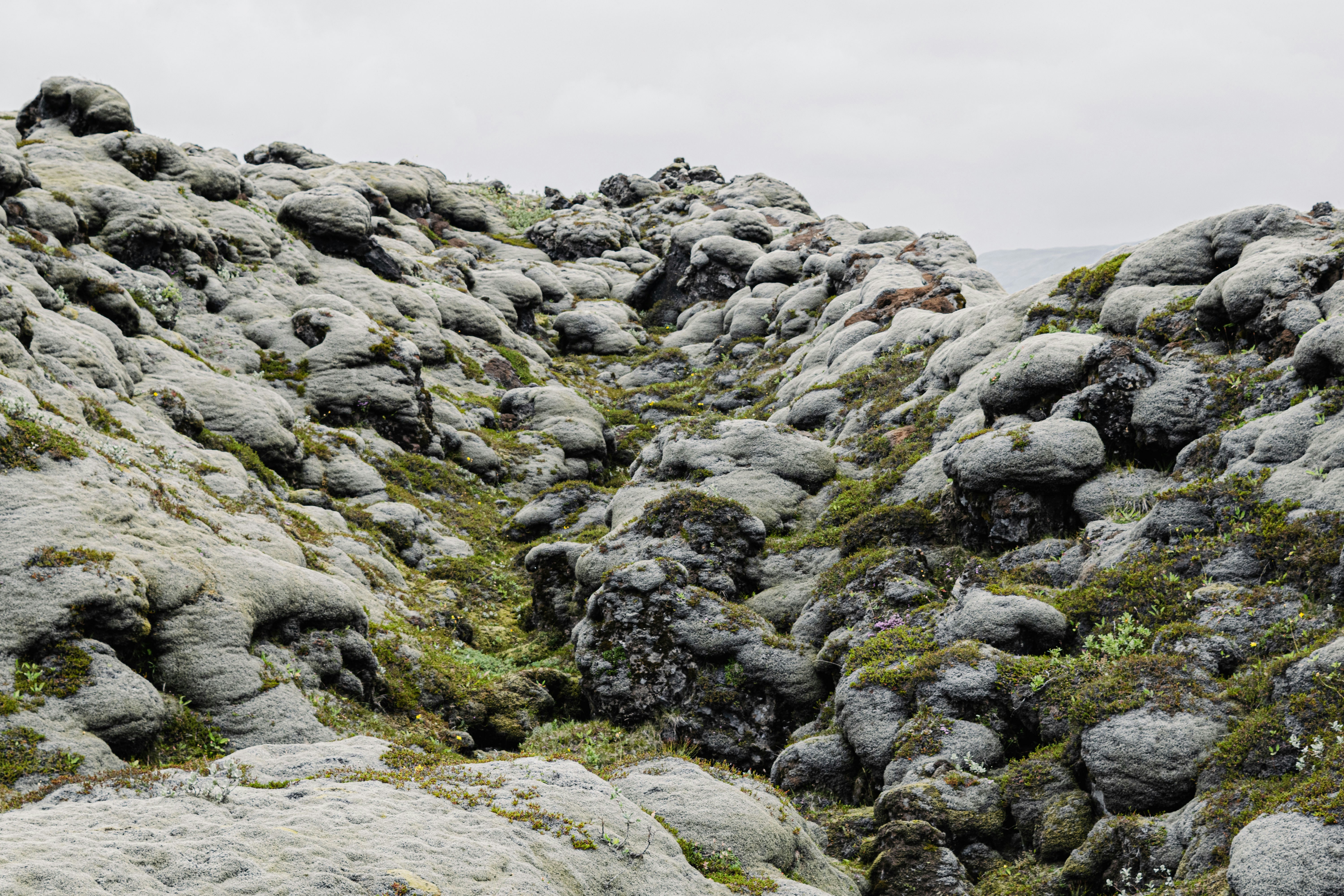
Over time, many lava fields become covered in moss, which is one of their most defining features. Iceland is home to more than 600 different moss species, many of which can survive strong winds and sub-zero temperatures. This moss grows slowly and forms a fragile ecosystem. Once damaged, it can take decades to recover, making it important to stay on marked paths.
Lava fields also support other plant life and wildlife, especially in older fields where thin soil has developed. Upon your visit, you may see:
Seasonal wildflowers growing in sheltered areas
Hardy vegetation such as lava birch
Birds nesting among lava formations
Grazing animals like sheep passing through
Together, these elements show how Iceland’s lava fields are active ecosystems that continue to change over time.
Top Iceland Lava Fields to Explore
Lava fields in Iceland vary widely in age, appearance, and accessibility. From smooth, moss-covered formations to rough, exposed rock, these areas reflect different stages of volcanic activity. Below are some of the most notable lava fields you can explore.
1. Eldhraun: Iceland’s largest lava field
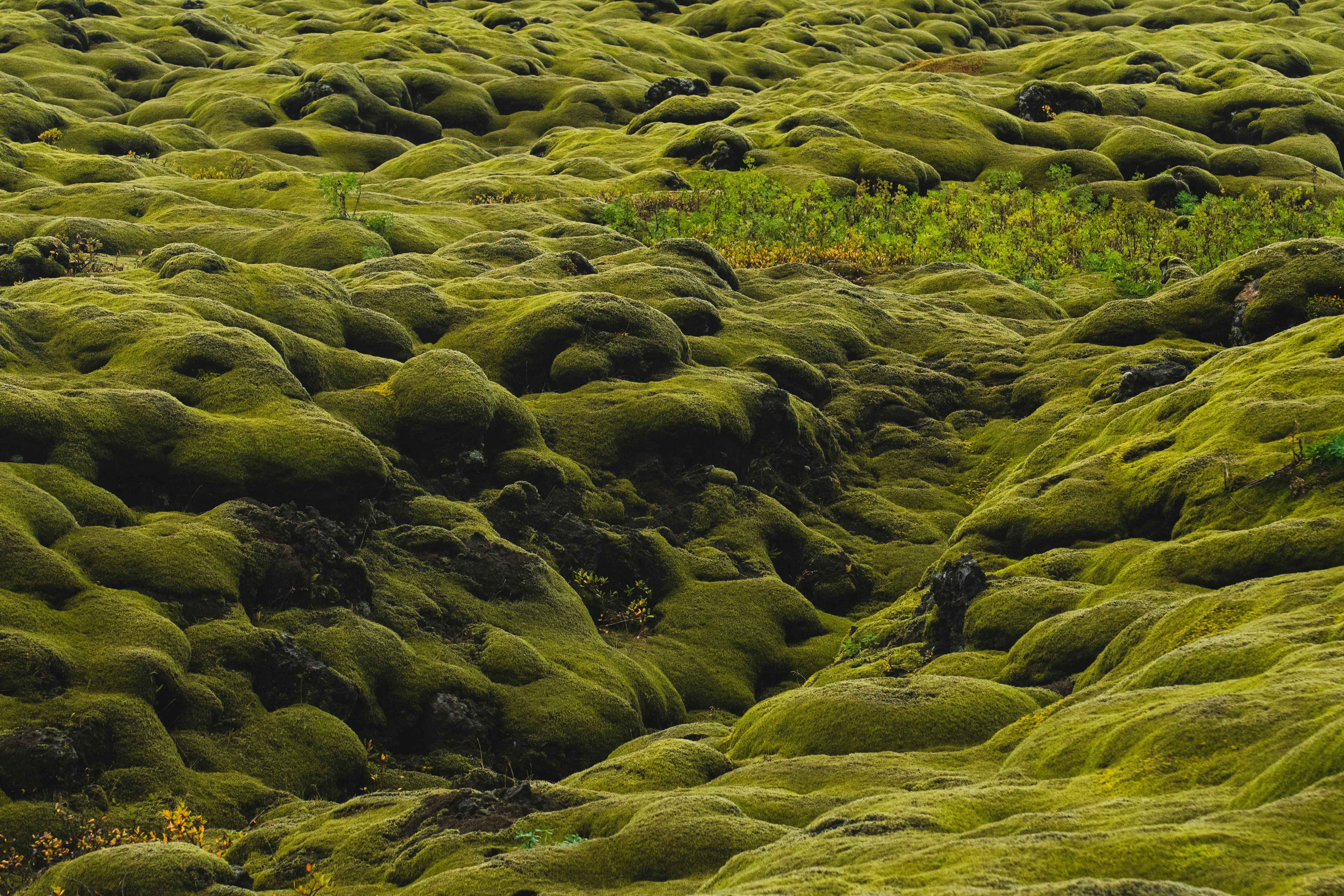
Eldhraun is one of the largest lava fields in the world, covering approximately 565 sq km (218 sq mi). It was formed during the 1783 Laki eruption, one of the most powerful volcanic events in recorded history. The eruption had severe environmental consequences, contributing to famine and widespread loss of life. Today, the hardened lava is covered in thick green moss, giving the landscape a soft, quiet, and otherworldly appearance.
Eldhraun is located near Iceland’s South Coast and is often passed when traveling between major natural sites. Parts of the surrounding volcanic landscape were also used in the 1960s to train the Apollo 11 crew. These areas, including the Askja caldera, were selected because the terrain was believed to resemble the Moon's surface.
2. Berserkjahraun: An ancient lava field
Berserkjahraun lies on the Snæfellsnes Peninsula and dates back more than 4,000 years. The lava field is made up of sharp, uneven rock, with narrow paths running through the landscape. In many areas, the lava is covered in soft moss, which contrasts with the rough volcanic surface beneath.
Berserkjahraun is closely tied to Icelandic folklore and is mentioned in the Eyrbyggja saga, one of the island’s medieval sagas. This connection adds cultural depth to the area.
3. Fagradalsfjall Lava Field: Recently cooled lava
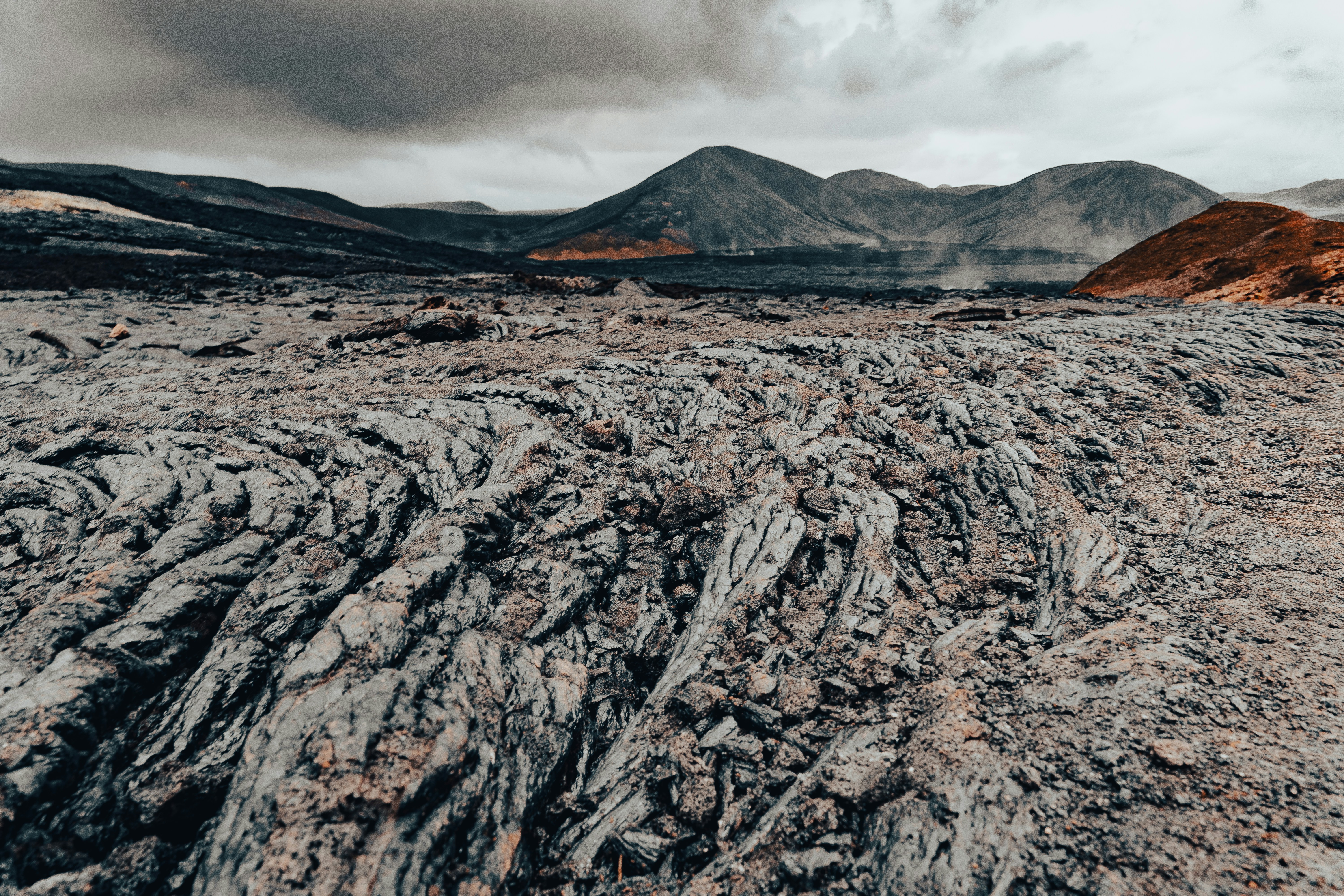
The Fagradalsfjall eruptions that began in 2021 created one of the newest accessible Iceland’s lava fields. Large areas of cooled lava remain open to visitors and offer a close look at recently formed volcanic terrain.
The lava field is easily reached from Grindavík, Keflavík Airport, and Reykjavík, making it a popular stop for travelers. Marked hiking routes lead across the area, with the longest route at about 12 km (7.45 mi). The site can be visited independently with caution or as part of a guided tour. Conditions can change quickly, so checking local safety updates before visiting is essential.
4. Sundhnúkagígar: Easily accessible fresh lava
Located on the Reykjanes Peninsula, Sundhnúkagígar is one of the newest lava formations in Iceland. The area has been shaped by a series of eruptions between 2023 and 2025. This makes it an important site for observing modern volcanic activity.
Some of the eruptions affected parts of Grindavík and reached areas near the Blue Lagoon, particularly its parking area. Despite this, access to the lava field itself has been managed carefully. Visitor access is generally straightforward, but restrictions can change depending on activity levels, like in any of Iceland’s lava fields.
5. Dimmuborgir Lava Field: Home to the Yule Lads
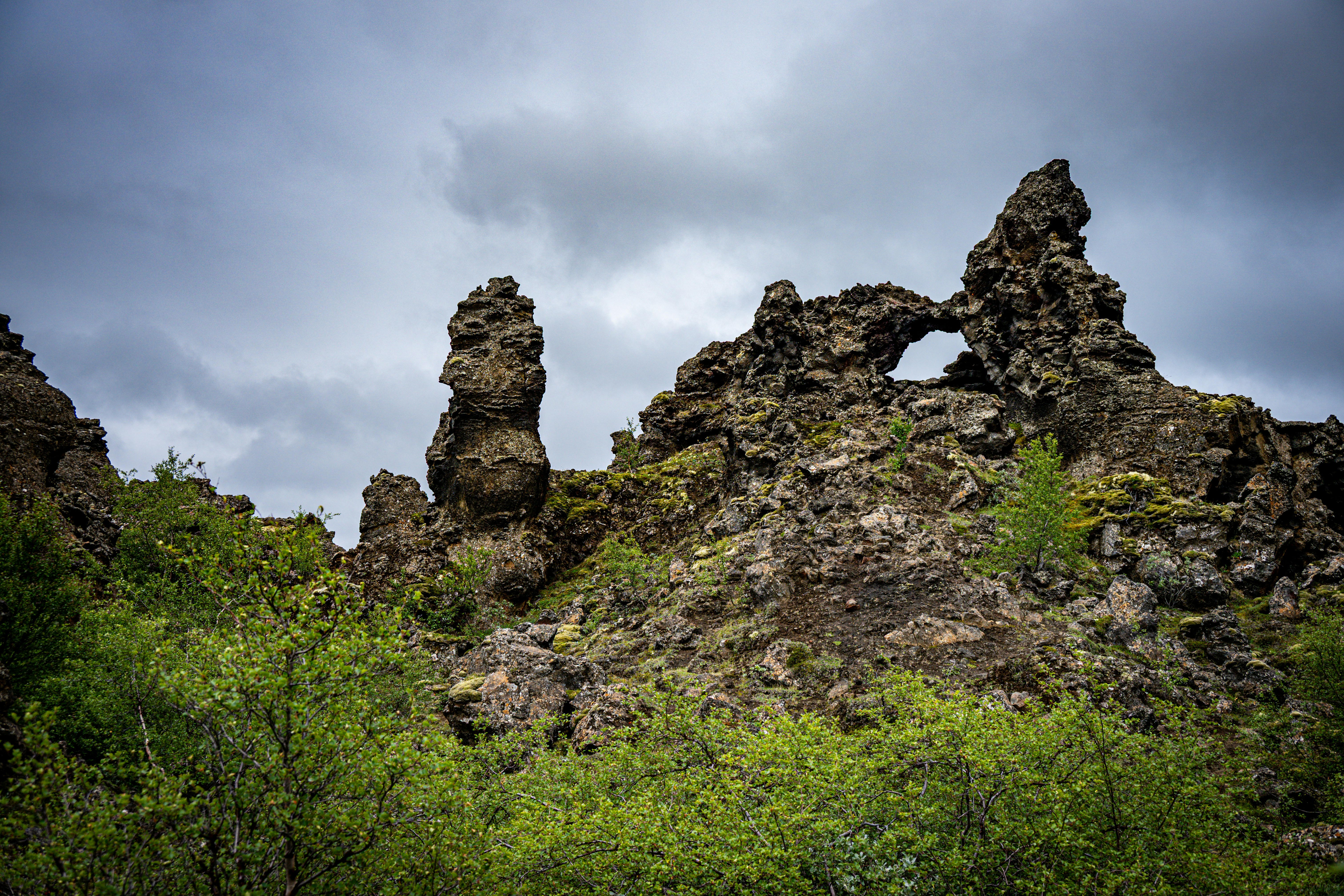
Dimmuborgir, located near Lake Mývatn, is known for its dramatic lava formations, including tall pillars, caves, and natural arches. The lava field was formed around 2,300 years ago during a volcanic eruption in the area.
According to Icelandic folklore, Dimmuborgir is home to the Yule Lads, figures associated with Icelandic Christmas traditions. Well-maintained walking paths make the area accessible and suitable for visitors of all ages.
6. Holuhraun: A Remote, Summer-only lava field
Holuhraun is also one of the fairly new Iceland lava fields, formed during a large eruption between 2014 and 2015. The eruption began along a 7-kilometer-long fissure connected to the Bárðarbunga volcanic system, producing large lava fountains.
The lava field covers approximately 85 sq km (33 sq mi). It features a rough, exposed surface ranging from small fragments to large blocks of hardened lava. Access is limited to summer months, when F-roads F905 and F910 are open. Reaching the area requires a 4WD vehicle, good weather conditions, and careful planning, as the route crosses uneven lava terrain.
Experience the Geothermal Wonders in Iceland
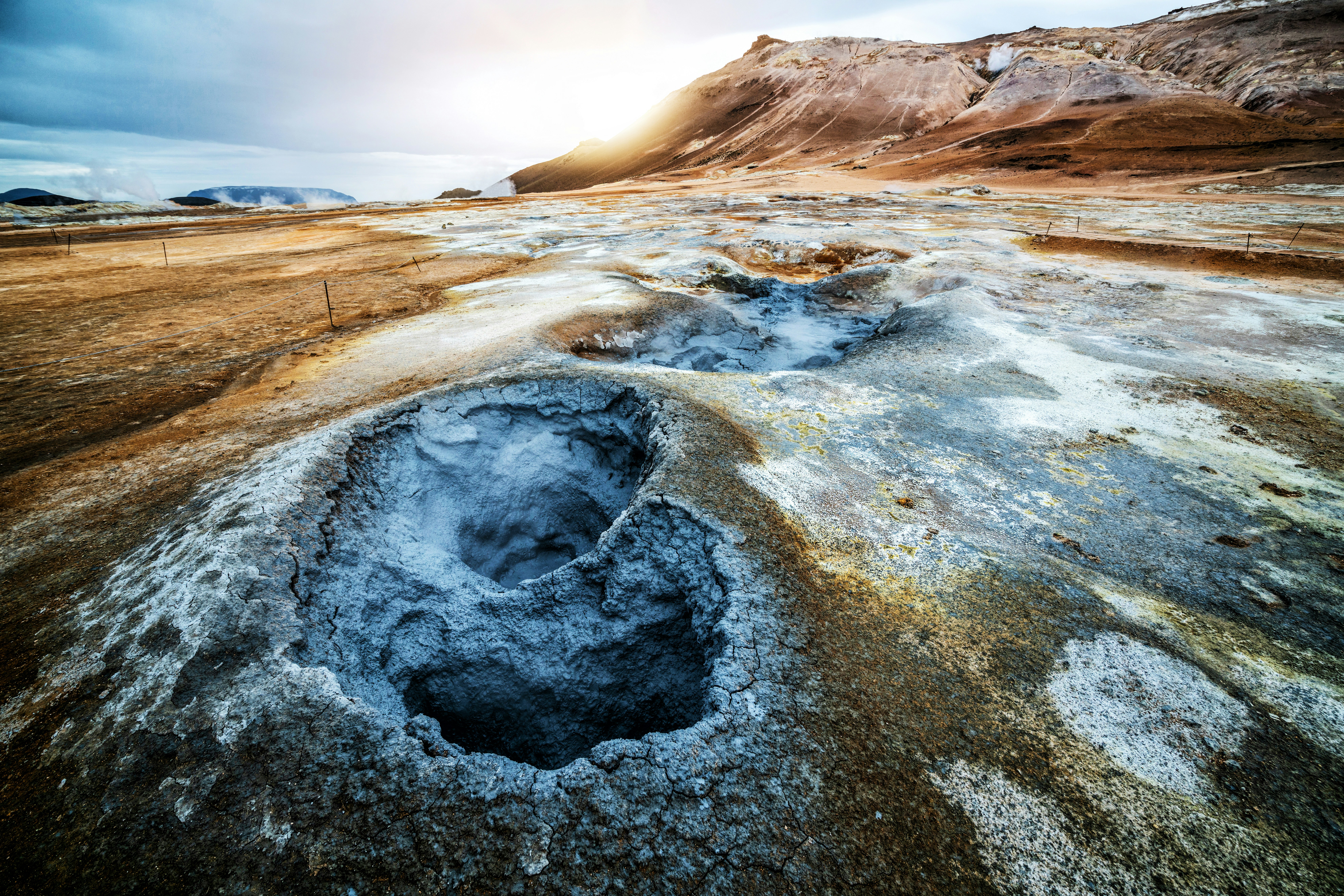
Geothermal wonders in Iceland are created by heat rising close to the Earth’s surface. This heat escapes through cracks in the ground, forming hot springs, steaming vents, geysers, and bubbling mud pools. These features are spread across the island and vary in size and intensity, depending on local geological conditions.
Visitors can experience geothermal areas in several ways. Depending on the site, you can:
Walk along boardwalks through active steam fields
Watch geysers erupt from marked viewpoints
Bath in natural or managed hot pools where permitted
In many locations, geothermal activity is visible year-round, with steam rising even during colder months. The experience is often sensory, with a noticeable sulfur smell and the sound of boiling water or escaping steam. Clear signage and designated walkways help visitors explore safely while protecting the fragile ground beneath their feet.
Top Geothermal Areas to Visit in Iceland
Iceland’s geothermal areas are easy to encounter while traveling across the country. Many are located near main routes and are accessible via marked paths, allowing visitors to observe geothermal activity safely. Below are some of the most notable geothermal areas to visit.
1. Geysir & Strokkur: A Golden Circle major stop
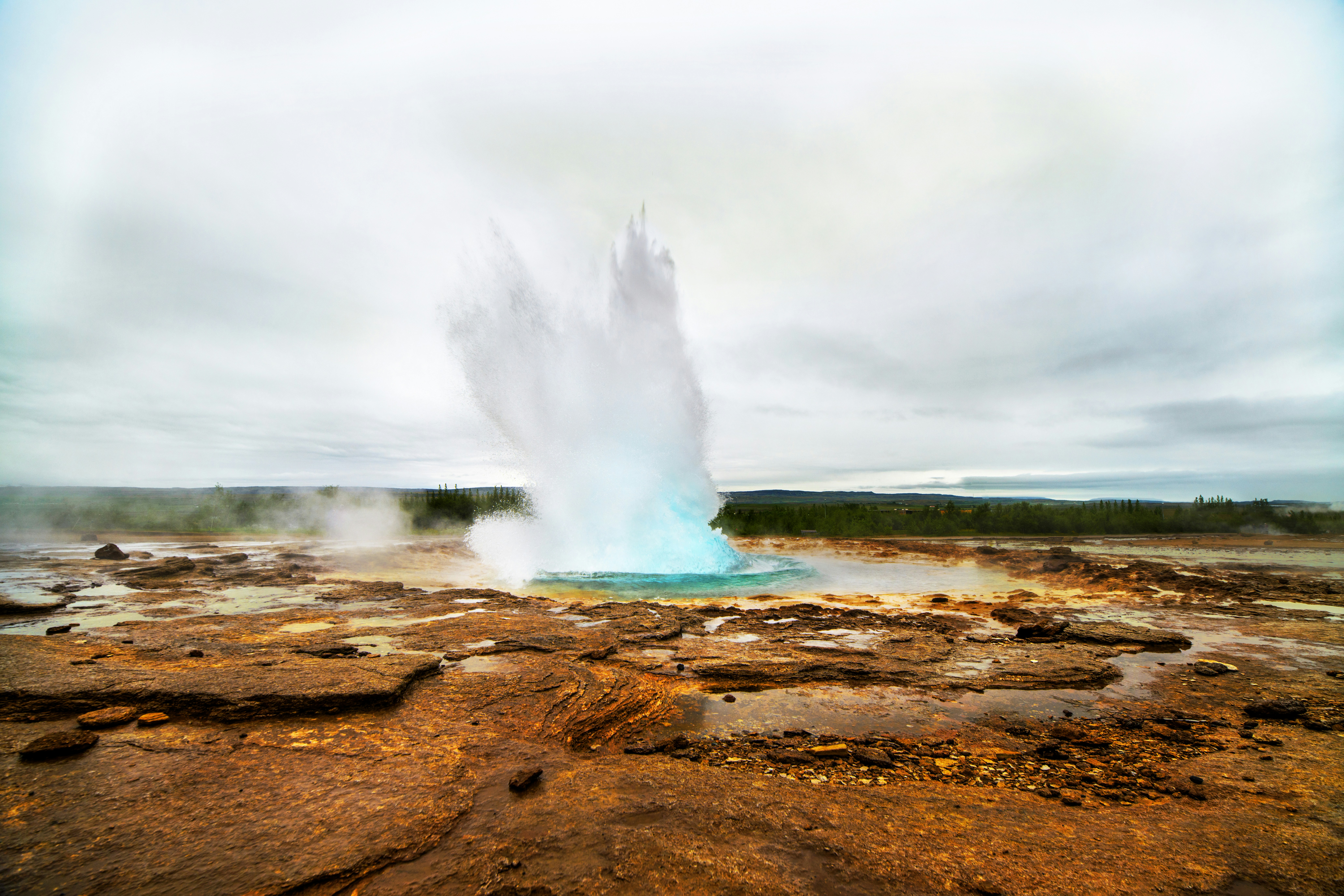
The Geysir geothermal area gave its name to geysers around the world. While Geysir itself erupts only occasionally, nearby Strokkur erupts every few minutes, sending hot water high into the air. Boardwalks and viewing areas allow visitors to observe safely. The site is one of Iceland’s most visited geothermal areas, but it is well managed and easy to navigate.
2. Hverir: The North’s iconic geothermal spot
Hverir, located near Lake Mývatn, is known for its intense geothermal activity. Boiling mud pots, steaming vents, and brightly colored ground dominate the landscape. The ground here is unstable, and the sulfur smell is strong. Visitors must stay strictly on marked paths to avoid accidents.
3. Seltún: A colorful geothermal area
Seltún, on the Reykjanes Peninsula, is known for its vivid mineral colors and active geothermal features. Steam rises from the ground, and hot springs sit close to the walking paths. Wooden walkways guide visitors through the area, making it easy to explore. Its roadside location makes Seltún a convenient short stop.
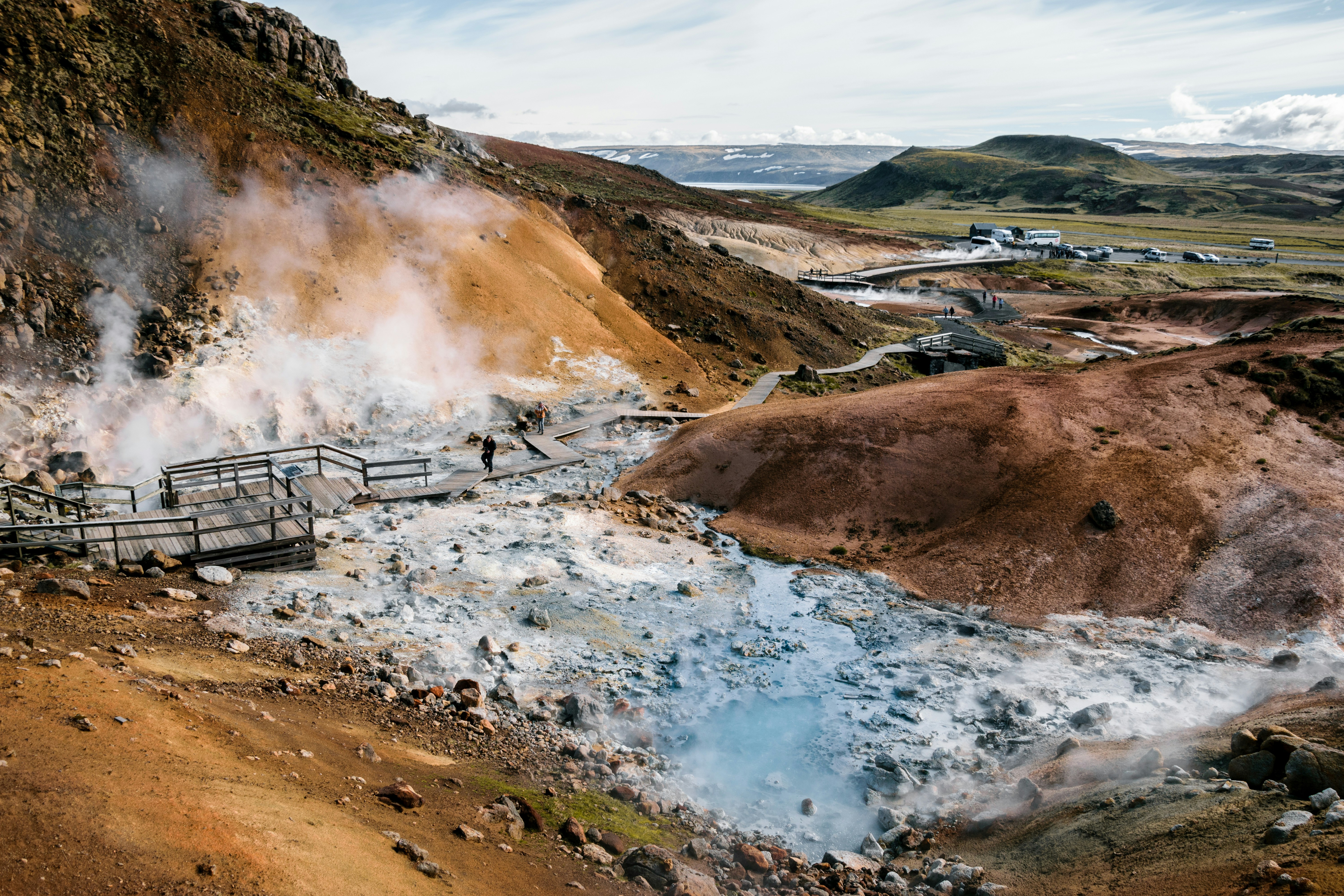
4. Gunnuhver: Roaring hot springs
Gunnuhver is one of Iceland’s most powerful geothermal areas. Large steam vents release constant pressure, creating a loud and dramatic atmosphere. The site is surrounded by safety barriers due to extreme ground temperatures. These barriers should always be respected when visiting.
5. Hveragerði: A hot spring town
Hveragerði is a town built on active geothermal ground, with heat visible in and around the surrounding hills. Walking around the town, you can spot hot springs and bubbling mud spots. Nearby hiking trails also lead to geothermal areas, including the popular Reykjadalur hot spring river. The town offers services, cafés, and walking paths, making it a practical stop when navigating Iceland’s Ring Road.
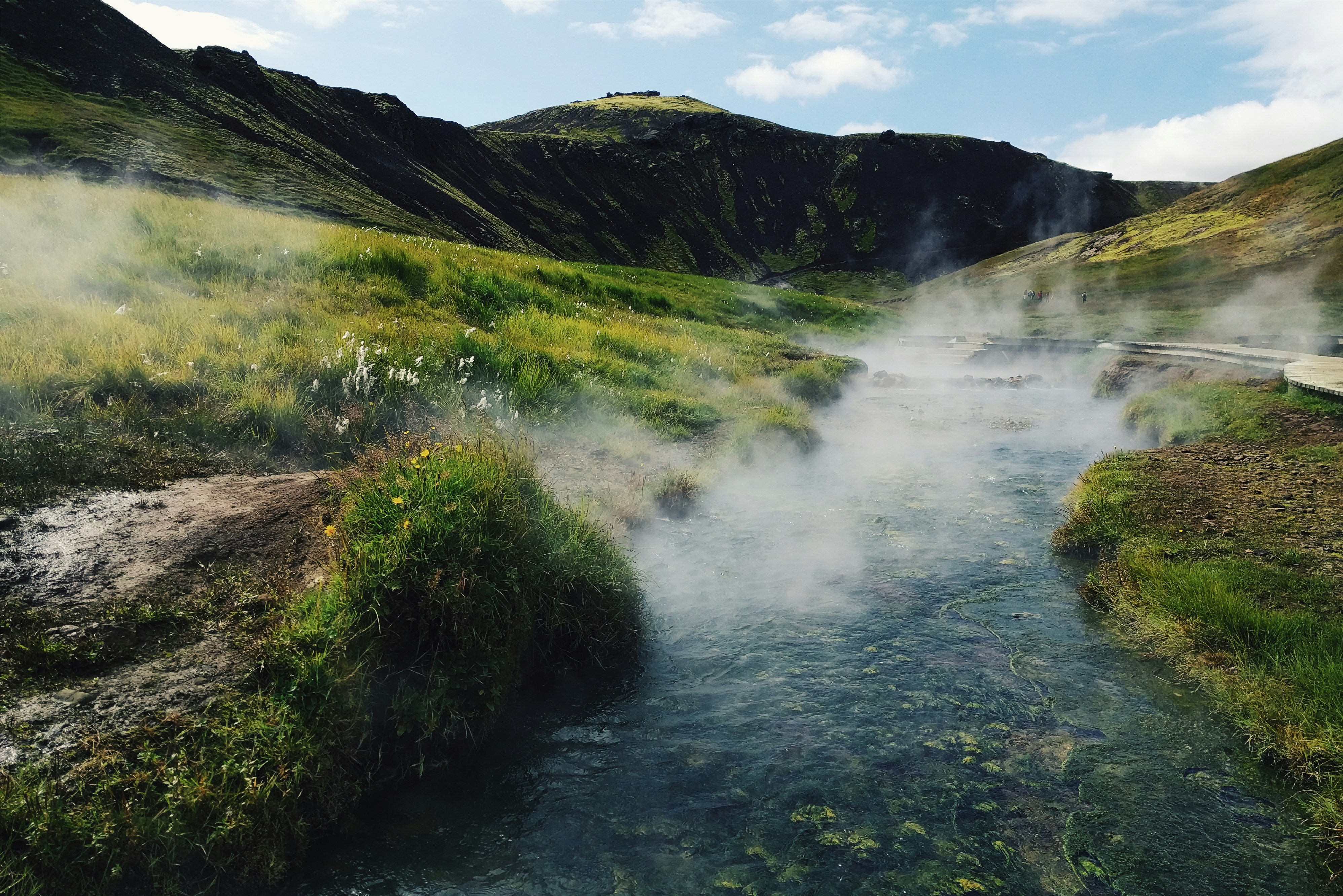
6. Hveravellir: Highlands geothermal oasis
Hveravellir sits between Langjökull and Hofsjökull glaciers in the Icelandic Highlands. The area features steaming vents and natural hot pools set within an open, remote landscape. Access is limited to the summer season and depends on road and weather conditions. As always, careful planning is required.
7. Leirhnjukur: With hot pools & steaming vents
Leirhnjúkur, located near the Krafla volcanic area, is one of Iceland’s most active geothermal zones. Boardwalks cross the site, allowing visitors to walk close to steaming vents and heated ground. Due to ongoing geothermal activity, the landscape changes frequently. Paths and viewing areas may be adjusted to reflect current conditions.
Hot Springs & Geothermal Baths in Iceland
Beyond the visual spectacle, geothermal energy invites visitors to slow down and immerse themselves. If you’re looking for a warm soak between your travels, these places are worth exploring:
Blue Lagoon: Iconic, milky-blue waters set in a lava field near Reykjavík.
Sky Lagoon: A more intimate experience inspired by Icelandic bathing traditions.
Secret Lagoon: One of Iceland’s oldest natural geothermal pools, and a secret stop on the Golden Circle.
Earth Lagoon Mývatn: A quieter geothermal bathing area in North Iceland, near Lake Mývatn.
Vök Baths: Floating geothermal pools in East Iceland, with warm water and open lake view.
Reykjadalur Hot River: A hike-in natural hot spring river for those seeking a quieter connection with nature.
These experiences balance luxury and landscape, offering warmth and reflection amid Iceland’s dramatic terrain.
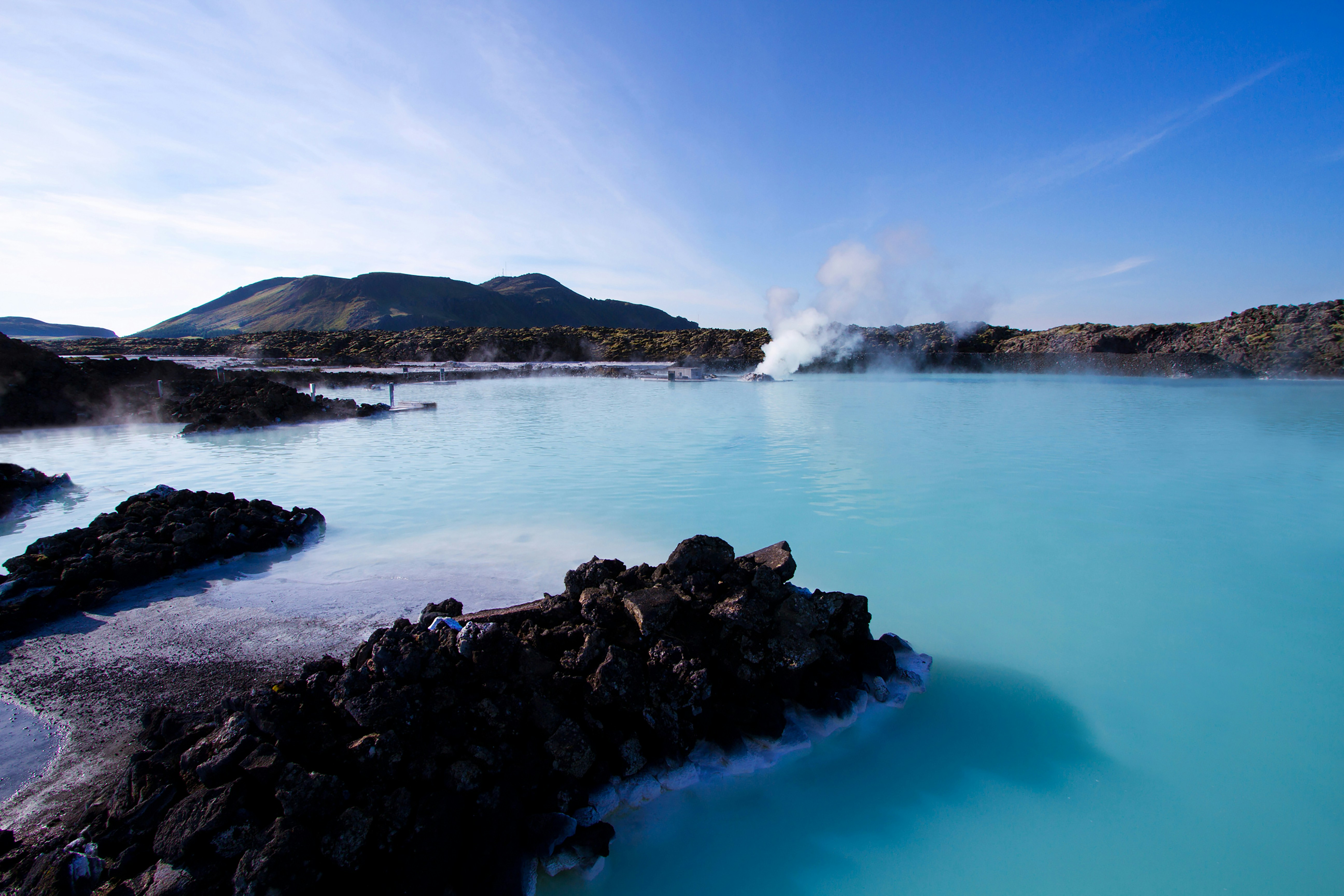
Safety Tips When Visiting Iceland’s Lava Fields & Geothermal Areas
Iceland’s volcanic landscapes are striking, but they require care and awareness. The ground can be unstable, and conditions can change quickly.
When visiting Iceland’s lava fields and geothermal wonders, keep these tips in mind:
Stay on marked paths: Unmarked lava and moss-covered areas can be unstable, and fragile moss may take decades to recover once damaged.
Use boardwalks in geothermal areas: These routes are designed to keep visitors away from dangerously hot ground and steam vents.
Avoid touching geothermal features: Hot ground, mud, and water can cause serious burns, even when they appear calm.
Check conditions before visiting: Weather and volcanic activity can affect access and safety, especially in active or remote areas. Visit SafeTravel.is for updates.
Wear proper footwear: Sturdy shoes with good grip help prevent slips on uneven lava and wet surfaces.
Following these guidelines helps protect both visitors and Iceland’s delicate natural environments.
Where to Stay Near Iceland’s Lava Fields & Geothermal Wonders
The Reykjanes Peninsula is one of the most volcanically active regions in Iceland and a hotspot for geothermal activity. Basing yourself near this area makes sense for visitors interested in experiencing Icelandic lava fields and geothermal wonders firsthand. The nearby South Coast also offers easy access to geothermal areas, black sand beaches, and major travel routes.
Staying on the South Coast allows travelers to explore Reykjanes, South Iceland, and even the Golden Circle during the day. Black Sand Hotel, located along the South Coast, works well as a base for this kind of travel. Its coastal setting provides a strong connection to Icelandic nature, while still offering convenient access to key regions.
This South Iceland hotel features:
Comfortable Scandinavian-inspired rooms and suites
Ocean view rooms overlooking the sea and sky
On-site Ómur Restaurant & Bar for relaxed evenings
Spa and wellness facilities
Whether you go west, north, or east, Black Sand Hotel makes a convenient base for exploring various landscapes in Iceland.
Explore the Otherworldly Landscapes in Iceland
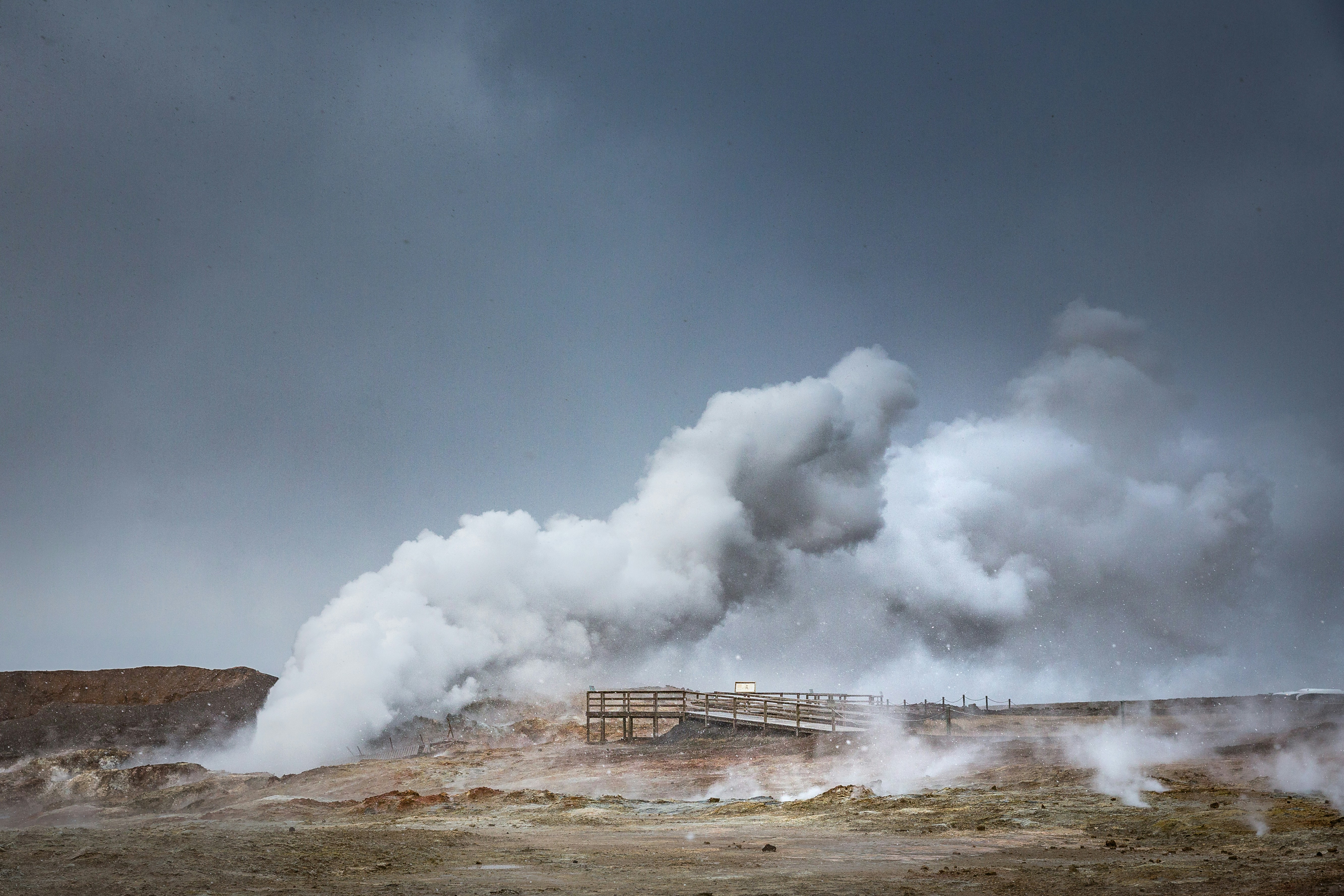
Iceland lava fields and geothermal areas offer a clear view of the natural forces that continue to shape the island. Ancient, moss-covered lava fields sit alongside newly formed landscapes and active geothermal zones, highlighting how Iceland is constantly changing.
By exploring these areas responsibly and taking time to observe closely, visitors can gain a deeper understanding of Icelandic nature. Visiting lava fields in Iceland at a slower pace allows for a safer visit and a more meaningful experience.
FAQs About Iceland Lava Fields and Geothermal Wonders
Are there lava fields in Iceland?
Yes, Iceland has countless lava fields formed by repeated volcanic eruptions over thousands of years. Many of them are spread across the island and are among the most distinctive landscapes in Iceland.
Where can I see active lava in Iceland?
Active lava can sometimes be seen during volcanic eruptions on the Reykjanes Peninsula, including areas near Sundhnúkagígar and Fagradalsfjall. Access depends on current conditions and may be restricted. Visitors should always follow official guidance and safety updates.
What is the largest lava field in Iceland?
Eldhraun is the largest lava field in Iceland. It was formed during the Laki eruption in the late 18th century and covers a vast area of southern Iceland.
Why is it illegal to take lava rocks in Iceland?
Removing lava damages protected landscapes. Many lava fields are conservation areas, and taking rocks is prohibited.
Can you walk on lava fields in Iceland?
Yes, you can walk on lava fields in Iceland with clearly marked paths. Walking on moss-covered lava causes long-term damage.
Do geothermal areas in Iceland smell like sulfur?
Yes, geothermal areas in Iceland smell like sulfur. The smell comes from hydrogen sulfide released by active geothermal activity. Some describe its smell as ‘eggy’.
Is it safe to visit Iceland's geothermal areas in winter?
Yes, visiting Iceland’s geothermal areas is safe as long as you proceed with caution, especially during icy conditions. Staying on marked paths is essential.
blogs