" transform="translate(1.334 2)" width="13.333314731408331px"/><path d="M 0 2.667 L 0 0" fill="transparent" height="2.666640000000001px" id="nlKB6m7XS" stroke-dasharray="" stroke-linecap="round" stroke-linejoin="round" stroke-width="1" stroke="rgb(255, 255, 255)" transform="translate(8 8.667)" width="1px"/><path d="M 0.167 0.167 L 0.25 0.167 M 0.333 0.167 C 0.333 0.075 0.259 0 0.167 0 C 0.075 0 0 0.075 0 0.167 C 0 0.259 0.075 0.333 0.167 0.333 C 0.259 0.333 0.333 0.259 0.333 0.167 Z" fill="transparent" height="1px" id="G0jsljuaP" stroke-dasharray="" stroke-linecap="round" stroke-linejoin="round" stroke-width="1" stroke="rgb(255, 255, 255)" transform="translate(7.834 6)" width="1px"/></svg>)
" transform="translate(4 4)" width="8px"/></svg>)
Everything You Need to Know About the Ölfus Spring in South Iceland
Iceland is known for its hot springs and geothermal lagoons. But not all of its water sources are meant for bathing. Some are hidden beneath the surface, filtered through lava that formed thousands of years ago. The Ölfus Spring in South Iceland is one of those places.
It isn’t a spa or a tourist attraction in the usual sense. Instead, it’s a powerful underground spring that has gained global attention for its purity and geological origin.
If you’re exploring the South Coast, understanding Ölfus Spring gives you a deeper appreciation of the landscape around you.
What Is the Ölfus Spring?
The Ölfus Spring is a naturally replenishing underground water source located in Sveitarfélagið Ölfus in South Iceland. Unlike Iceland’s well-known geothermal pools, this is a cold-water spring. It isn’t used for bathing, but is recognized for producing exceptionally pure, natural spring water.
What makes Ölfus Spring unique is both its scale and protection. The spring lies beneath a thick layer of lava within a 128,000-acre exclusion zone, helping preserve its purity. More than 900,000 cubic meters of its water also flow into the ocean each day. This makes it one of the largest known natural springs in the world.
Fun fact: The daily overflow of Ölfus Spring is estimated to exceed twice the total volume of bottled water consumed globally.
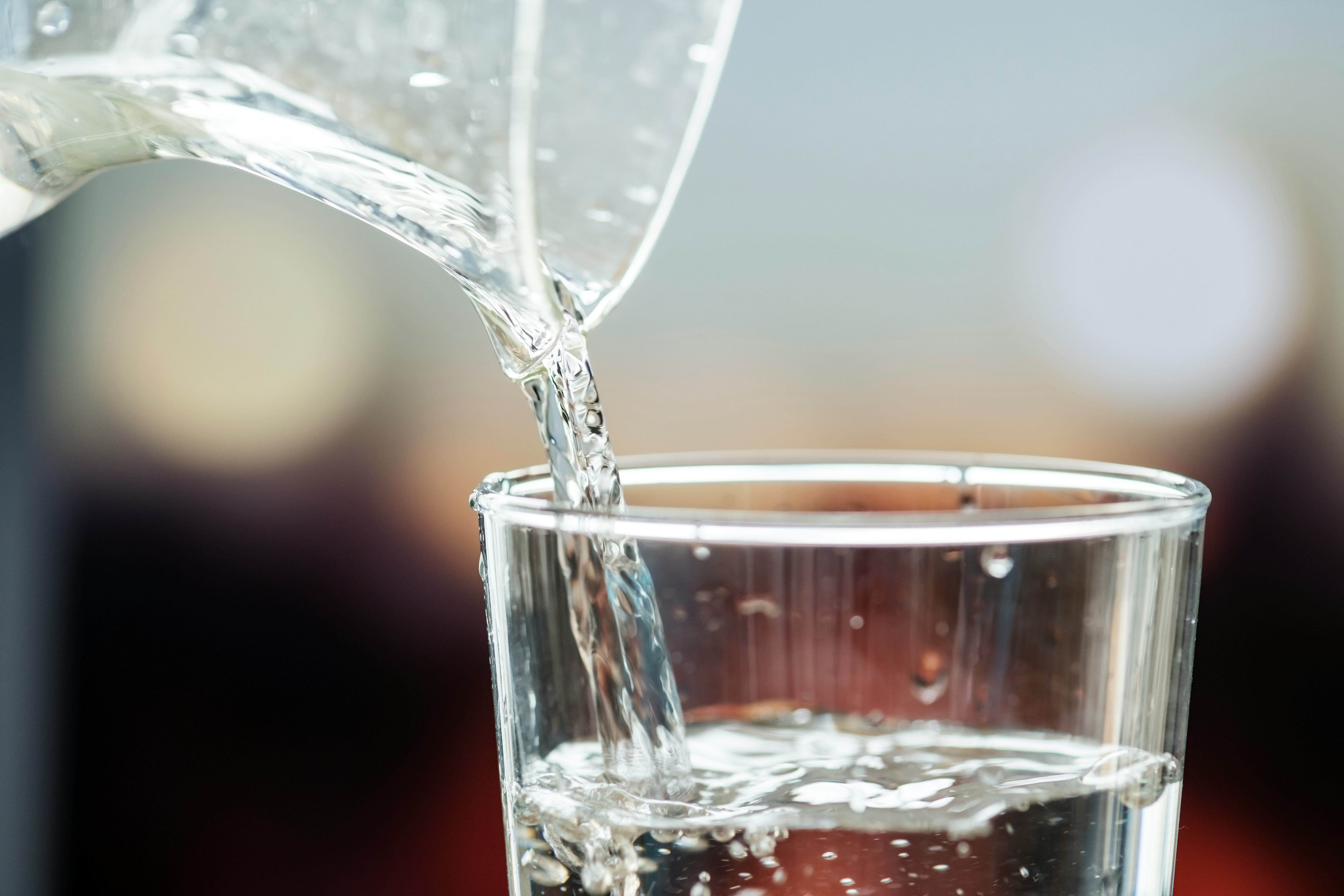
The water is naturally alkaline with a pH of 8.4. It also has a low Total Dissolved Solids (TDS) of 62 parts per million, giving it a clean, crisp taste. Thanks to these qualities, the Ölfus Spring is the source of Icelandic Glacial, a bottled water brand exported worldwide.
A Natural System Shaped Over 5,000 Years
The origins of the Ölfus Spring can be traced back to a volcanic eruption around 5,000 years ago. During this period, lava spread across the region and cooled into thick, porous rock. These Icelandic lava fields now act as a natural underground filtration system.
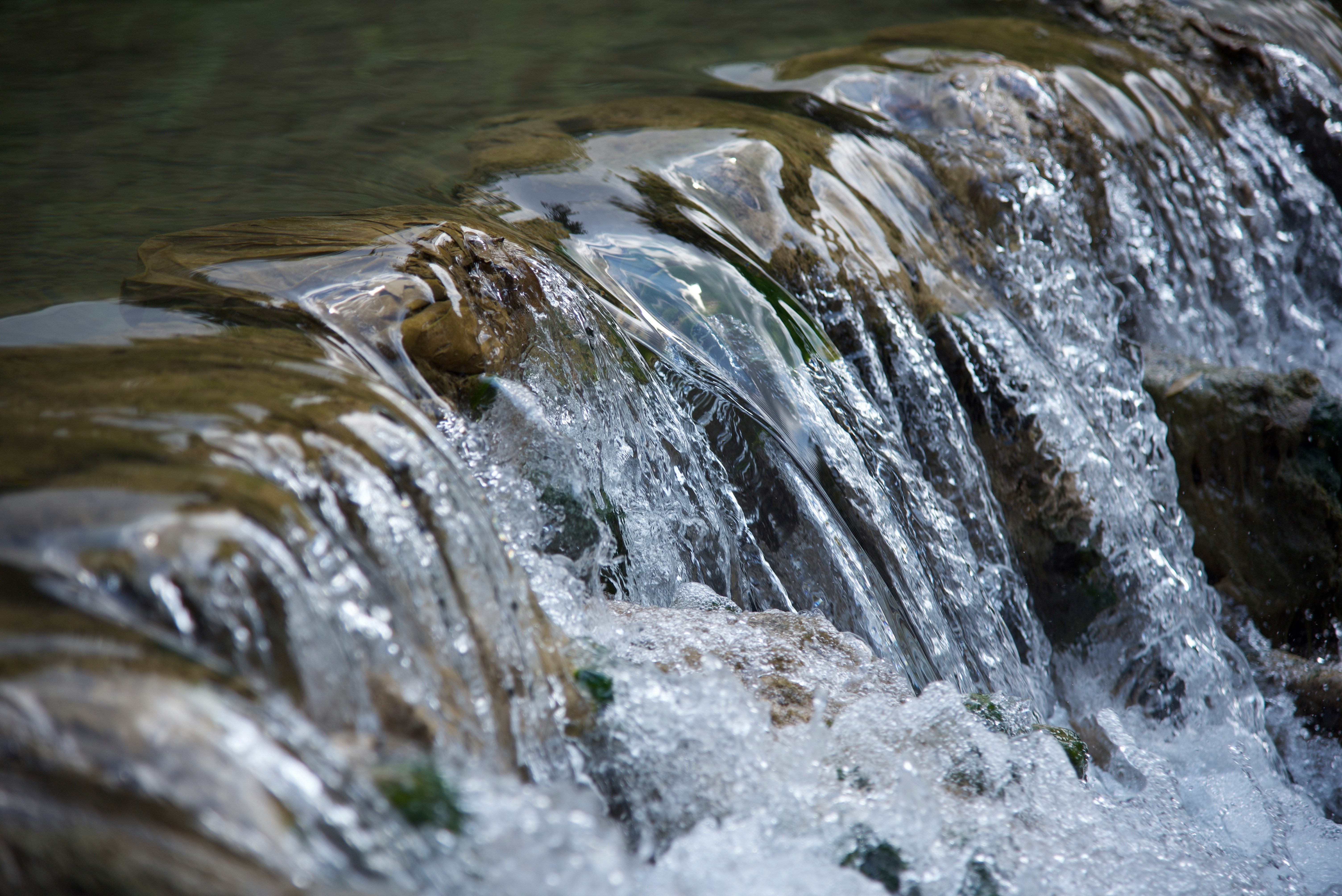
Rainfall and snowmelt seep into the ground and begin a slow journey through this volcanic landscape. As the water moves through layers of rock, impurities are naturally removed.
This process happens gradually over time, and it results in water that is:
Low in minerals
Naturally filtered through volcanic rock
Protected from surface contamination
Consistently clean in taste and quality
This interaction between volcanic activity and water is a defining feature of Icelandic nature. The same eruption that shaped the land also created the conditions for one of the world’s most remarkable underground water sources.
Where Is Ölfus Spring Located?
The Ölfus Spring is located in the Ölfus municipality in South Iceland. This area sits along the southwestern coastline, just about 50 km (31 miles) from Reykjavík. It’s close to the coastal town of Þorlákshöfn, which serves as a small hub for the region.
This part of the South Coast feels quieter than more famous stops like Vík or even Selfoss. It offers a more open and less crowded experience of Icelandic nature.
Is Ölfus Spring a Hot Spring?
No, the Ölfus Spring in Iceland isn’t a hot spring. It’s a cold underground spring where the bottled water brand Icelandic Glacial is sourced.
The spring is also protected. It isn’t developed for tourism and isn’t open to the public as a bathing area.
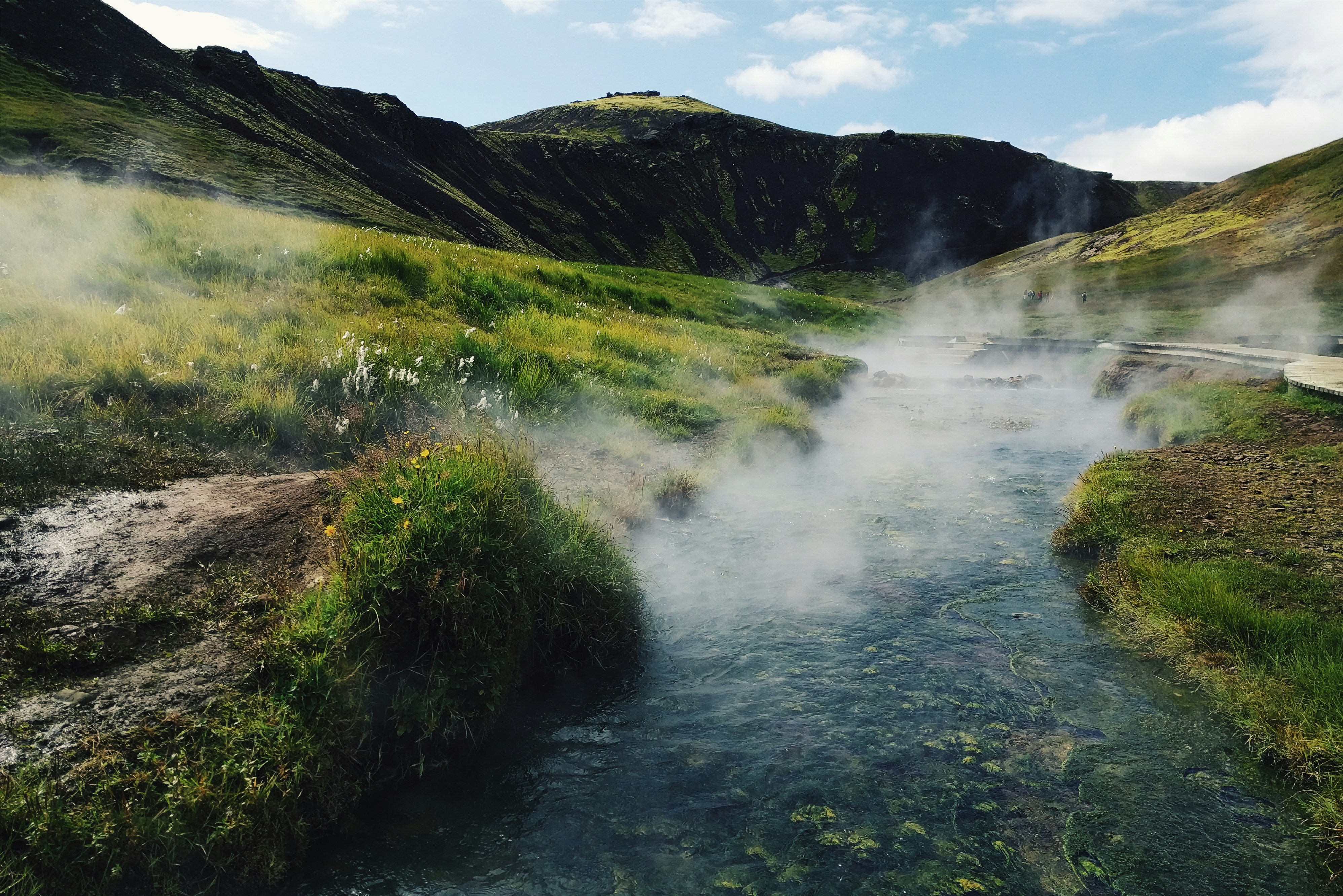
If you’re looking for a hot spring experience nearby, there are other options along the South Coast. One of the most popular is Reykjadalur Valley, where you can hike to a naturally warm river.
Can You Visit the Ölfus Spring in Iceland?
The spring itself isn’t accessible to the public. It’s protected and used for water production. There are no viewing platforms, trails, or bathing areas directly connected to it.
However, that doesn’t mean the area lacks experiences. You can find plenty of things to see and do in Ölfus, including:
Horseback riding
Hiking and biking
Exploring lava fields and caves
Visiting black sand beach beaches
Even though you may not see the spring directly, you’re experiencing its impact in a global way.
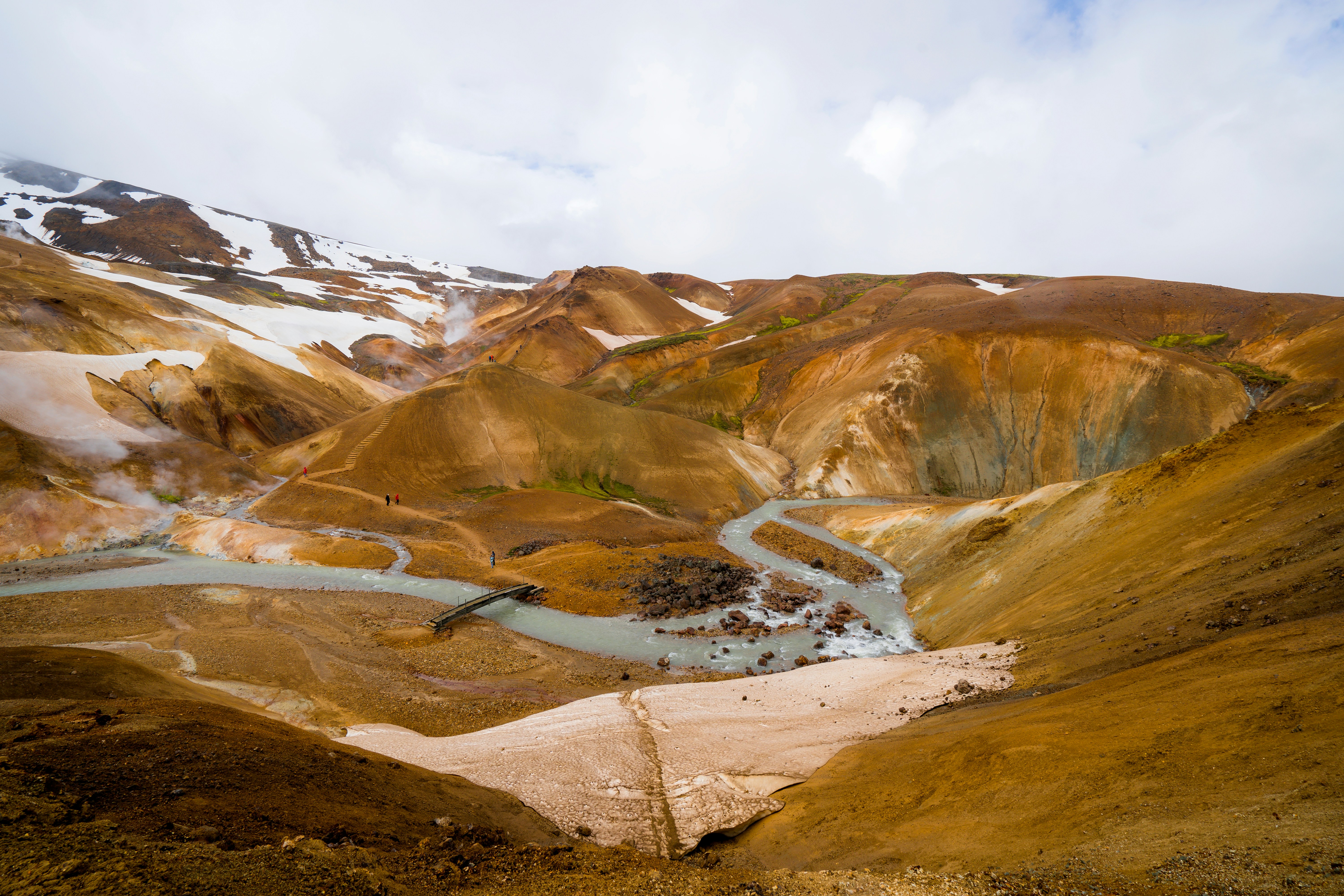
If you want to visit hot springs, the region is also rich in geothermal wonders. Some of the places you can visit are the Hveradalir Geothermal Area, Hverahlíð Hot Springs, and Hveragerði Geothermal Park.
The municipality is also conveniently connected to the Reykjanes Peninsula, the Golden Circle route, and Iceland’s South Coast.
Travel Tips for Visitors Staying in the Ölfus Region
Planning your visit helps you get more from the area, even if the spring itself is not accessible. Here are some things to keep in mind:
Combine it with a South Iceland trip: Ölfus fits naturally into a South Iceland itinerary. You can explore waterfalls, black sand beaches, and coastal towns in one trip.
Dress for changing weather: Conditions can shift quickly. Bring layers and waterproof clothing, even in summer.
Respect protected areas: Ölfus Spring is part of a much larger sensitive natural system. When exploring lava fields in the region, stick to marked paths and avoid restricted zones.
Choose a comfortable base: Staying along Iceland’s South Coast gives you better access to nearby attractions.
A South Coast hotel near the ocean offers a quiet place to return after a day of exploring. Many travelers look for a coastal retreat where they can slow down and enjoy the surroundings.
At a place like Black Sand Hotel, you can enjoy:
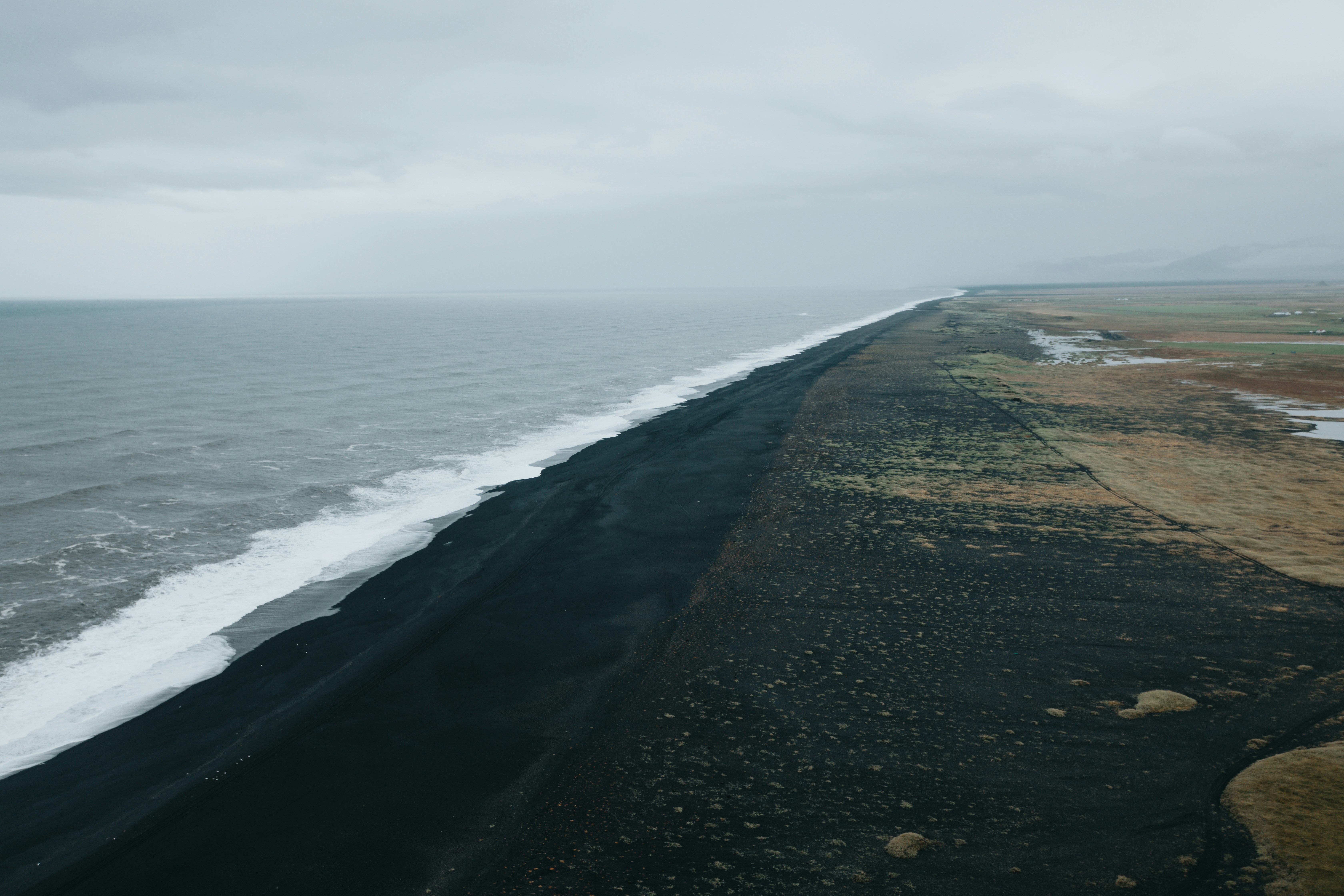
Views of a black sand beach and open sea
Comfortable Scandinavian-inspired rooms
On-site ÓMUR Restaurant and spa facilities
Easy access to South Iceland’s top attractions
After a day of Icelandic adventure, having an ocean-view room or a warm space to unwind is especially rewarding.
Why Ölfus Spring in Iceland Matters
You may never stand directly beside the Ölfus Spring, but it’s still part of your experience in South Iceland. It represents how Iceland works beneath the surface. How volcanic landscapes can create something that becomes globally known, as seen through its connection to Icelandic Glacial.
The Ölfus Spring is a reminder that not everything in Iceland is visible. Some of its most important features are hidden underground, working quietly over time. And that’s part of what makes Icelandic nature so compelling.
FAQs
Where is Ölfus Spring in Iceland?
Ölfus Spring is located in the Ölfus municipality in South Iceland, about 50 km (31 miles) southeast of Reykjavík. It sits near the coastal town of Þorlákshöfn.
Is Icelandic Glacial water actually from Iceland?
Yes, Icelandic Glacial water comes from the Ölfus Spring in Iceland. It’s sourced from a naturally protected underground spring.
Is Icelandic Glacial water worth it?
It depends on preference. Icelandic Glacial is known for its purity and clean taste. But tap water in Iceland is already of high quality and safe to drink.
Is Icelandic Glacial water good for you?
Yes, Icelandic Glacial water is clean, safe, and low in minerals, making it easy to drink. However, it offers no special health benefits beyond regular high-quality drinking water.
Why should tourists avoid drinking bottled water while in Iceland?
Iceland’s tap water is among the cleanest in the world and is safe to drink. Choosing tap water helps reduce plastic waste and is more sustainable.
What is the #1 healthiest water to drink?
There is no single “healthiest” water. The best choice is clean, safe drinking water that you enjoy and can drink regularly, whether it’s tap, spring, or filtered.
Which country has the tastiest water?
Taste is subjective, but countries like Iceland, Switzerland, and Norway are often praised for their clean, fresh-tasting water. Their natural filtration systems contribute to this reputation.
blogs