" transform="translate(1.334 2)" width="13.333314731408331px"/><path d="M 0 2.667 L 0 0" fill="transparent" height="2.666640000000001px" id="nlKB6m7XS" stroke-dasharray="" stroke-linecap="round" stroke-linejoin="round" stroke-width="1" stroke="rgb(255, 255, 255)" transform="translate(8 8.667)" width="1px"/><path d="M 0.167 0.167 L 0.25 0.167 M 0.333 0.167 C 0.333 0.075 0.259 0 0.167 0 C 0.075 0 0 0.075 0 0.167 C 0 0.259 0.075 0.333 0.167 0.333 C 0.259 0.333 0.333 0.259 0.333 0.167 Z" fill="transparent" height="1px" id="G0jsljuaP" stroke-dasharray="" stroke-linecap="round" stroke-linejoin="round" stroke-width="1" stroke="rgb(255, 255, 255)" transform="translate(7.834 6)" width="1px"/></svg>)
" transform="translate(4 4)" width="8px"/></svg>)
A Traveler’s Guide to Sveitarfélagið Ölfus
Ölfus is a coastal municipality in southwest Iceland, located between Reykjavík and the South Coast. Centered on the town of Þorlákshöfn, it serves as both a fishing hub and a transport link within the region. Despite its position between two major destinations, Ölfus remains relatively quiet. It offers a more practical and less crowded alternative to the areas most travelers visit.
This sveitarfélagið Ölfus travel guide explores the region as a whole, from its towns and infrastructure to its culture and landscape. For travelers, it offers a more grounded perspective on Icelandic nature and coastal life.
A Brief Overview of Ölfus Region
Sveitarfélagið Ölfus stretches across coastal areas, open plains, and volcanic terrain, blending natural features with working infrastructure and residential communities. It’s bordered by Ingólfsfjall Mountain to the west and the Ölfusá River to the east.
Located between Reykjavík and South Iceland, it serves as an important link along the main travel route. Major roads pass through the municipality, connecting travelers to well-known destinations further along the coast.
This location offers a practical advantage, especially for travelers. Ölfus provides easy access to the South Coast while remaining relatively low in tourism compared to nearby regions. Plus, it allows for a quieter stay without feeling remote or disconnected.
For a deeper look into this coastal region, continue reading the Sveitarfélagið Ölfus travel guide below.
Þorlákshöfn and Beyond: The Towns of Ölfus
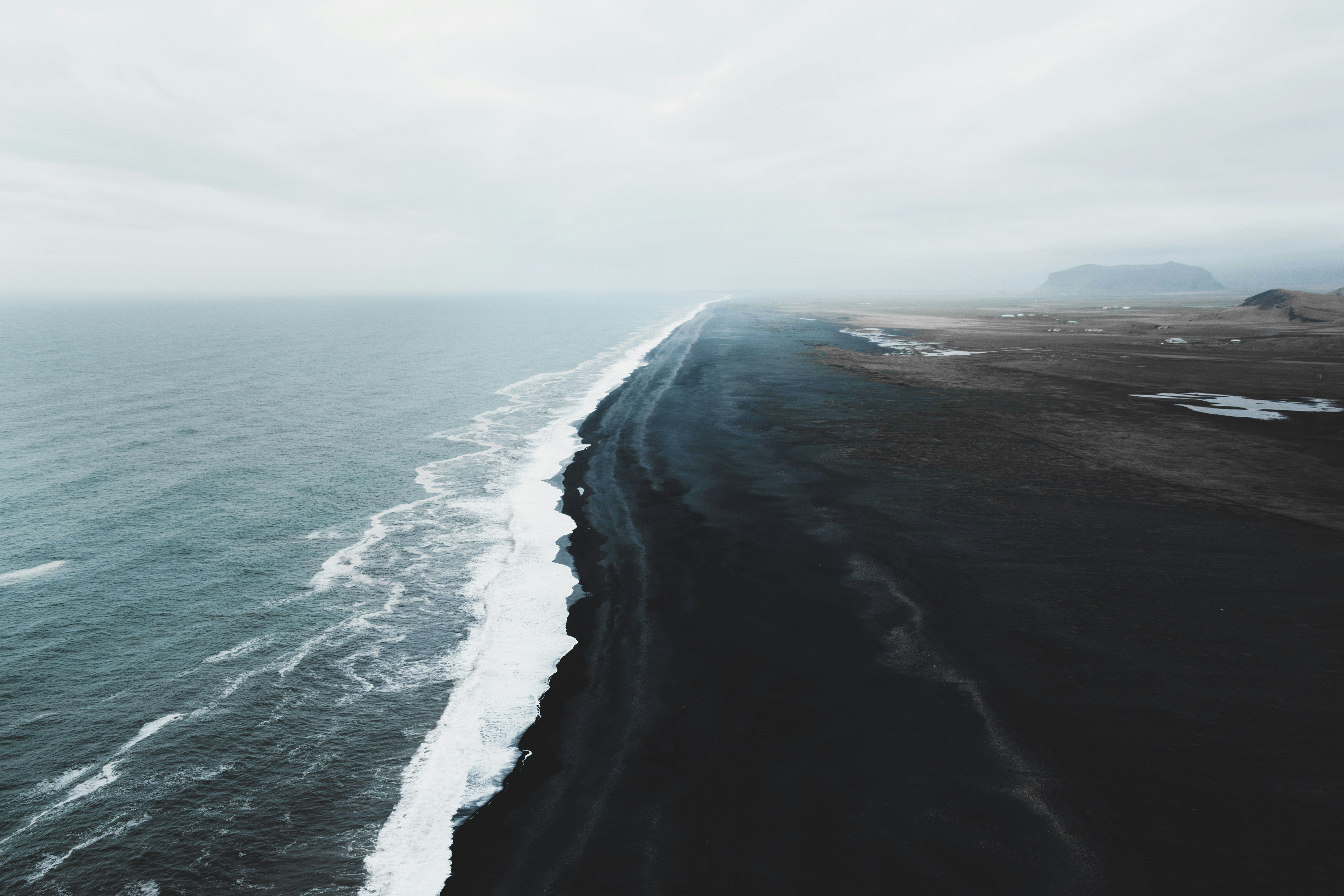
Þorlákshöfn is the main town in Ölfus, built around its harbor and fishing industry. Boats move in and out throughout the day, and processing facilities operate nearby. More than 2/3 of Ölfus’ residents live here. And that means it's where you can find most of the region's travel-related infrastructure and services. It’s also the best town to base yourself if you want to explore quieter black sand beaches or surf in Iceland.
Away from the coast, the municipality becomes more spread out. Farms, individual homes, and small clusters of buildings sit across open land, with long stretches of road in between.
Some of the smaller towns you’ll find around Sveitarfélagið Ölfus are:
Árbæjarhverfi – A residential area set inland along the Ölfusá River, quieter and more removed from the coast. It offers a convenient base for exploring the Ölfusa Overlook and the nearby town of Selfoss.
Kotströnd – A small settlement along Route 1, known for Kotstrandarkirkja. It’s just a few minutes’ drive away from Hveragerði, where you can find some of Iceland’s best geothermal wonders.
Infrastructure and Transport in Ölfus
Ölfus sits along the southwestern part of Iceland’s Ring Road, so getting in and out of the area is straightforward. Most travelers pass nearby at some point, whether heading east or returning to the capital.
The region is connected through a few key routes:
Route 1 (Ring Road) runs through Ölfus, linking it directly to Reykjavík and towns further along the South Coast
Strætó bus routes connect Þorlákshöfn to Hveragerði on weekdays, with onward travel to Reykjavík and Selfoss
Þorlákshöfn harbor serves as an alternative ferry point to the Westman Islands
In Þorlákshöfn, everything you need is within a short distance. The town is small, and services are easy to find:
Fuel stations, a supermarket, and a handful of restaurants
A public swimming pool and sports center, used daily by locals
Accommodation options in and around the area
Fun fact: The Icelandic Glacial bottled water factory is located in Ölfus, near the Ölfus Spring where its water is sourced.
What stands out is how outdoor spaces are built into the town rather than set apart from it. Along the coast of the main town, you’ll find:
Scenic coastal walking paths
A golf course and a frisbee golf course
A motorsport track and a mountain bike training park
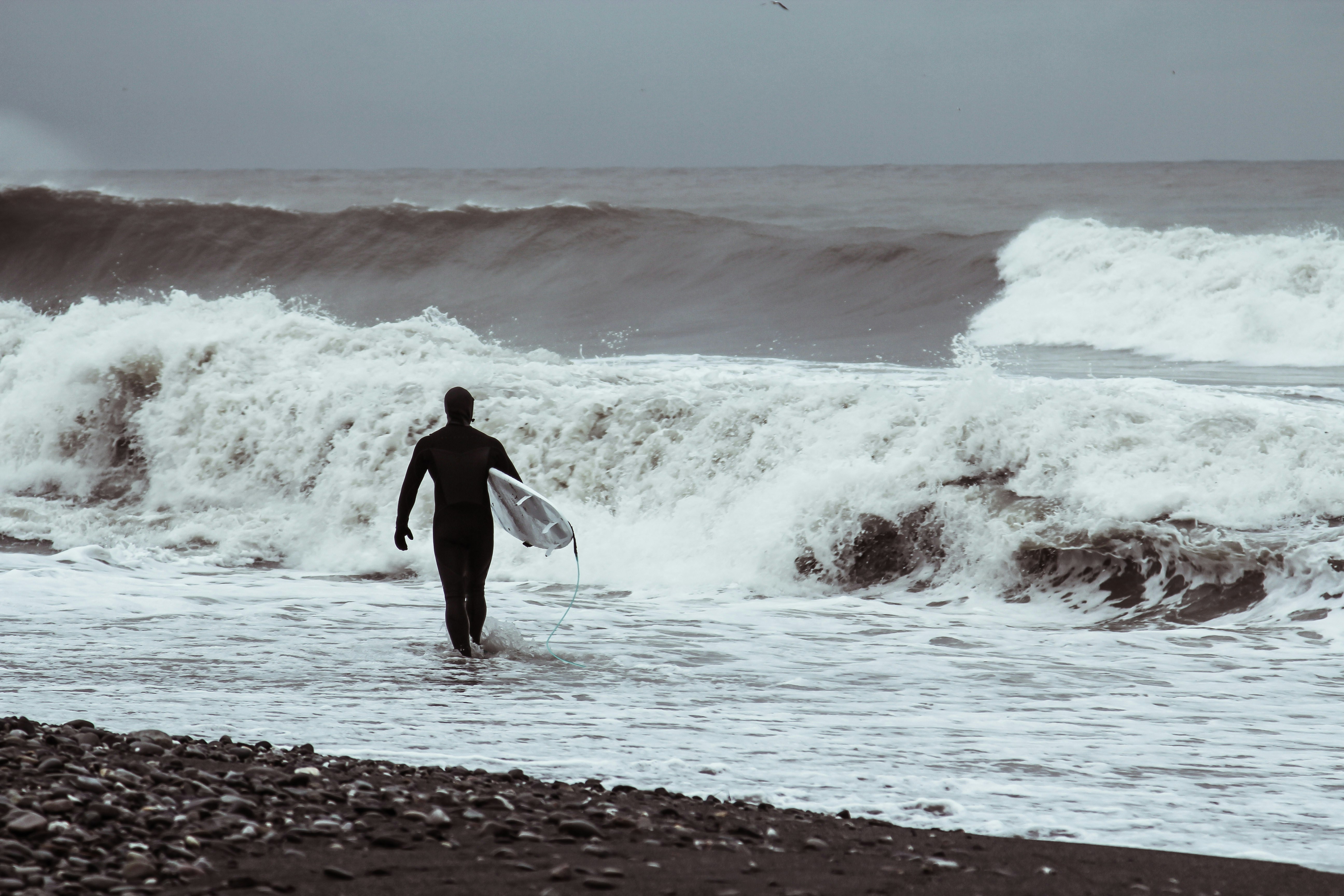
Thorli Beach, where steady swells occasionally draw surfers
Places to stay on Iceland’s South Coast follow the same approach. They are simple, functional, and closely tied to the surroundings. Some properties, such as Black Sand Hotel, sit near the shoreline, offering views of black sand beaches and the open sea. They offer a quiet place to return to after a day of travel, without feeling removed from the environment.
Overall, Sveitarfélagið Ölfus is easy to move through and easy to stay in. It works as both a point along the route and a place to slow down.
Culture and Community in Ölfus
Life in Ölfus moves at a steady, local pace. In Þorlákshöfn, daily activities center on work, school, and shared spaces. Thanks to the town's small size (with just over 2,000 residents), everything feels close and familiar.
The local swimming pool, Sundlaug Þorlákshafnar, is one of the most social places in town. Like in many parts of Iceland, it’s where people meet, unwind, and catch up. Sports and outdoor activities are also part of everyday routines, especially for younger residents.
Fishing remains an important part of the area’s identity. It influences both the local economy and the rhythm of the town, particularly along the harbor.
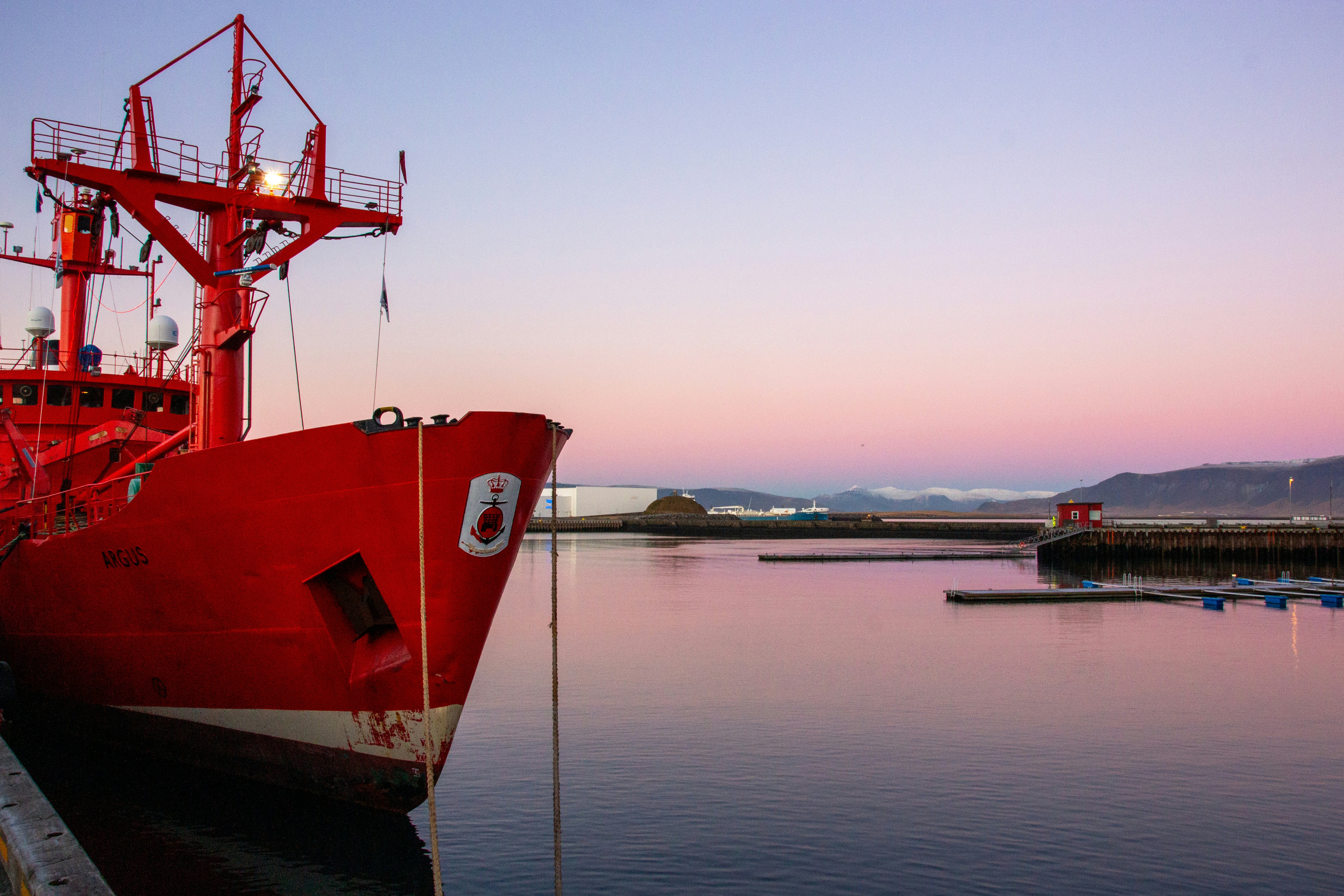
If you’re staying in the area, these local events and spaces offer a closer look at life in Ölfus:
Happiness by the Sea Festival – Held around the second week of August, with music by the harbor, local markets, and fireworks in the evening
Gallery Under the Stairs – A small monthly exhibition beneath the stairs of the Ölfus Town Library, easy to miss but worth stepping into
Life in the Deep – A town hall exhibition featuring fish, shells, and deep-sea creatures, including a preserved sunfish caught in Þorlákshöfn in 2004
The Ornamental Garden is another key area for community life. In October, it becomes part of the short-day “Þollóween” festival, with spooky lights and people in costume. In winter, the same space turns into a Christmas garden, decorated with bright seasonal lights.
These events are small and community-led. They offer visitors a way to experience local culture through everyday spaces rather than larger venues or organized attractions.
Landscape as Part of Daily Life
In Sveitarfélagið Ölfus, the landscape is the highlight. The region features black sand beaches, lava fields, lava tubes, geothermal areas, rivers and lakes, and wide-open plains. As part of Iceland’s active volcanic zone, earthquakes are relatively common. Some visible damage from past events, including those in 1706 and 1896, can still be seen in the area.
In Þorlákshöfn, the coastline is close to the town. You can reach the shore within minutes, and the ocean is visible from different parts of the area. Weather changes are noticeable here, especially along the coast, where wind conditions can shift quickly.
A short drive inland, the surroundings change. The land opens into moss-covered lava fields, with long stretches of road and few buildings in between. The Ölfusá River runs along the eastern side, forming a natural boundary. Areas near the river tend to be marshy, becoming drier as you move closer to the mountains.
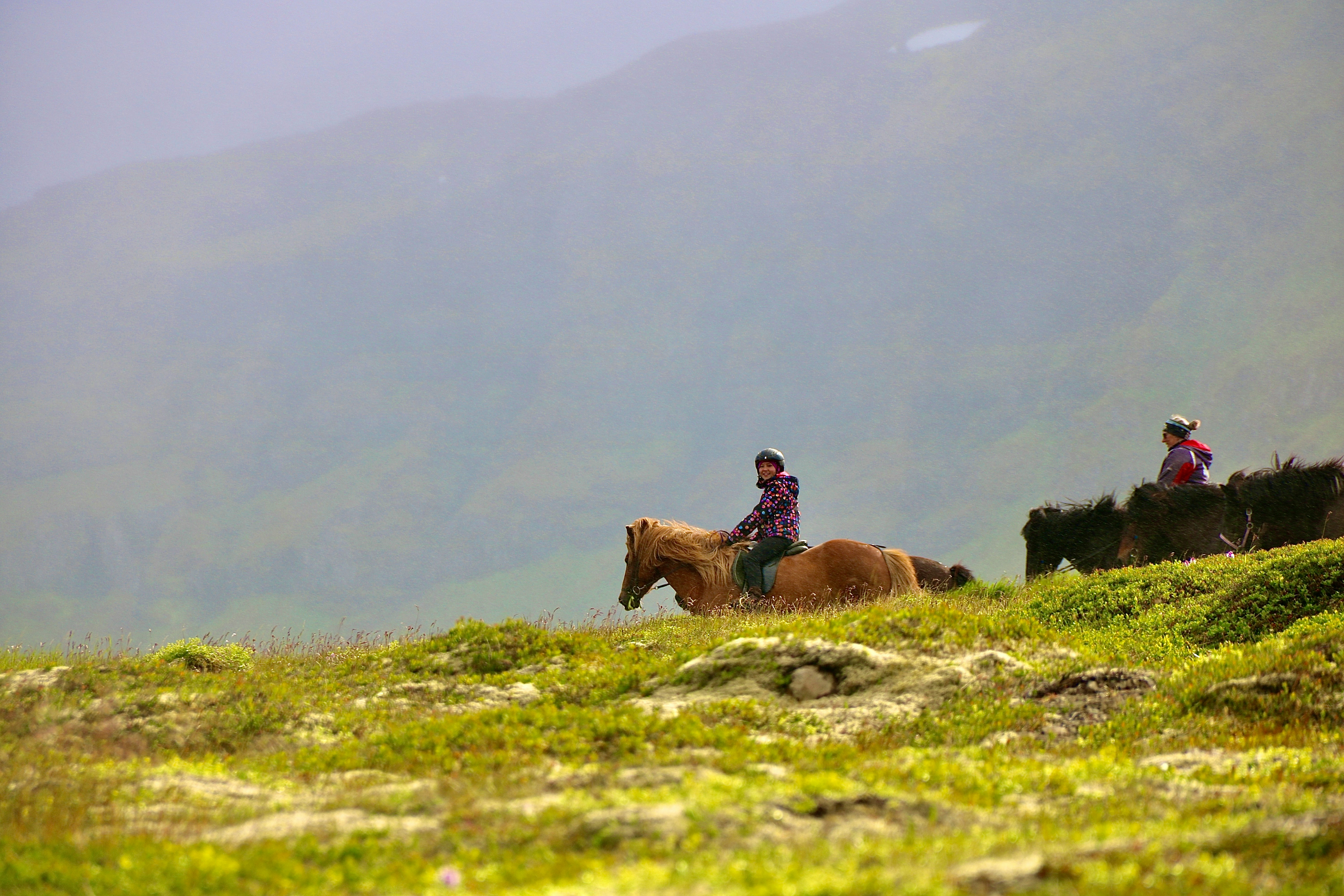
Outdoor activities take place across this same environment:
Horseback riding is usually arranged through local farms and follows open terrain
Walking and hiking are less structured, with fewer marked trails than in major tourist areas
Surfing is possible at Thorli Beach when conditions allow, depending on swell and weather
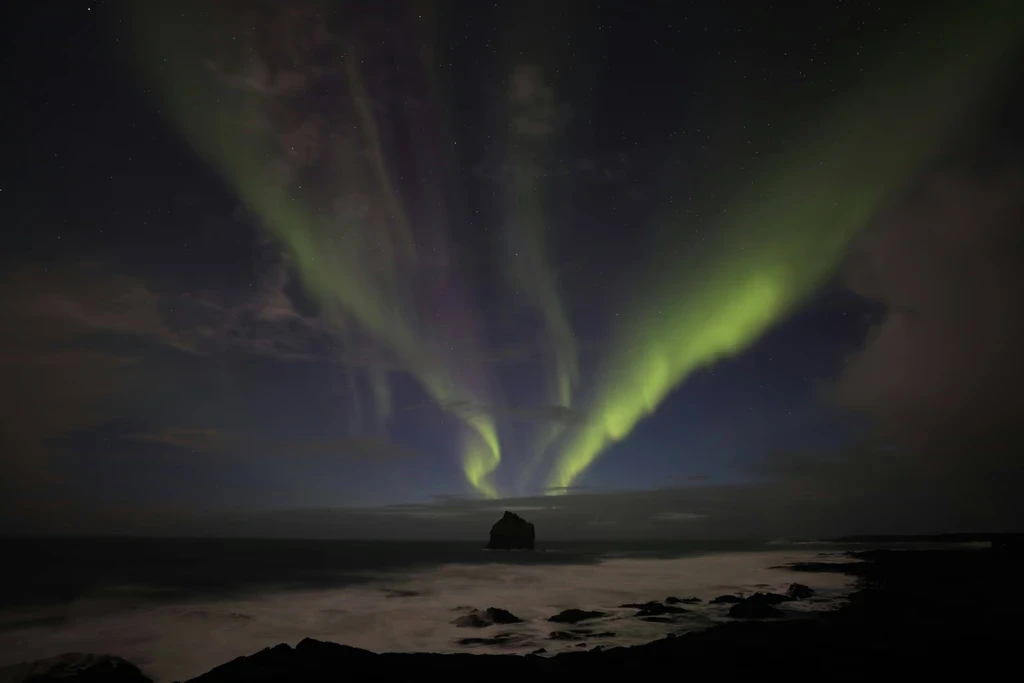
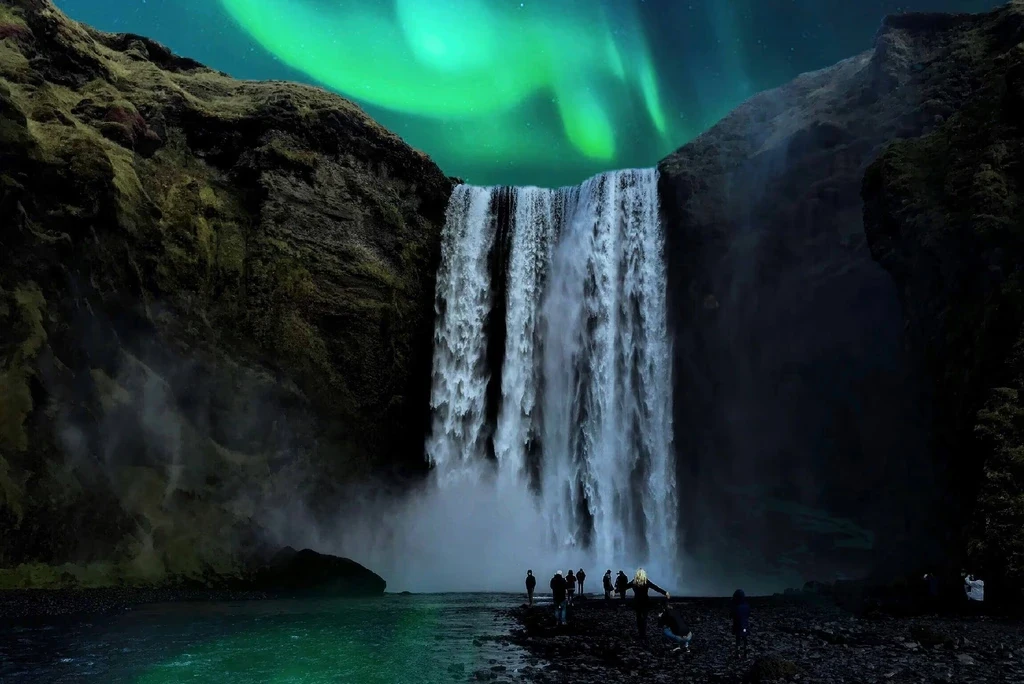
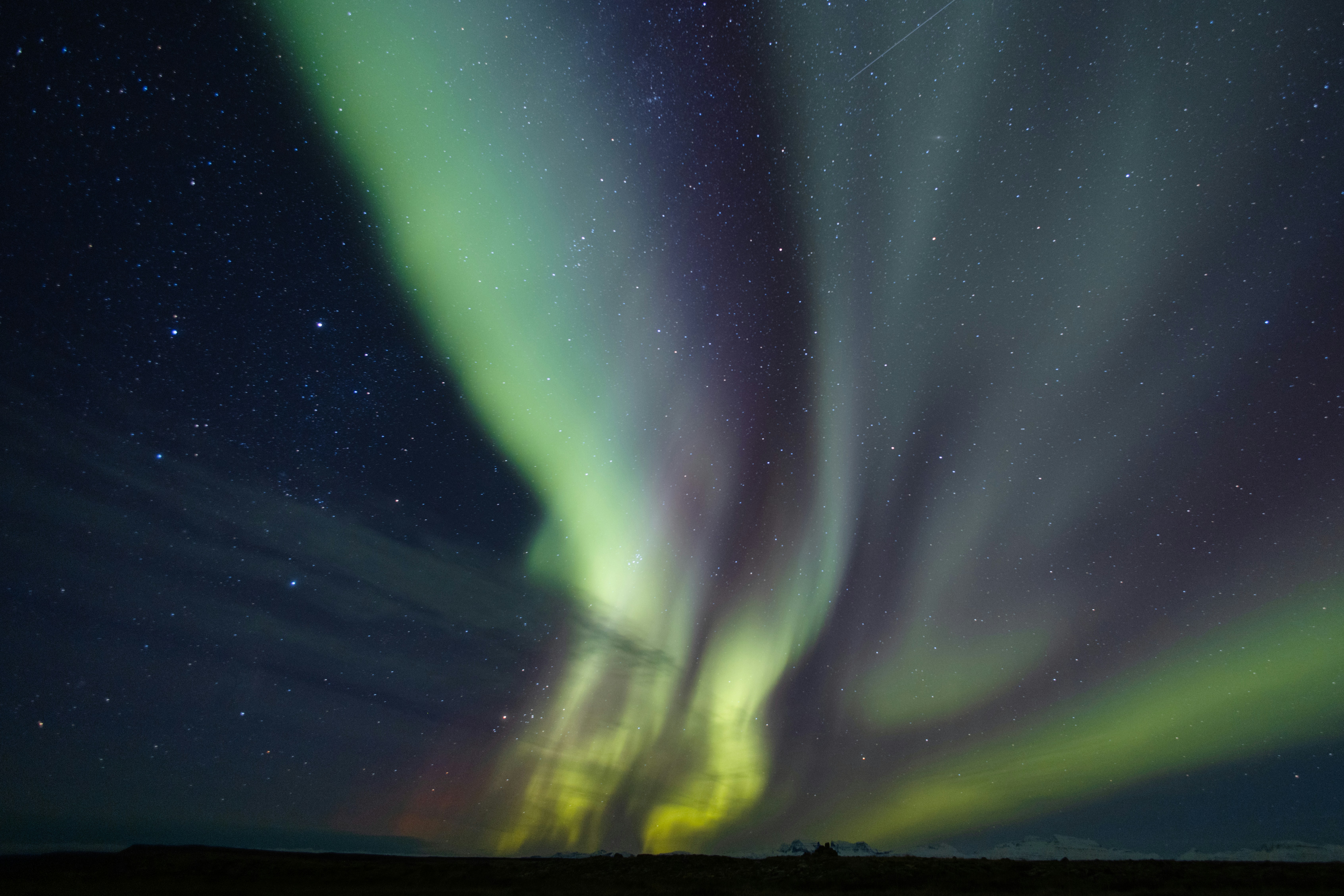
Northern Lights viewing is common in winter due to low light pollution, especially outside the town
For travelers, the landscape is never-ending. You move through it rather than between it, and that’s what shapes the experience of Ölfus.
Seasonal Experiences in Sveitarfélagið Ölfus: Summer vs Winter
Life in Ölfus shifts noticeably with the seasons. This affects how the area feels and how easy it is to move through.
In summer, the region feels more open and flexible. Longer days make it easier to plan loosely, and moving between the coast and inland areas takes less effort. Generally, it offers:
Long daylight hours, often extending late into the evening
Easier travel conditions and more movement through the region
Clear views of the coastline and the surrounding terrain
Winter brings a slower pace. Time outdoors is more limited, and conditions can affect how far you go in a day. The overall atmosphere is quieter, especially outside the town center. You can expect:
Shorter days and darker skies
Quieter surroundings with fewer visitors
Opportunities to see the Northern Lights in low-light conditions
Spring and autumn fall in between. Conditions can be less predictable, but these seasons often bring far fewer crowds and a more relaxed pace.
In short, the “best” time to visit Ölfus depends on your travel style and interests. Summer makes it easier to move around and see more in a day. On the other hand, winter offers a quieter experience shaped by light, weather, and slower routines.
Experience Life in Ölfus as a Traveler
Sveitarfélagið Ölfus brings together what defines much of Iceland. It offers coastal views, open landscapes, and small-town life, without the crowds found in more visited areas.
Rather than moving quickly between well-known sites, staying in Ölfus allows for slow travel. You get to experience raw nature right next to the small communities that keep the region alive and thriving.
Ölfus also works well as a base for exploring South Iceland, but its value goes beyond convenience. It provides space, physically and mentally, to step back from busier routes and experience a quieter side of the country. For travelers looking for a calmer, well-located base along the South Coast, Ölfus offers a practical and less crowded alternative.
Hopefully, this Sveitarfélagið Ölfus travel guide has given you a clearer understanding of the region. If you’re planning your South Iceland itinerary, check out our guide to the top things to do in Ölfus.
FAQs
Where is Sveitarfélagið Ölfus located?
Sveitarfélagið Ölfus is located in southwest Iceland, just southeast of Reykjavík. It sits along the route to the South Coast and serves as a transition between the capital and southern destinations.
Is Ölfus a good place to stay when visiting South Iceland?
Yes, Ölfus is a practical and quieter base for exploring South Iceland. It offers easy road access while providing a more local and less crowded environment.
How do you get to Ölfus from Reykjavík?
Ölfus is about a 40–50 minute drive from Reykjavík. It sits just off Route 1 (the Ring Road), making it easy to reach by car. Strætó bus routes 51 and 52 also serve the area regularly.
When is the best time to visit Ölfus?
Ölfus can be visited year-round. Summer offers long days and easier travel, while winter provides quieter surroundings and the chance to see the Northern Lights.
Is a car necessary to explore Ölfus?
Yes, having a car is the most convenient way to explore Ölfus. Public transportation options are limited, especially during the off-season, and driving allows greater flexibility.
blogs