" transform="translate(1.334 2)" width="13.333314731408331px"/><path d="M 0 2.667 L 0 0" fill="transparent" height="2.666640000000001px" id="nlKB6m7XS" stroke-dasharray="" stroke-linecap="round" stroke-linejoin="round" stroke-width="1" stroke="rgb(255, 255, 255)" transform="translate(8 8.667)" width="1px"/><path d="M 0.167 0.167 L 0.25 0.167 M 0.333 0.167 C 0.333 0.075 0.259 0 0.167 0 C 0.075 0 0 0.075 0 0.167 C 0 0.259 0.075 0.333 0.167 0.333 C 0.259 0.333 0.333 0.259 0.333 0.167 Z" fill="transparent" height="1px" id="G0jsljuaP" stroke-dasharray="" stroke-linecap="round" stroke-linejoin="round" stroke-width="1" stroke="rgb(255, 255, 255)" transform="translate(7.834 6)" width="1px"/></svg>)
" transform="translate(4 4)" width="8px"/></svg>)
Discover Ölfus: What to See, Do & Explore

Ölfus is a coastal region and a convenient hub located along Iceland’s South Coast. From black sand beaches to geothermal areas and coastal cliffs, it’s a place where nature feels close and unfiltered.
For travelers planning a trip to South Iceland, Ölfus is worth adding to your itinerary. Whether you're searching for things to do in Ölfus or a calm base in Icelandic nature, this region offers both.
Where is Ölfus in Iceland?
Sveitarfélagið Ölfus, or simply Ölfus, is a municipality in South Iceland, located along the southern coastline between Reykjavík and Selfoss. It sits just off Route 1 (the Ring Road), making it easy to reach by car or public transport (Strætó bus 51). It also makes a convenient stop or base for exploring the South Coast.
The region is bordered by the Ölfusá river to the east and the Hellisheiði plateau to the west. This location gives Ölfus its mix of volcanic landscapes, coastal views, and geothermal activity.
Ölfus has a population of just over 2,000 people and includes several small communities, including:
Þorlákshöfn: The main coastal town, known for its fishing industry, harbor, and ferry connections to the Westman Islands.
Árbæjarhverfi: A quiet residential area with a local feel, set slightly inland along the Ölfusá river.
Kotströnd: A small community along Route 1, home to Kotstrandarkirkja.
Although Hveragerði is a municipality in its own right, it’s geographically located within the Ölfus area. This geothermal town, often called the “hot spring capital” of Iceland, is known for greenhouses and steaming landscapes.
Fun fact: The area is also associated with Icelandic Glacial bottled water, sourced from naturally filtered Ölfus Spring water.
Top Things to See in Ölfus, Iceland
Ölfus is home to a mix of volcanic landscapes, coastal scenery, and quiet natural landmarks. These spots highlight the region’s diverse landscapes and are worth exploring at a slower pace.
1. Lava caves & volcanic landscapes
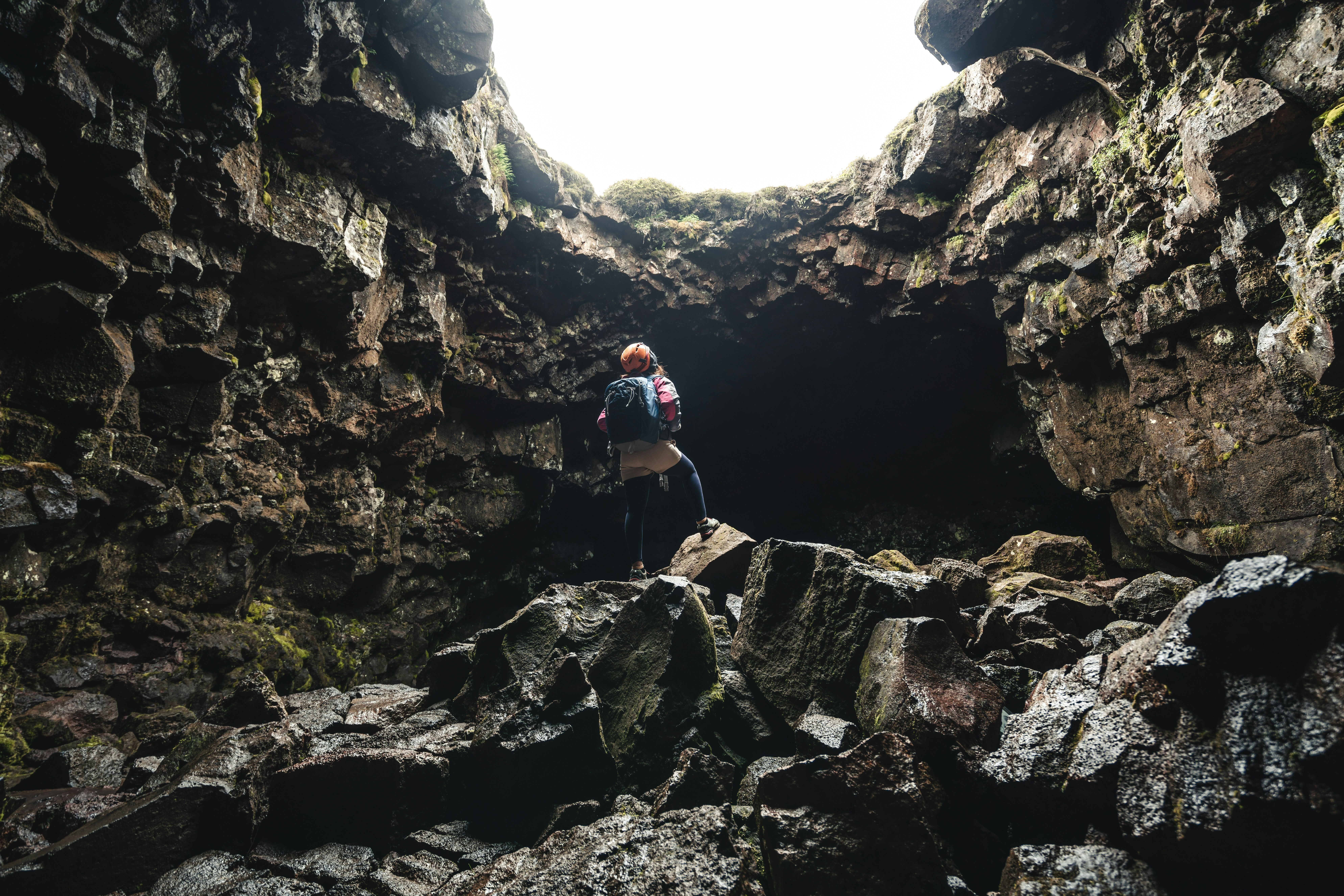
The region sits on a foundation shaped by volcanic activity. Icelandic lava fields stretch across the land, creating rugged terrain that feels untouched. One of the highlights is the Raufarhólshellir Lava Tunnel, where you can walk through a cave formed by flowing magma.
Another notable feature is the Leitarhraun Lava Field, located northwest of Þorlákshöfn. Formed around 5,000 years ago, it stretches across the landscape with dark, rugged terrain shaped by ancient eruptions. Within it lies Arnarker Cave, a 516-meter-long lava tube accessed by a spiral staircase, with possible ice formations in winter.
2. Quiet black sand beaches
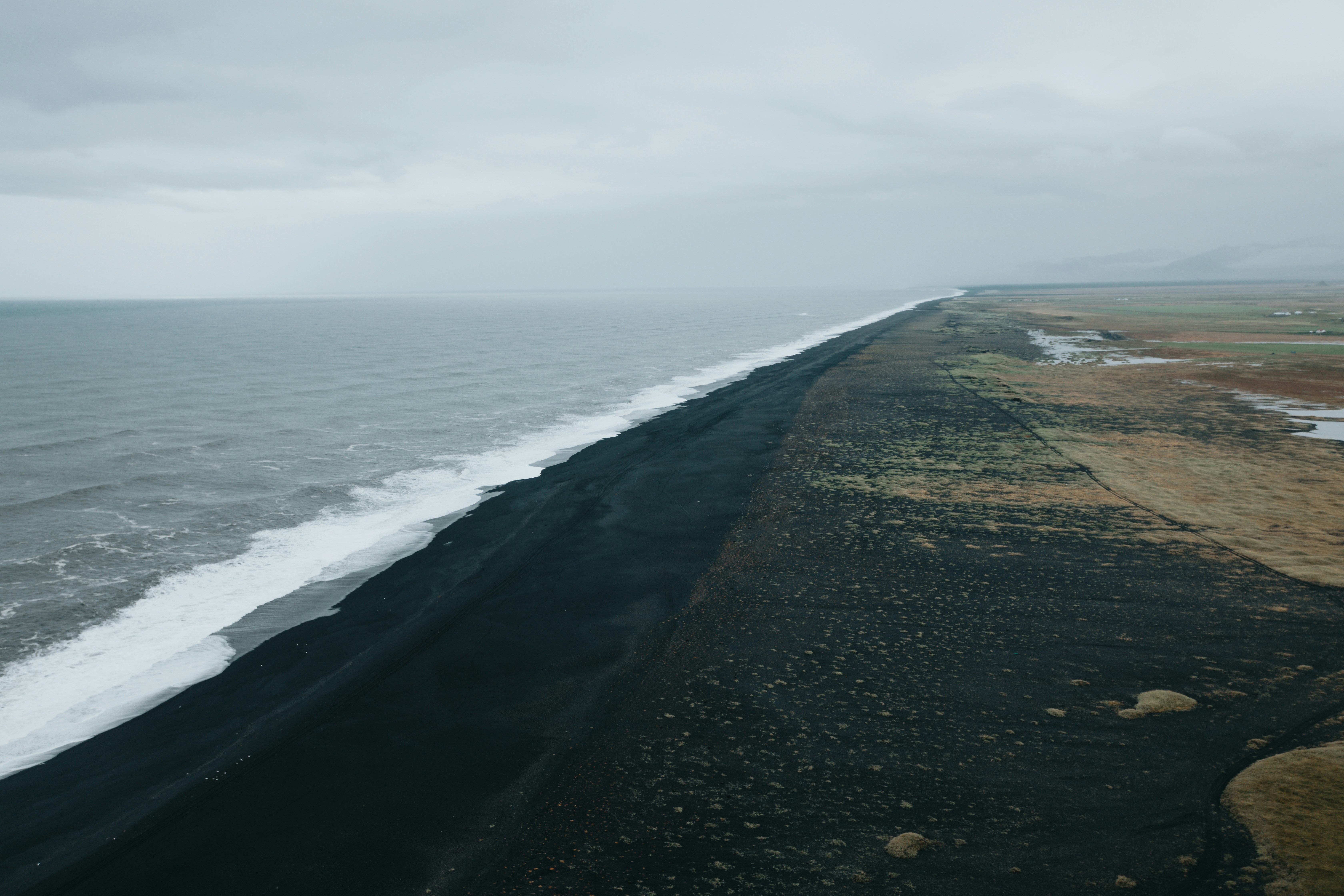
Ölfus features black sand beaches that are far less crowded than more famous spots like Reynisfjara. The coastline here feels open and calm, with wide views of the Atlantic Ocean. These beaches are ideal for long walks, photography, and simply taking in the coastal atmosphere.
Some of the notable beaches in the area include:
Þorlí Beach: A quiet stretch near Þorlákshöfn, also known for local surfing conditions and open coastal views.
Hafnarskeið Beach: Located along a narrow strip of land between the Ölfusá river and the ocean.
Viðisandur Beach: Set on a narrow strip between Hlíðarvatn lake and the ocean, creating a calm, scenic landscape with fewer visitors.
3. Geothermal areas & hot springs
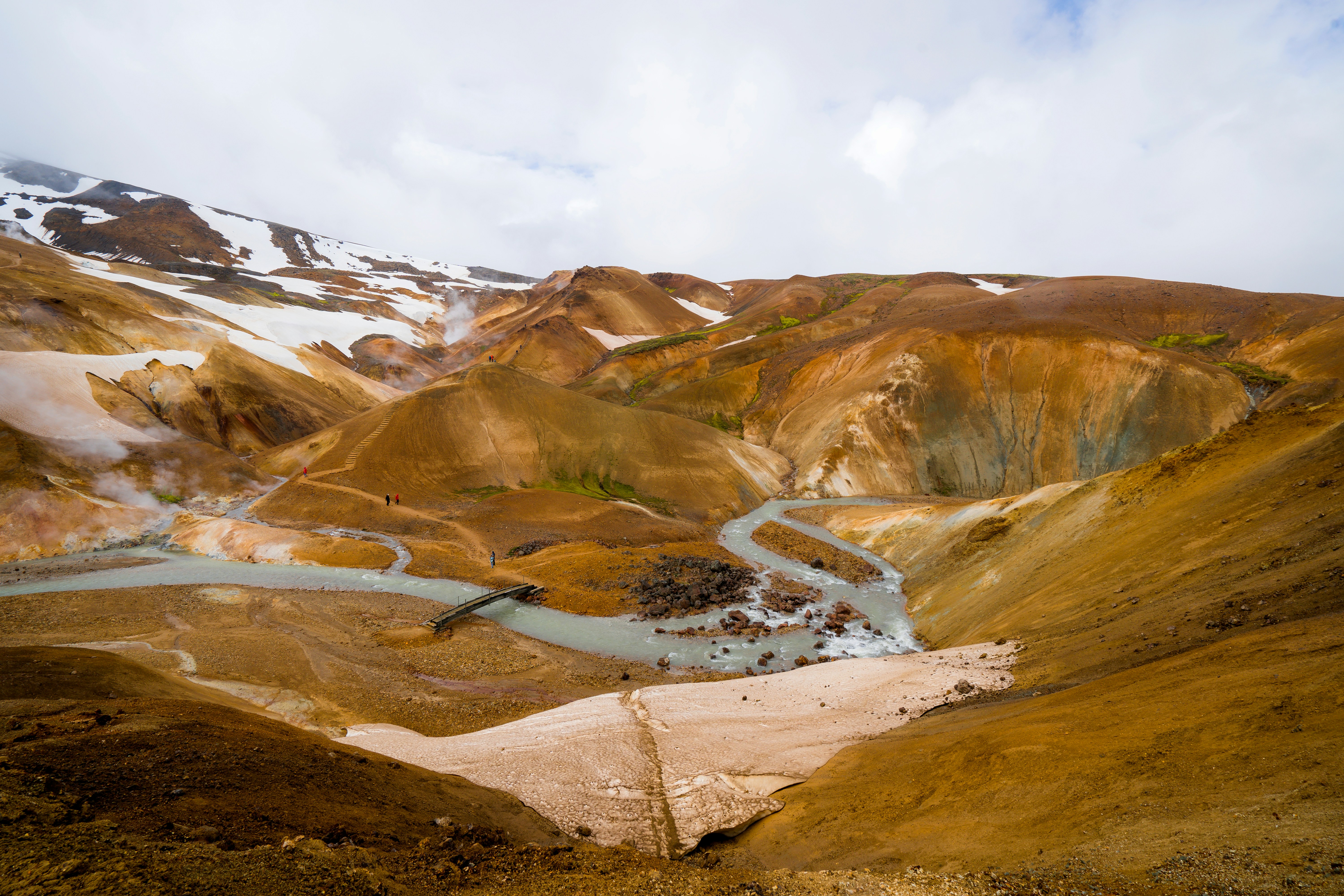
Geothermal activity is a defining feature of Ölfus and its surrounding areas. Steam rising from the ground, mineral-rich soil, and naturally heated water are common sights across the landscape.
Depending on your interests, here are some geothermal spots in Ölfus you can explore:
Hveradalir Geothermal Area: Accessible along the Ring Road, with steaming vents, colorful earth, and active geothermal features.
Reykjadalur Valley: Known for its warm river, where visitors can hike and bathe in naturally heated water.
Geothermal Park (Hveragarðurinn): Located in the town of Hveragerði, offering a closer look at geothermal activity in a developed setting.
Hverahlíð Hot Springs: A quieter option for those seeking a more secluded and relaxing geothermal experience.
Tip: If you're curious about how geothermal energy is used in Iceland, visit the Geothermal Exhibition for a quick, informative stop.
4. Scenic lighthouses & sea cliffs
Windswept cliffs, dark lava rock, and open views of the North Atlantic Ocean shape the coastline around Ölfus. This rugged shoreline creates a striking contrast between land and sea, especially during sunrise or sunset.
Along the coast, Hafnarnes Lighthouse and Selvogsviti Lighthouse stand as simple landmarks overlooking the water. Each of them offers wide, unobstructed views of the surrounding landscape. Near Þorlákshöfn, the lava sea cliffs reveal dramatic formations carved by volcanic activity. Meanwhile, the nearby lava arch near the Thor Fish Farm adds a distinct, scenic feature along the shore.
5. Cultural & historical sites
Ölfus is also home to small churches and local landmarks that reflect Iceland’s cultural heritage. While modest in scale, they provide insight into the region’s history and community life.
Key sites include:
Kögunarhóll Hill: A 61-meter-high (200 ft) palagonite hill, believed to be the burial site of the settler Ingólfur Arnarson's Viking ship.
Herdísarvík: A remote coastal area known for its history, old farmstead, and ties to Icelandic folklore.
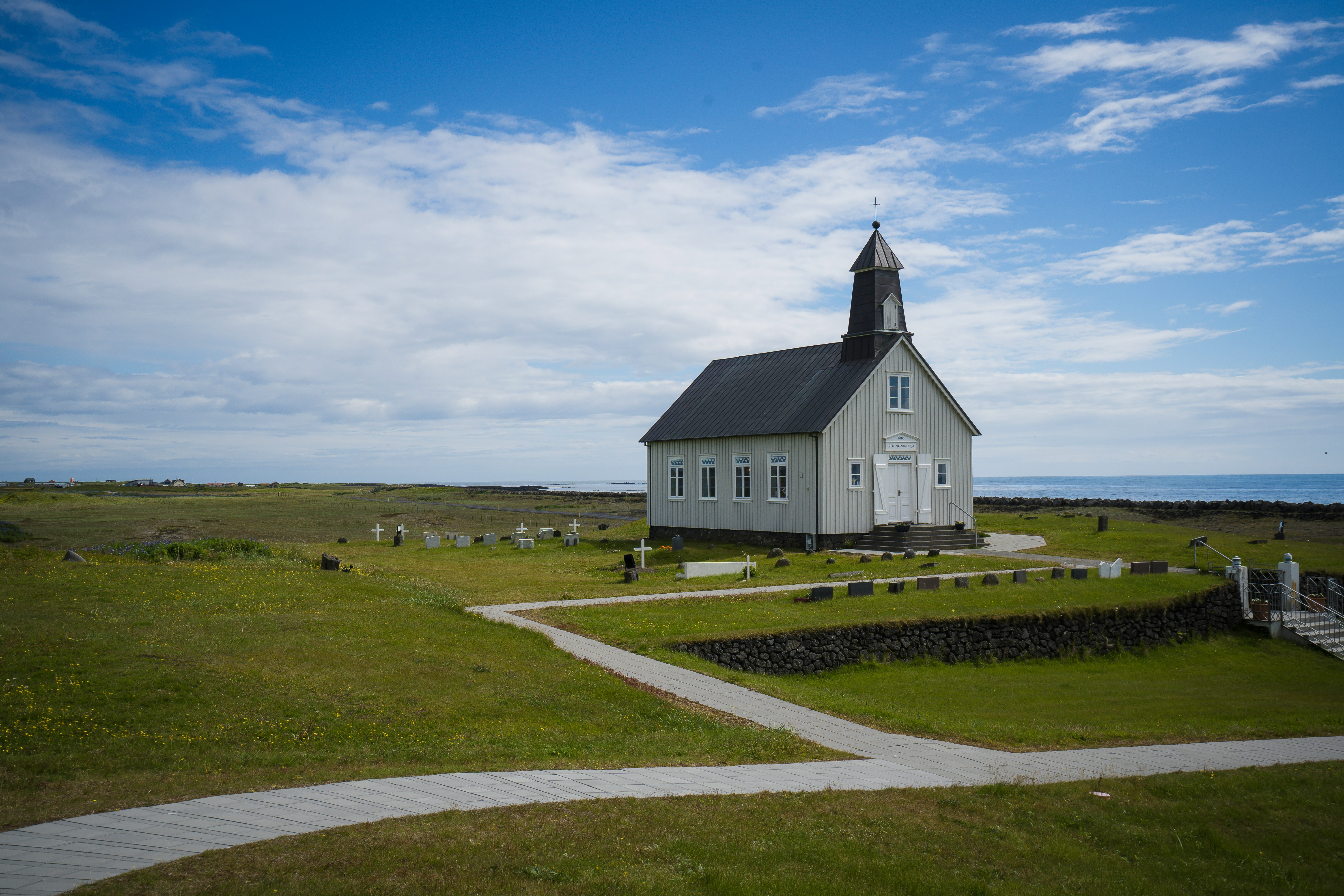
Strandarkirkja: One of Iceland’s most famous churches, built in 1888 (and later on renovated), long associated with seafarers and local legends.
Kotstrandarkirkja: A smaller, traditional church dating from 1909, known for its two old bells and retable painted by Örlygur Sigurðsson.
Best Things to Do in Ölfus, Iceland
Beyond sightseeing, Ölfus offers a range of activities that allow you to experience the landscape more directly. Whether you prefer outdoor adventure or quiet exploration, there are plenty of things to do in Ölfus.
1. Hiking and cycling
The open terrain and coastal paths make Ölfus a great place for hiking and cycling. Trails range from easy walks along the shore to longer routes through lava fields and hillsides.
Some of the popular hiking trails in Ölfus are:
Health trail in Þorlákshöfn: A 3.8 km (2.4 mi) trail with exercise stations that begins and ends at Sundlaug Þorlákshafnar.
Reykjadalur and Hengils area: One of the most popular hiking spots in the area, with about 125 km (77 mi) of trails of varying difficulty.
Selvogur við Þorlákshöfn: About 15 km (9 mi) scenic trail with views of the ocean and sea cliffs.
Alviðra by Sogið: A short 551 m (0.34 mi), somewhat steep trail up the Ingólfsfjall mountain.
2. Horseback riding & ATV riding
Riding Icelandic horses across black sand plains or grassy fields is a memorable way to explore the area. These horses are known for their smooth gait and calm nature, making them suitable for beginners and experienced riders alike.
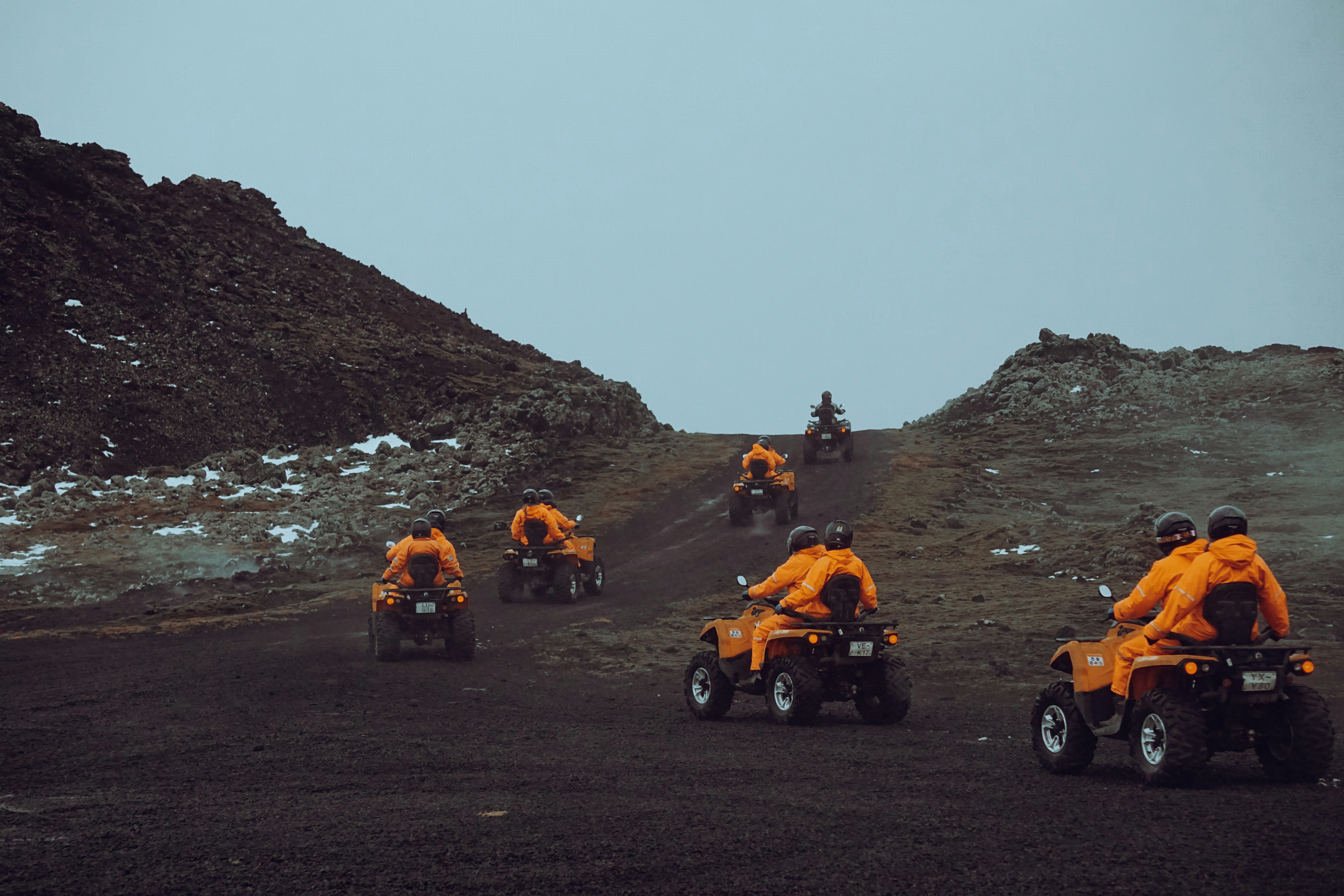
For a more adventurous experience, ATV tours take you across rugged landscapes and coastal terrain. It’s a fast-paced way to see more remote parts of the region.
3. Surfing
Þorlákshöfn is one of the best surfing spots in Iceland. The conditions can be challenging, with cold water and strong waves, but it draws surfers seeking a unique coastal experience. The waters in Thorli Beach, in particular, offer consistent swells for good surfing.
4. Birdwatching & seal spotting
The coastline and sea cliffs in Ölfus are home to a variety of seabirds. Depending on the season, you may see birds nesting along the cliffs or moving across the shoreline and open ocean.
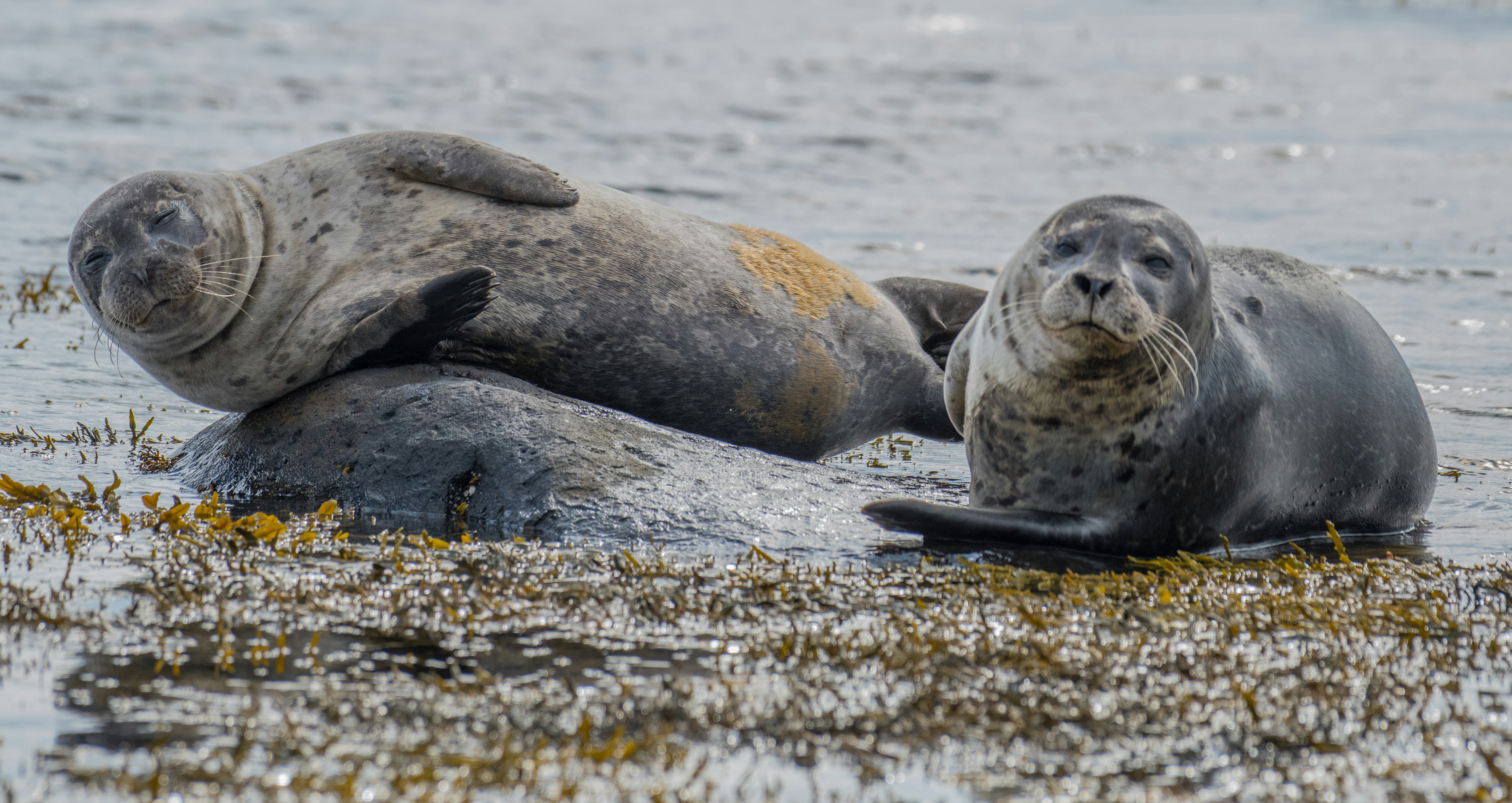
In some coastal areas, especially near Strandarkirkja, seals can also be spotted resting along the shore. You can watch them sunbathe on top of lava plains, but make sure to keep a safe, respectful distance.
5. Tasting local seafood
As a coastal region, Ölfus offers access to fresh, locally sourced seafood. Restaurants in Þorlákshöfn serve simple dishes that highlight the quality of Icelandic fish and seasonal ingredients. You’ll often find options like pan-fried cod, arctic char, and langoustine. Along with traditional dishes such as fish soup or plokkfiskur (a comforting fish stew with potatoes).
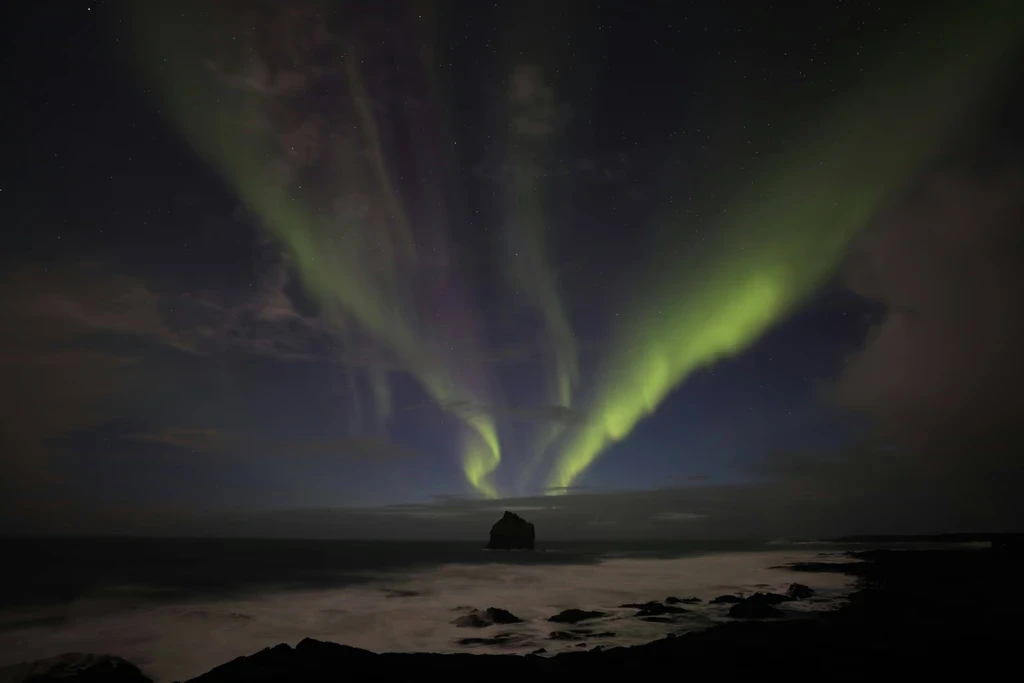
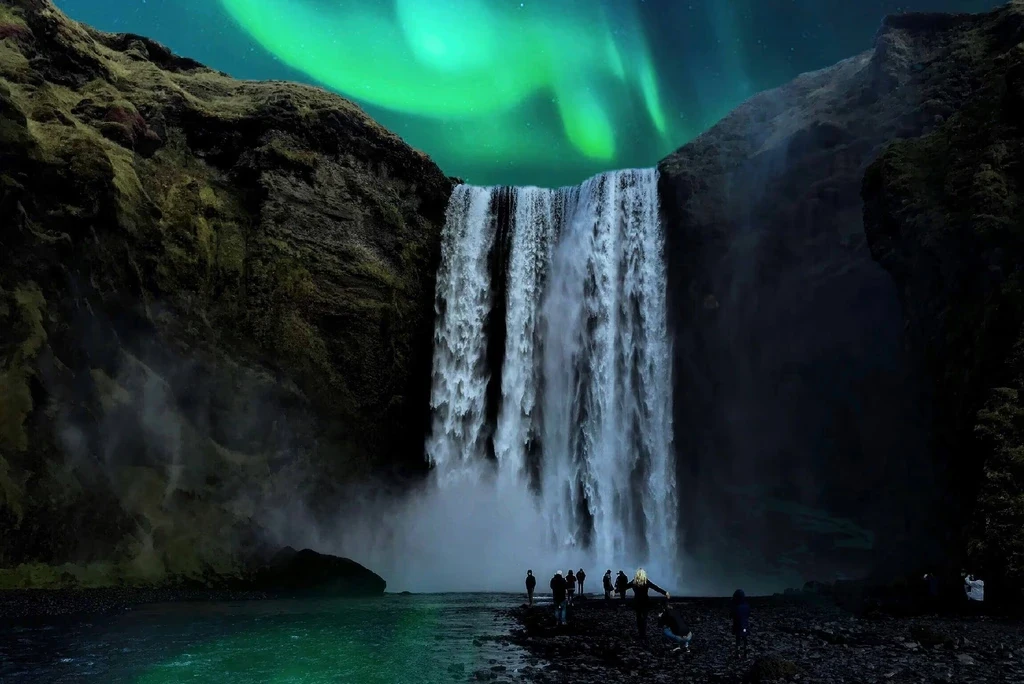
6. Northern Lights hunting
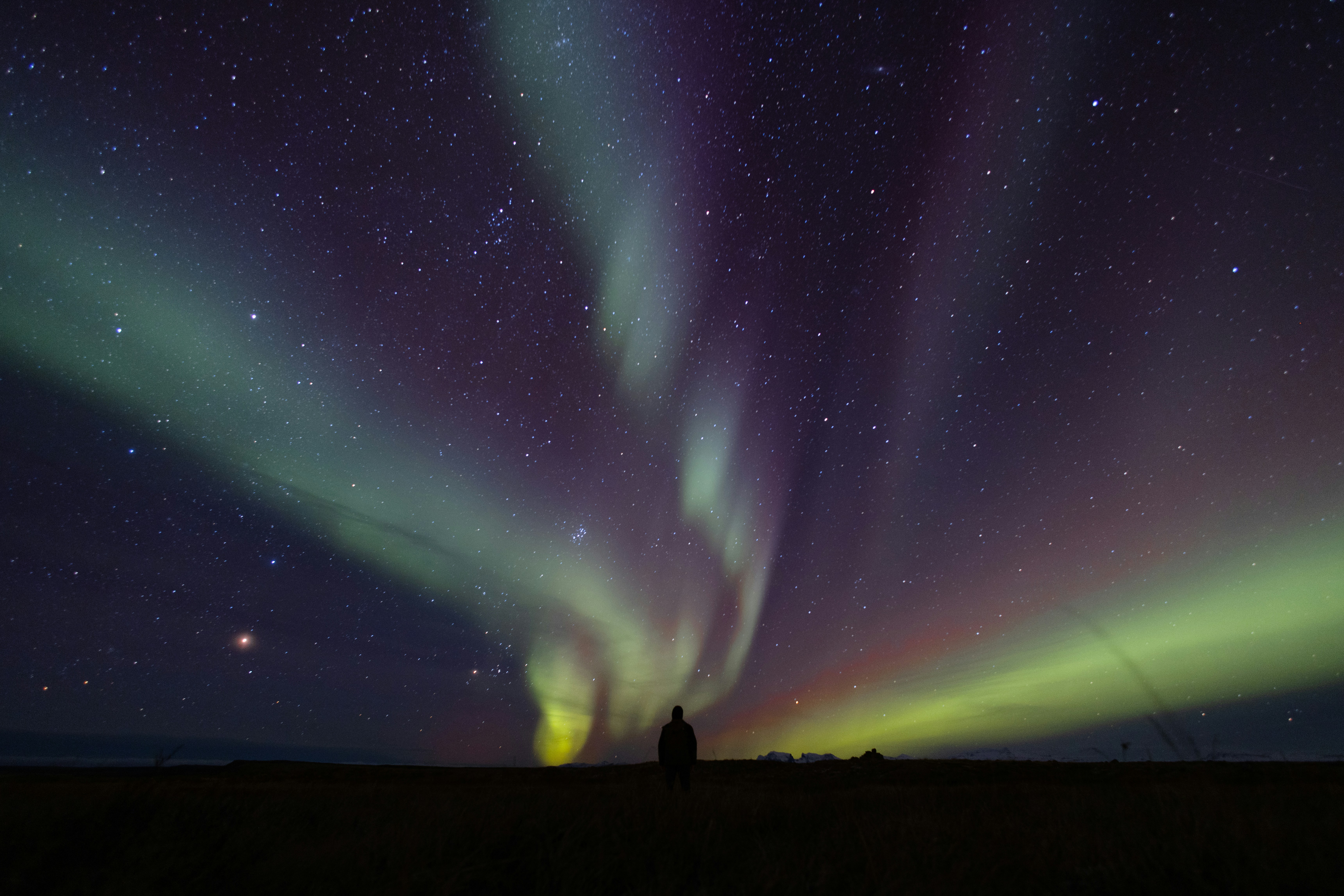
In winter, Ölfus is a good place to see the Northern Lights in Iceland. With minimal light pollution and open skies, the area offers clear viewing conditions on the right nights. In the northwestern part of the region, the Ölfusá Overlook not only offers a scenic viewpoint over the river. It also provides a wide, unobstructed sky, ideal for aurora watching.
Where to Stay in Ölfus: Experience the South Coast in Comfort
Choosing where to stay in Ölfus allows you to experience South Iceland at a slower pace. The region is well-suited for travelers looking for a peaceful, nature-inspired stay with easy access to nearby attractions.
Staying along Iceland’s South Coast puts you close to black sand beaches, volcanic landscapes, and wide ocean views. It also offers a quieter alternative to busier South Iceland destinations.
A stay at Black Sand Hotel reflects this balance between nature and comfort. This hotel offers direct access to the coastline and a calm environment designed for rest after a day of exploring.
Moreover, Black Sand Hotel features:
Ocean or river-view rooms with Scandinavian-inspired design
ÓMUR Restaurant and Bar, highlighting local flavors
Spa and wellness facilities for relaxation and recovery
The hotel also serves as a convenient base for exploring South Iceland, with many natural attractions within easy driving distance.
Experience the Untouched Beauty of Ölfus
Ölfus brings together some of Iceland’s most recognizable landscapes, from lava fields and hot springs to quiet black sand beaches. What sets it apart is its calm, open atmosphere, where you can explore without the usual crowds. Regardless of what kind of traveler you are, there are many things you can see and do in Ölfus. Aside from nature sightseeing and outdoor activities, the region is also rich in local history and culture.
Whether you're passing through or staying longer, Ölfus offers a more relaxed way to experience the South Coast of Iceland.
FAQs
What does Olfuss mean?
Ölfus refers to a municipality in South Iceland. It can also refer to the Ölfusá river or the Ölfus Spring, which is the source of Icelandic Glacial bottled water.
What is Ölfus known for?
Ölfus is known for its coastal scenery, lava fields, geothermal activity, and quieter black sand beaches. It’s also recognized for its peaceful atmosphere compared to more popular South Iceland destinations.
What is the legendary Ölfus Spring in Iceland?
The Ölfus Spring formed over 5,000 years ago after a volcanic eruption. It’s naturally replenished by filtered rainfall and snowmelt and is the source of Icelandic Glacial bottled water.
Is Ölfus a volcano?
No, Ölfus itself isn’t a volcano. However, it lies within Iceland’s volcanically active region, surrounded by lava fields and geological features shaped by past eruptions.
How far is Ölfus from Reykjavík?
Ölfus is about 45–60 minutes from Reykjavík by car, depending on your exact destination within the region.
Can you see the Northern Lights in Ölfus?
Yes, Ölfus is a good place to see the Northern Lights during winter. Its low light pollution and open landscapes provide favorable viewing conditions.
Are there black sand beaches in Ölfus?
Yes, Ölfus has several black sand beaches along its coastline, with Thorli Beach the most popular, especially for surfers. These beaches are typically quieter than more famous locations, making them ideal for a peaceful visit.
blogs